Monday, February 20, 2017

Preparation for a Church Passover

Passover is a festival that is mentioned throughout the entire Bible, yet most churches only keep the Lord's Supper as the remnant of this incredibly rich holiday. Most Christians have never seen a Passover demonstration, which adds to the knowledge of the Bible and Lord's Supper, adding depth to the faith. Far fewer Christians have experienced an actual Passover dinner. These facts show a huge void in a complete understanding of both the Old Testament Passover Seder and the New Testament celebration called the Lord’s Supper.
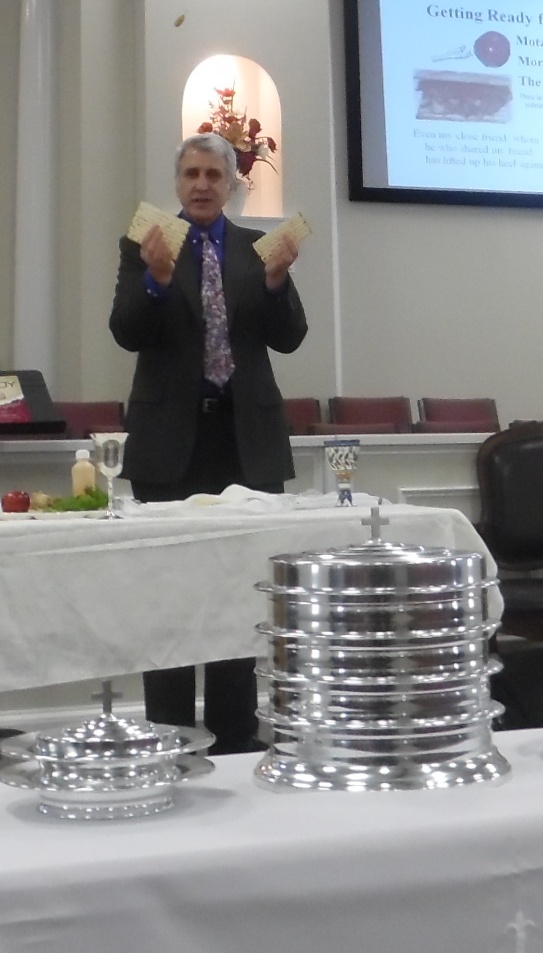
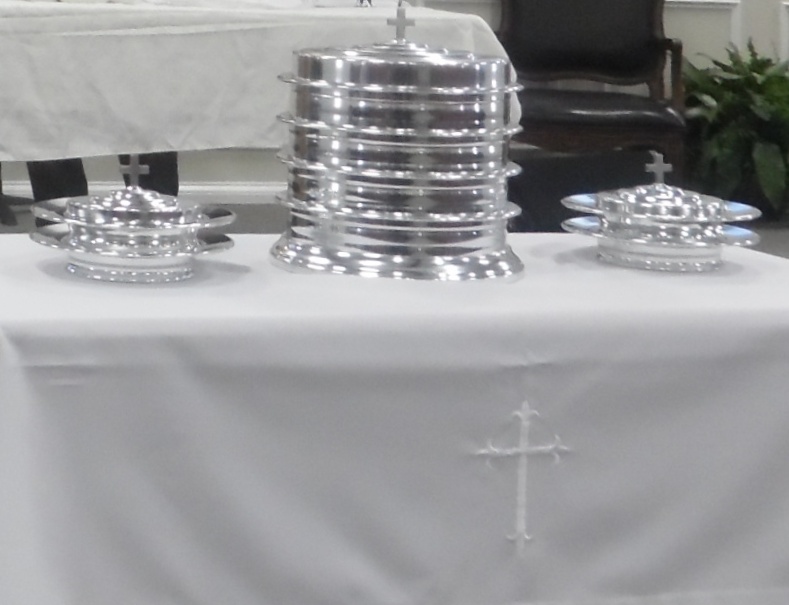
Communion is a regular part of church worship
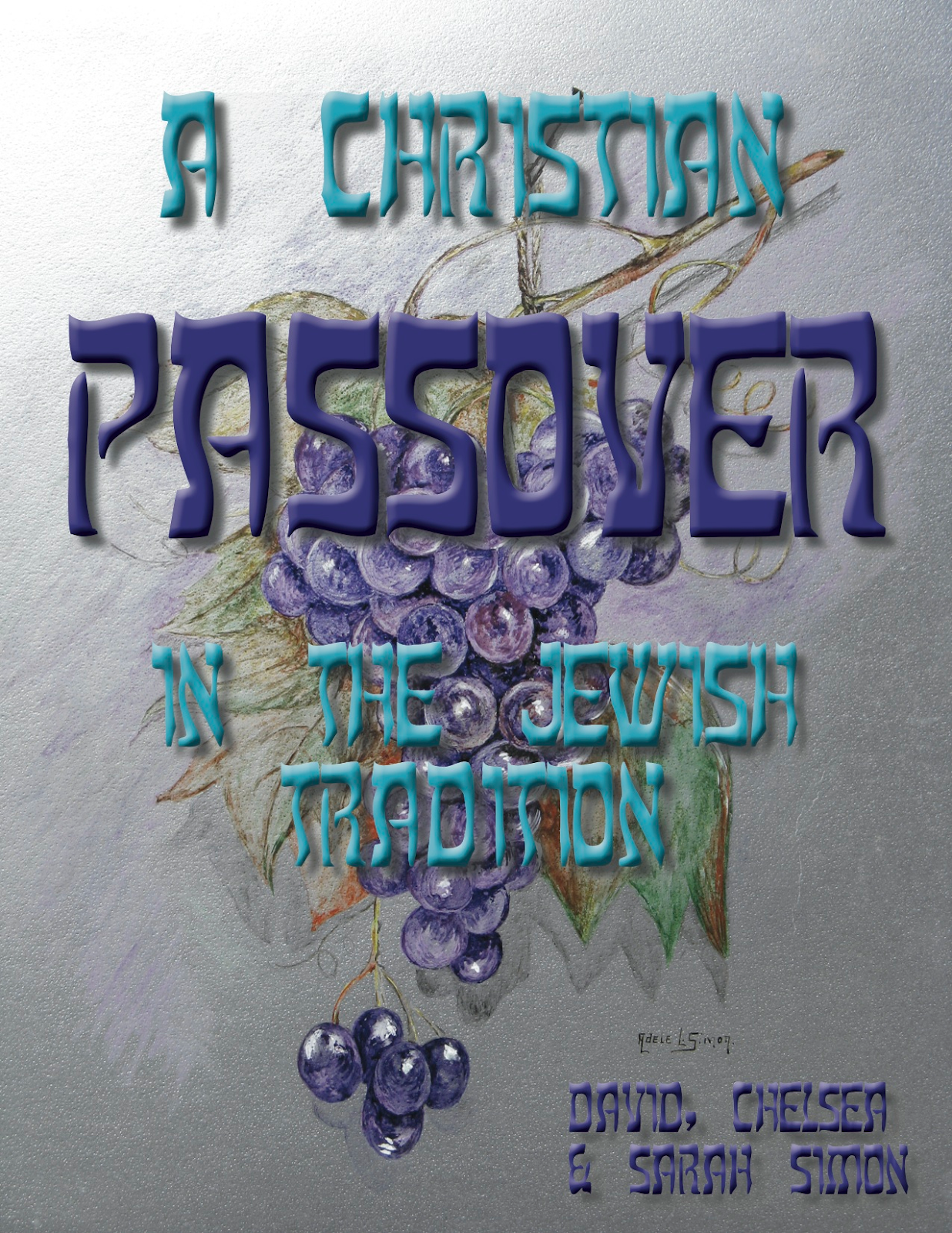
The Passover is an enduring event. People have gathered around the dinner table for over 3.500 years. This one event has been credited with building a stronger Judaism and in some cases, keeping the faith alive. I have written a guide to help churches organize Passover Seders entitled A Christian Passover in the Jewish Tradition
This book shares leader instructions and insights to Passover
Churches should attempt at least once every 3-4 years to hold a Passover event. Such an event  helps people better understand the Old Testament and the background of the Communion. A church supper held around the dinner table in order to teach faith could also provide a great model for Christian homes.
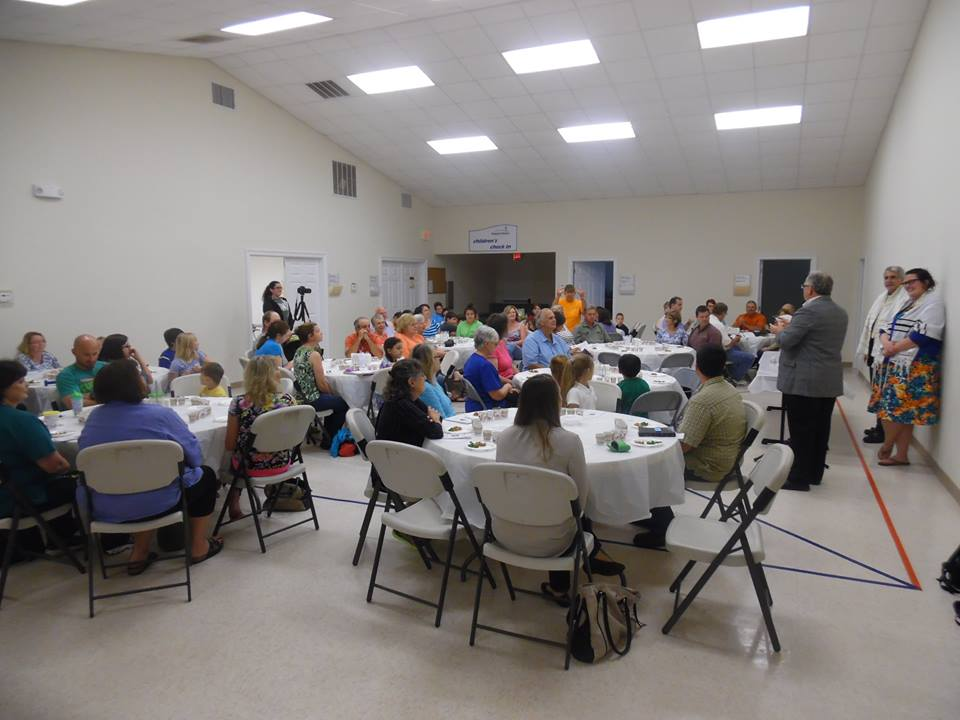
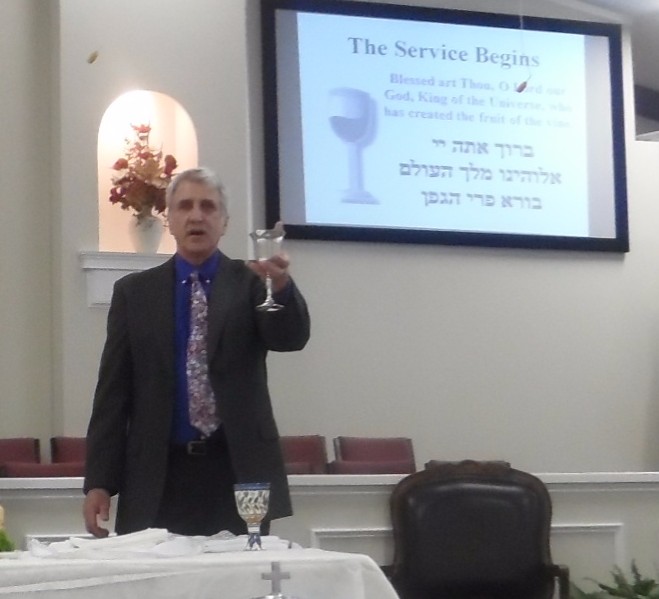
A special speaker at a church supper celebrating Passover
The Passover celebration could be shared as a presentation in worship service (least memorable), a reenactment with communion and other elements in a worship service (more participatory), or a meal where people tell the story and eat together (most memorable and participatory). The meal can be held as a whole church event, or in larger churches the supper could be held by individual or combined small groups. When people sit down together as families around the Passover meal they create memories, build a stronger understanding of the Bible, and grow closer in their relationships with God.
Reenacting Jesus' last Passover including Communion
The first step in holding a Passover event is to place it on the calendar. The second step is to decide what kind of event it will be: worship only, reenactment, or dinner. The third step is to designate a leader for the event. Will the Pastor or a Church member lead the Seder, or will the church invite an outside speaker?
Children should be part of a Church Passover event
At this point, the church needs to decide who will come to the Passover Seder. Will only church members be invited to attend (not recommended), or will the event be opened to the larger community? I encourage people to hold an open event, and encourage regular church attenders to invite guests to the special supper. It should be publicized in the church for at least five weeks. Publicity should include bulletin, newsletter, small group announcements, postcards, e-mails (both surface mail and electronic media are important), facebook, twitter, instagram, and phone calls. People should be invited to share with others through social media. A public service article should also be placed in newspapers and radio stations in the area. Let the world know about this special event. Jesus said to “Go into all the world,” and a special event like Passover is one way churches can obey this commandment.
A menu needs to be set for the meal. The meal could be covered dish (no leavened bread), cooked at the church or catered. If the dinner is held by a small group the dinner could be held in a home or a private room in a restaurant. The meal should be well planned as this is similar to a Thanksgiving event with quality and quantity planned for the evening. China plates, cloth napkins and real silver are not inappropriate.
Special foods of the Passover
Special foods are needed for the supper. These include wine (grape juice), bitter herbs (horseradish), Charoset (an apple and nuts mixture or applesauce with cinnamon), greens (parsley), salt water, Matzoh (unleavened bread), the shankbone of a lamb and an egg (or eggs). A good Passover Haggadah such as A Christian Passover in the Jewish Tradition contain instructions for setting up the table. An instruction page I share with churches is shown below.
Instructions for setting up for a Church Passover
The room should be set up with two places in view of each person. One place is for the leader, the second place is for “Elijah” who will “make a visit” as described in the Passover Haggadah. Places should be set up for each person expected for the meal. At each place include a spoon, napkin, a small cup with wine, and small plate with Horseradish, apple mixture, and greens (these can also be made available for each place or served from the head table according to size of the group). Salt water should be available to each person for dipping.  A plan should be made to refill the wine cups and for each person to be able to wash their hands at least twice during the service.
Creativity and beauty in Communion and Passover
It is good to involve people in the Passover Seder presentation or dinner. People participate in meals by eating. As a preliminary to the meal, and part of the worship service, people taste different foods as meanings are explained.
Books to help lead a Church Passover
In Jewish services people are encouraged to participate through responsive readings. I have included responsive readings on my 99¢  participant books available on Kindle (these books do not contain all the leader material). I always have people read the Hallel Psalms responsively. I also include people by assigning individuals to read parts of the four questions and four sons. In two of my presentations on the Passover story, participants are assigned parts and props so the story does not seem so long. All the parts and props must be assembled in preparation before the meal.
Sample Passover Bulletin (inside portion)

When I lead a Passover Seder in a church, I send a personalized program for churches to duplicate. The bulletin includes sections of responsive readings and also information which participants would want to know about the Passover. When I began leading Seders, I made booklets for each individual. I have since found that a legal sized piece of paper printed on both sides is adequate for what most people need. (If you would like me to lead a Passover Seder at your church, please contact me).

Wednesday, February 15, 2017

Eretz Yisrael

From the very first day of our trip to Israel (May 5-18, 2017) we will discover Israel is a land of contrasts. We will see the very new and the very old. Upon departure from Ben Gurion airport we will travel the modern road system into Tel-Aviv. Our first stop in Tel-Aviv is the Palmach Museum on the campus of Tel-Aviv University.
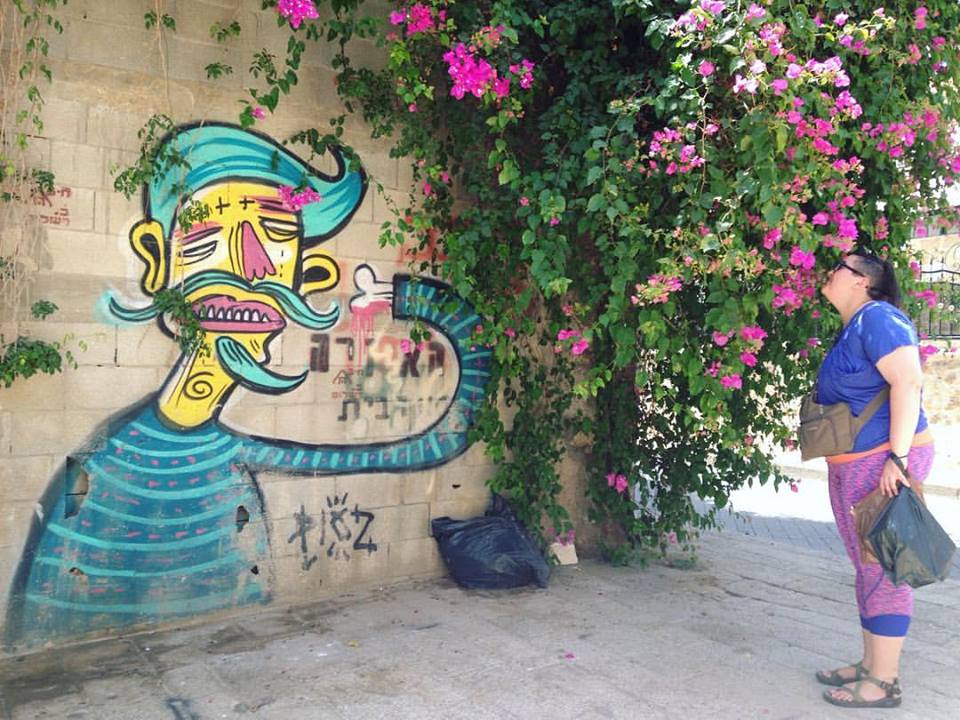
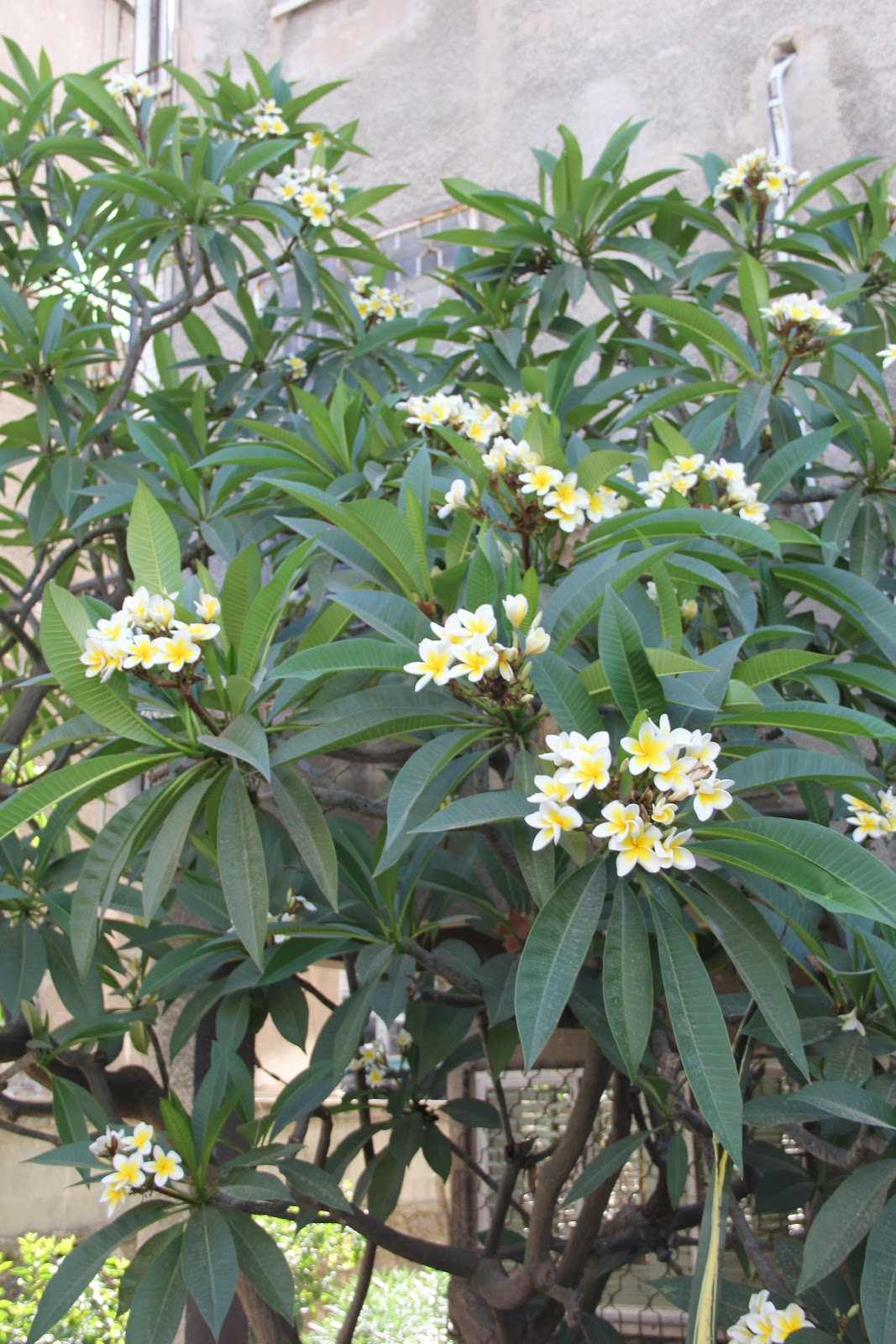
Along the way we will see the scenery of “Eretz Yisrael” (the land of Israel). Eretz Yisrael enjoys a semi-tropical climate which allows the people of the land to plant a variety of flowering trees and bushes.
While most of the land is arid, the Hebrew people work hard to create beauty wherever they can. The flowering trees and bushes seen in this blog are on the campus of Eretz Israel Museum which is on the campus of Tel-Aviv University. We will pass this location on our way to the Palmach Museum.
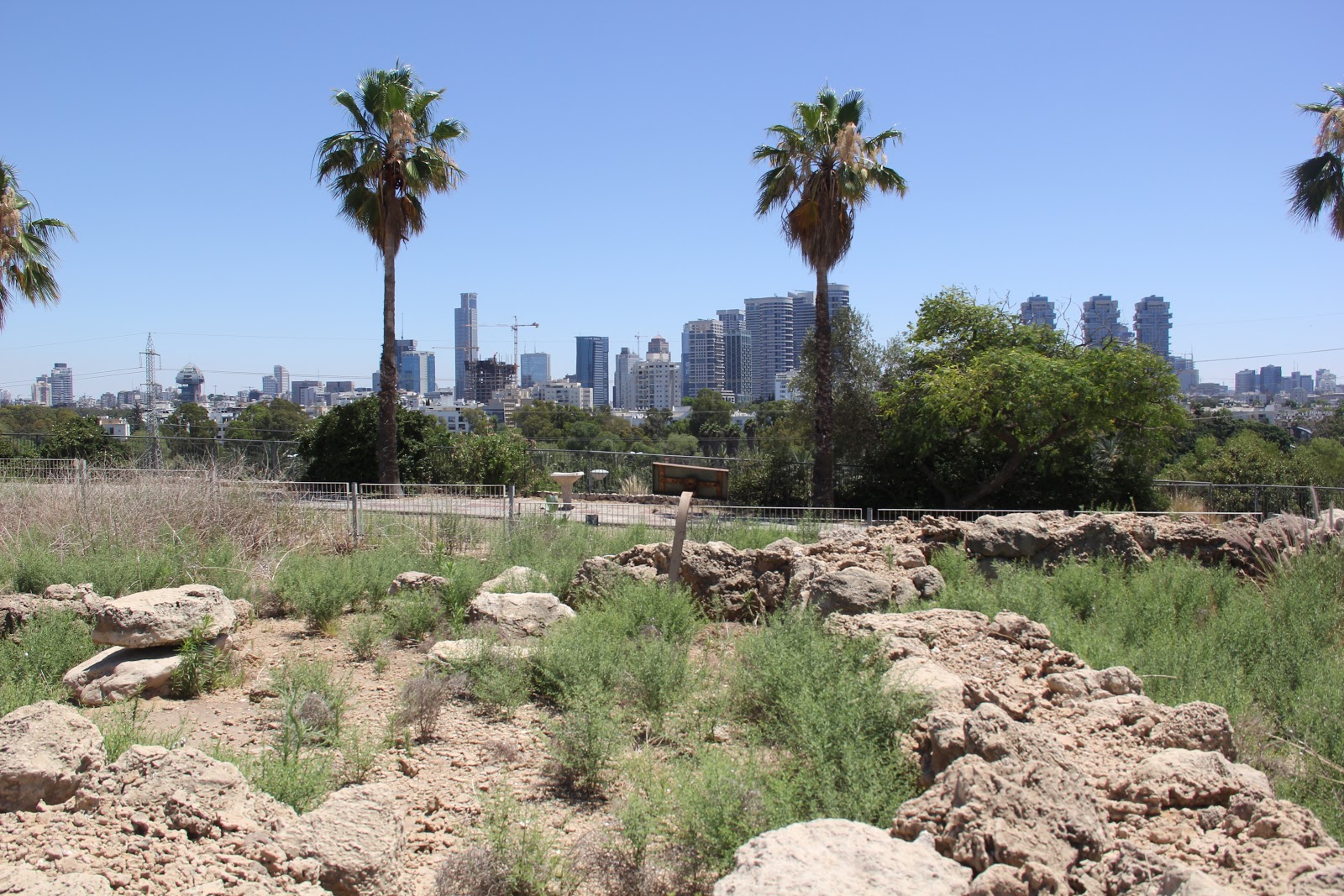
Contained at the corner of the Museum is what remains of an early archaeological dig, known as Tel Quasile. The original excavation promoted by Lady Hester Stanhope took place in 1948.
Tel Quasile is the remains of a port city located on the banks of the Yarkon River. The city was located a few miles away from the Mediterranean Sea in order to protect it from waves and from raiders who might attack the city.

Today the ruins contain mostly foundations, but there is signage that gives an explanation about the purposes the buildings held. Among the ruins there are various displays, as well as more recent buildings. One of the displays is an olive press where the visitor can see various methods used to draw oil from this valuable fruit.
The museum contains many displays and buildings that show the history of Eretz Yisrael. Displays show agricultural tools, as well as glass making and other crafts.
There is also a building with an exhibit that tells the history of how the Rothschild family of Europe supported farming within the Plain of Sharon. These enterprises drew settlers and gave rise to the modern nation of Israel.
We will discover at the Palmach Museum how the settlers who came to Eretz Yisrael in order to farm the land were forced to protect themselves against Palestinians who desired to eradicate the intruders.
Eretz Yisrael Museum is located in a very beautiful setting on the north side of Tel-Aviv.
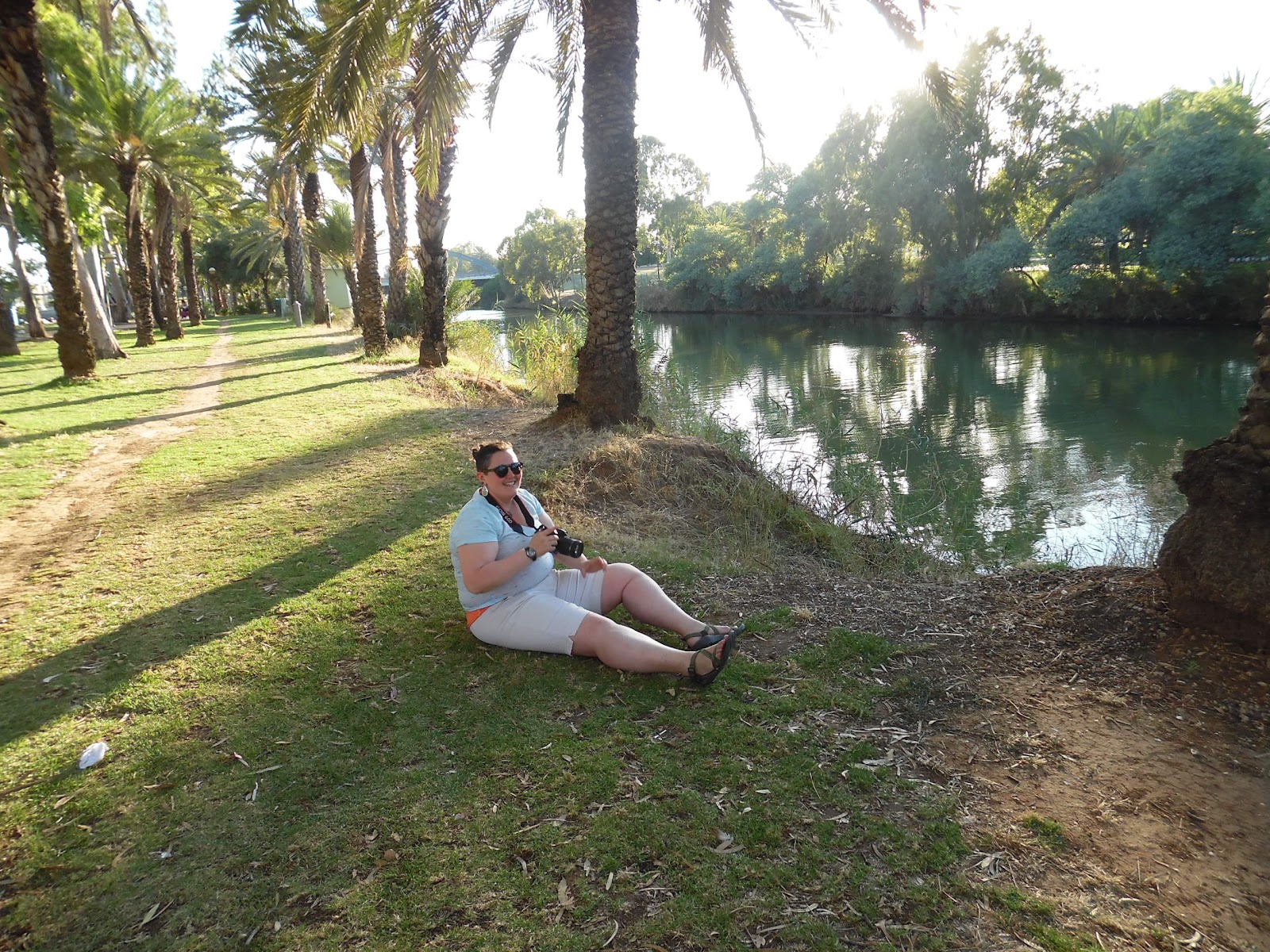
Just south of the University we will pass through Yarkon River Park on our way into Tel-Aviv. This park is called the Central Park of Tel-Aviv and contains many recreational fields, walking trails and a zoo.
We will find very beautiful sights as we travel the different regions of Eretz Yisrael. Yarkon River Park is but a taste of what lay ahead of us on this trip.

Friday, February 10, 2017

Preparation for a Passover Meal

Passover is a unique event which most churches have yet to discover. Communion, the Lord’s Supper and Eucharist originate from a section of the Passover celebration. The teaching of the Jewish people shared during the Passover can add great understanding to the meaning of the bread and the cup which Christians share regularly.
Most churches have never had a Passover Seder demonstrated for them, and therefore fear what this event might bring. The event is not designed to make people “more Old Testament,” convert Christians to Judaism, or to pull them away from their current church. The program is designed for people to have a better understanding of their own faith. The first step to preparation for a Passover Seder is to contact someone who can lead this for your church. If your church would like a Passover Dinner, click this link.
The desire to celebrate the Passover as a supper is worthy for a church because when Christians come together with one heart and mind in this expanded format of the Lord’s Supper they gain a larger picture of the event and grasp a fuller understanding of the meaning behind the bread and the cup. The story told during the Passover sets up a dialogue on how the freeing of the Jewish people from slavery and liberation from bondage to sin enable a believer to take their first steps in a journey with the Lord God.  Bringing the dream of a community dinner around the Passover observance is the first step in preparation for a church Passover meal.
The next steps get more practical, like what day should the event happen, who should lead the event and who should be invited to the Passover. For a large group the event needs to be calendared in advance and personnel enlisted for shopping, publicity, cooking and cleanup. A list should be made of the group selected for participation. This can be a family, a fellowship group, or the entire church. In the spirit of evangelism people from the community (probably people who are not Christians) should be invited to the event. Mailing lists, facebook posts, twitter feeds and e-mails with blogs and information should be planned and sent as scheduled. Personal invitations always build a larger and more complete participatory group.
For a church there are several ways to do a Passover presentation. For those who just want to get their toes wet, a speaker could be invited to give a presentation during the time of the sermon. The serving of the Lord’s Supper could be a part of this presentation. I personally think a great deal is lost when Passover is placed in the foreign environment of a church presentation with no personal involvement.
The original Passover was shared in the context of a meal. For us this meal was “no skimping” (except for bread) a full supper like a Thanksgiving dinner. A church or fellowship group must decide what type of meal they want and how it will be prepared. The two most common ways to prepare a meal are to organize a “covered dish” event or to enlist a cook for the meal. The Passover can also be held at a restaurant or as a catered event.
The two things I ask people to avoid during Passovers I lead are bread and pork products. To avoid bread or leavening is part of the teaching of the Passover. Tradition says the Jewish people left Egypt in such haste they did not have time to let their bread rise. Matzoh, an unleavened bread is served in place of our normal staple. The Jewish people replace traditional flour with Matzoh meal during the seven days of the festival. We know for a fact that Jesus would have done this.
One preparation for Passover which I all too often forget are the printed programs. During the home Seder a booklet called a Haggadah is given to each participant. These booklets are read during the meal and parts are given to different individuals. Participation adds to the festival and is part of the reason this celebration is much more effective around the dinner table than in an auditorium. I have published a participant's Haggadah available on Kindle for a very low cost.
I am a big believer that people can receive more benefit from activities by advance preparation. I have outlined in this blog post several areas to help people prepare for a Passover Seder. On February 20, I will detail some things which need to be on the table during a Passover celebration. These can be found in my book “A Christian Passover in the Jewish Tradition.” Most people who regularly lead Passover Seders will walk groups through practical preparation for a small group or church event.
The one area of preparation many people forget is in all probability the most important, spiritual preparation. The Jewish Rabbis of the first century gave great attention to preparation, I think because practical preparation for Passover leads to prayer which is the keystone of spiritual preparation. I will write more on spiritual preparation in a blog to be published February 24. I have published seven previous blogs to prepare for Passover. These are available for free  beginning with a March 8, 2015 blog (to view click here).

I can not emphasize enough the spiritual growth and understanding which comes through participation in a traditionally (or Messianic) observed Passover Seder. I will be glad to help you set one up, contact me for help or if you have questions.

Wednesday, February 8, 2017

Visiting Tel Aviv

Please take this as in invitation to join me on a 14 day trip to the Holy Land. To see the full agenda or to sign up, click the links. You will be rewarded through personal discoveries and experiences by going on this journey.
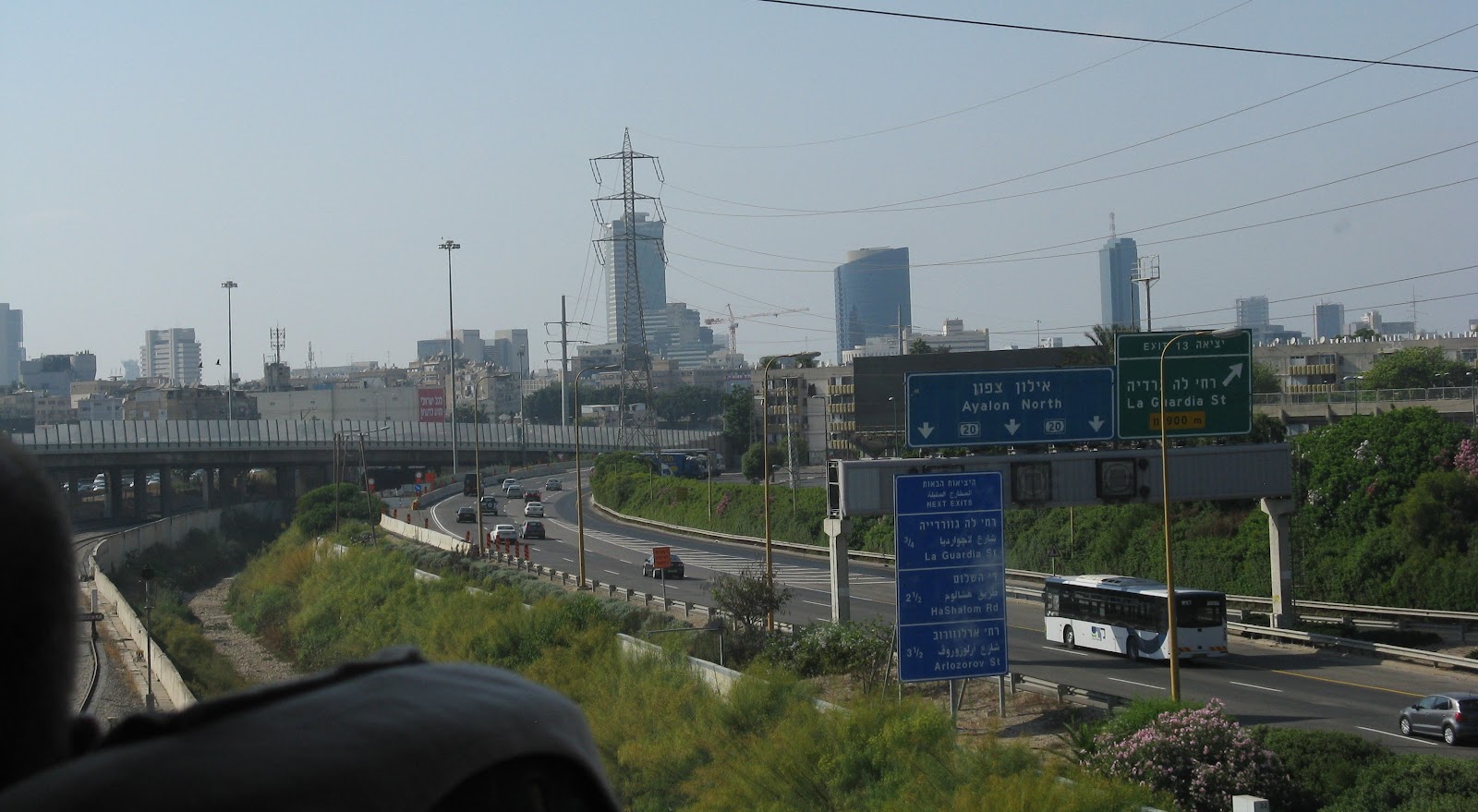
On our first day in Israel, after leaving the airport, we will drive into Tel-Aviv on Israel Highway 1. This is a popular, well-traveled highway which runs from Jericho to Jerusalem past Ben Gurion airport to Tel-Aviv..
The road system in Israel is modern and much like our road system in the United States. Roads, where possible, avoid cities and towns. People drive on the right side of the road, and speeds are comparable (signs say 100, 110 or 120 on limited access highways, but these are kph, not mph) Road signs are in Hebrew (not English). Fortunately, our bus driver will know where to go so we do not need to figure this out.

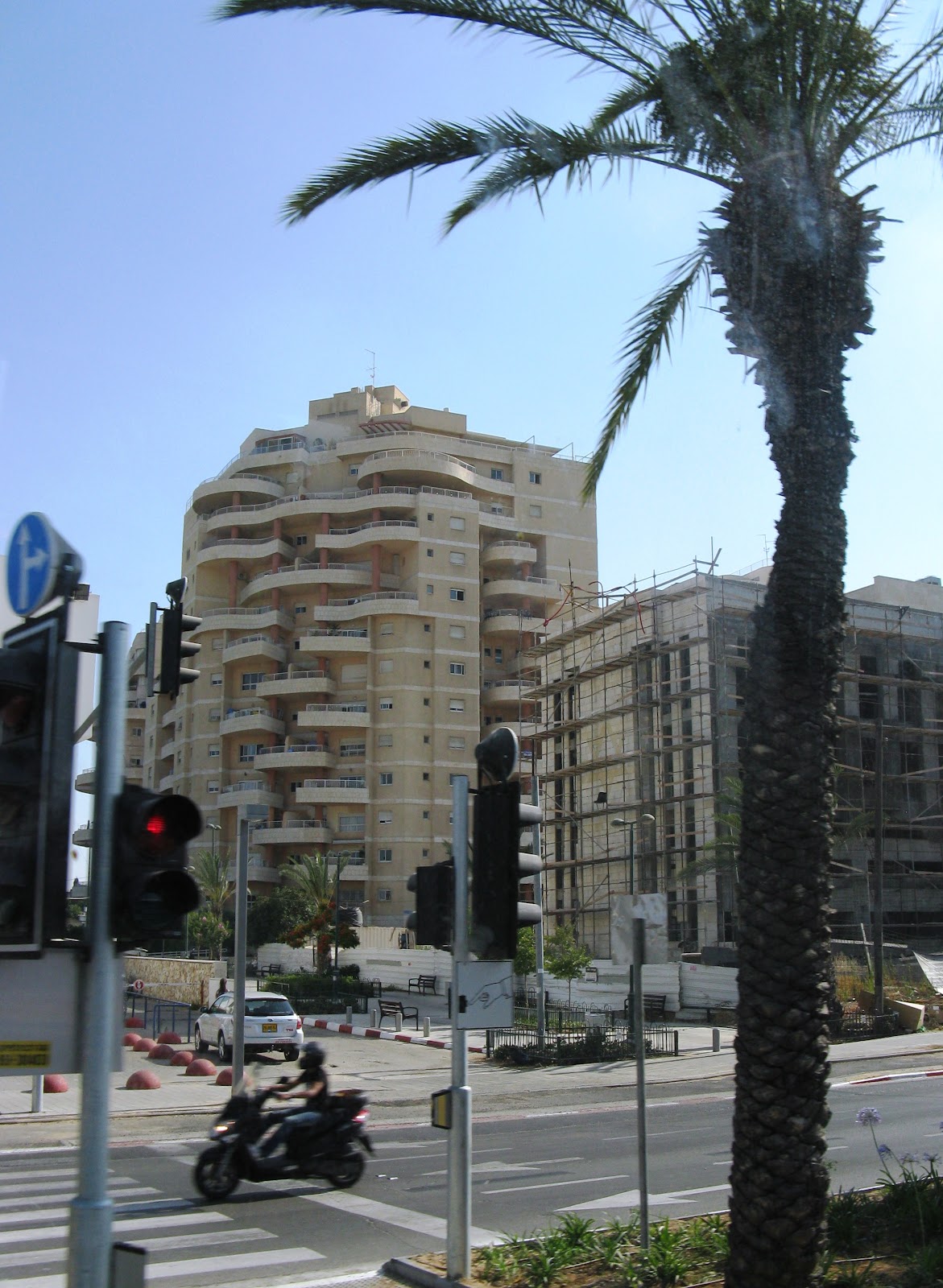
Inside the city there are a mixture of old and new buildings. Many buildings are highrises in order to house more people on the available land. On modern buildings, balconies alternate on each floor in order to allow tall Sukkot (shelters) to be constructed outside during the annual Feast of Tabernacles.
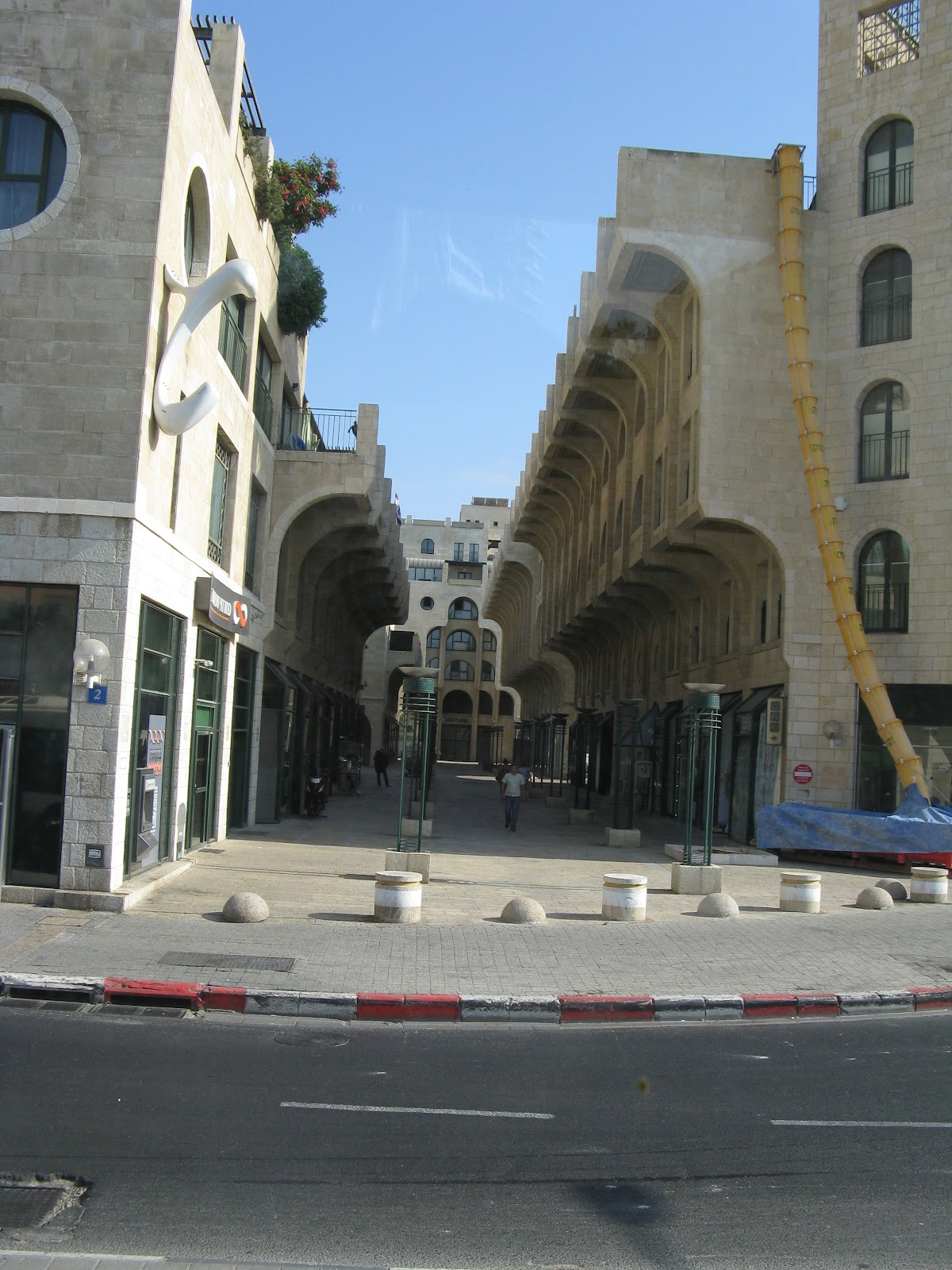
Some of the buildings are symmetrical or decorative.
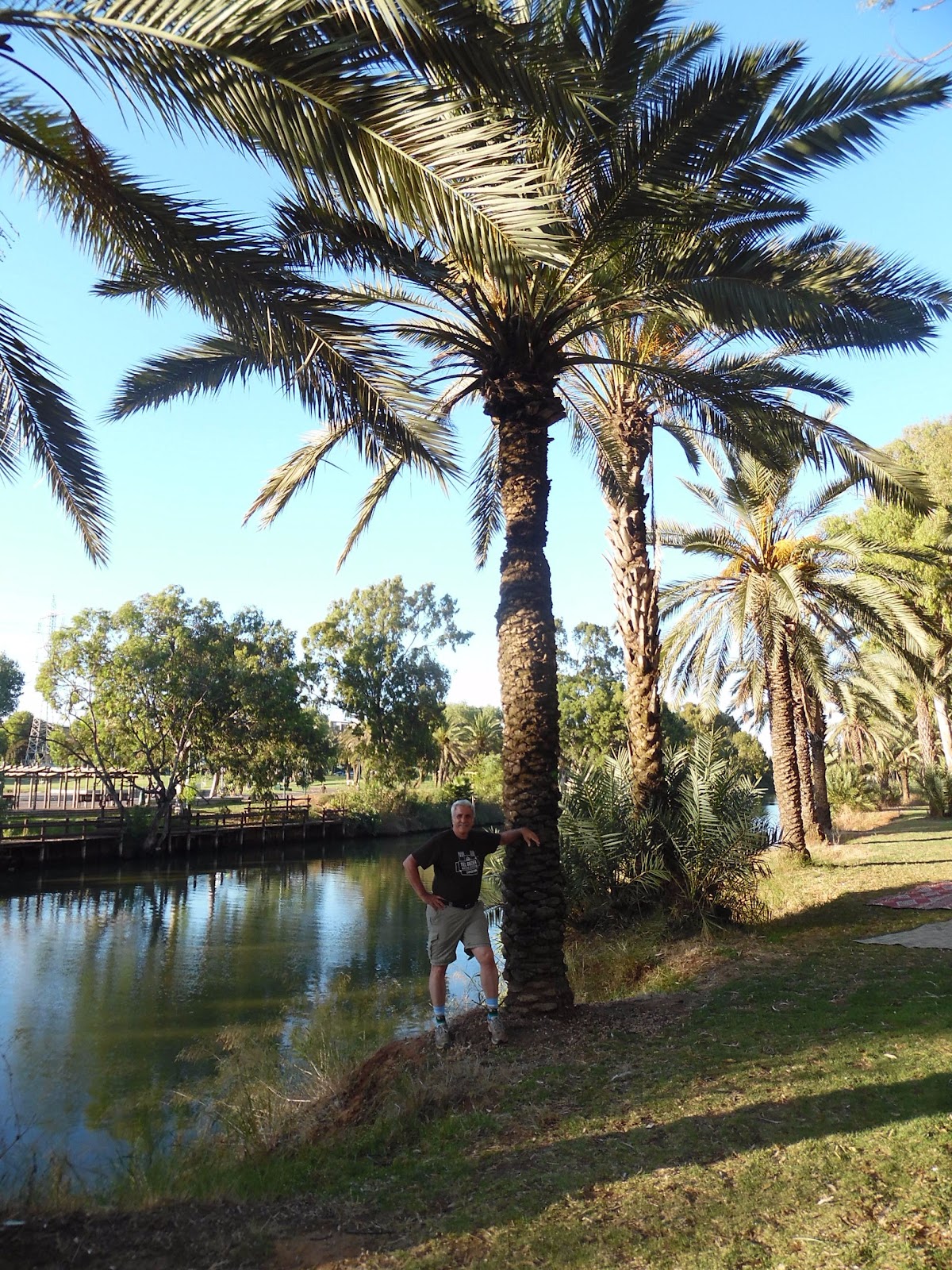
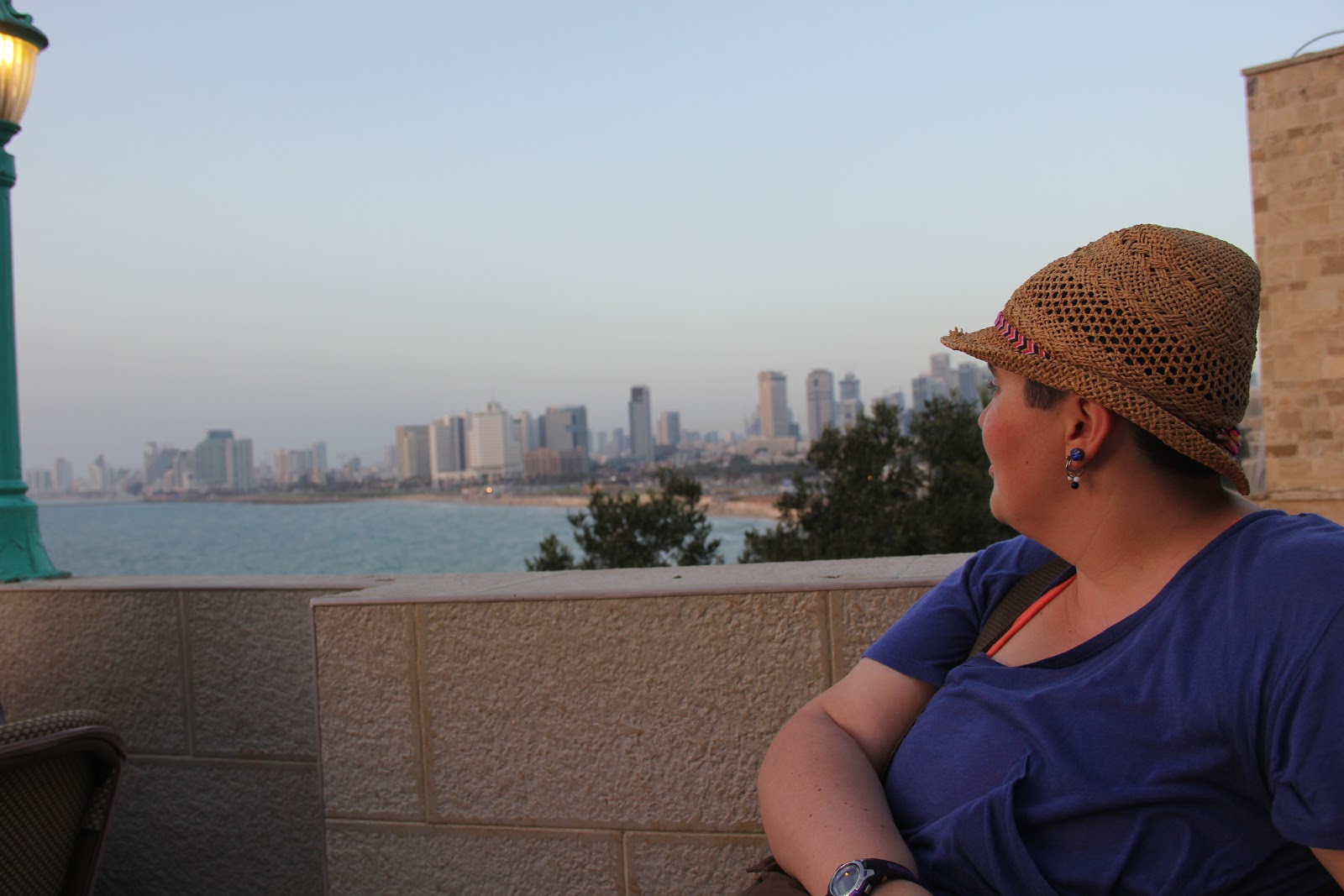
We will cross the Yarkon River while we travel in Tel-Aviv. The Yarkon River forms the heart of a park which is comparable to New York City’s Riverside Park. There are walking trails along the river and a generous amount of green space has been created in one of Israel’s largest cities.
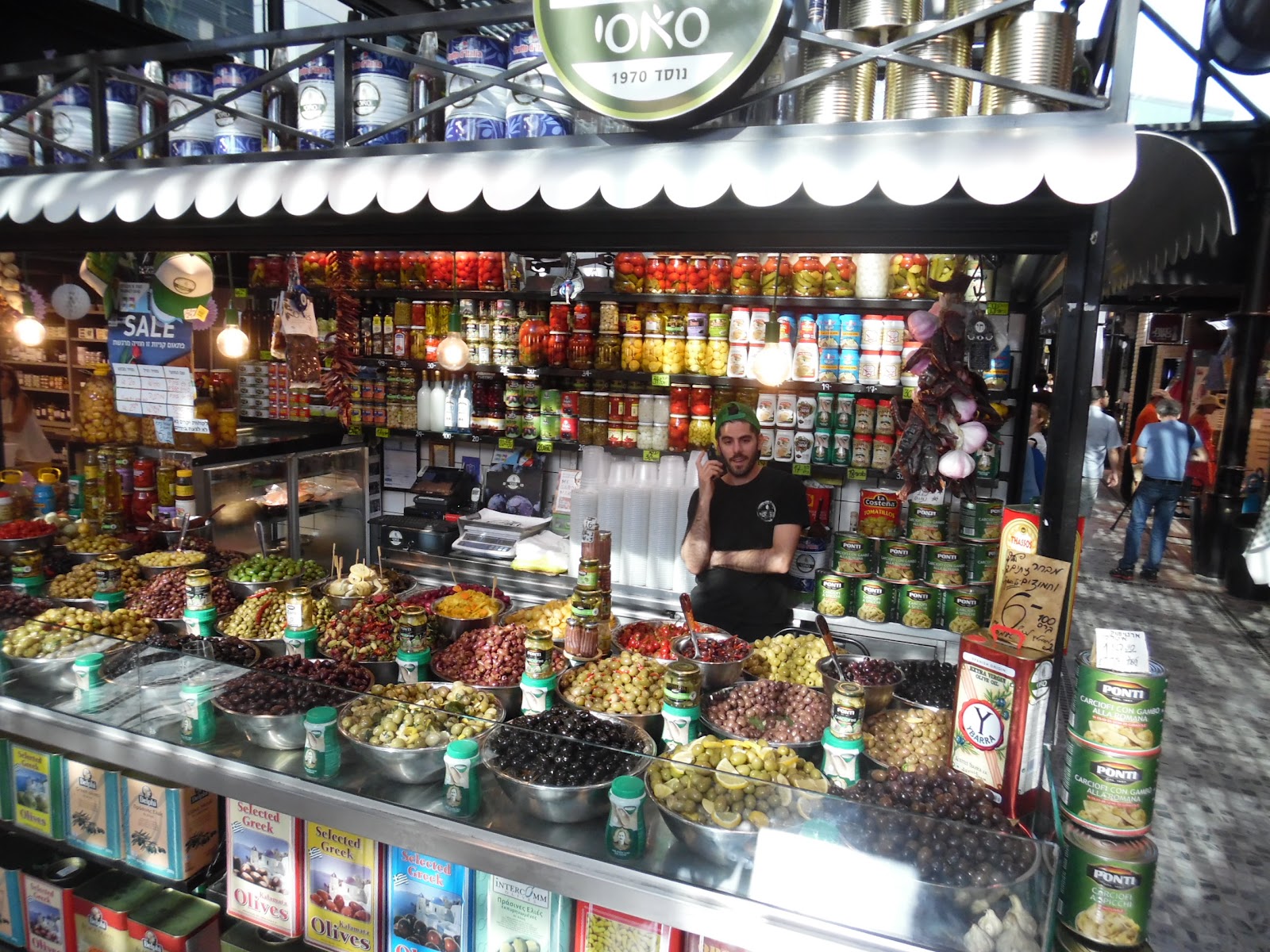
The Jewish market is called the shuk. Shops in the grocery shuk contain fresh fruits and vegetables. The picture above shows an olive stand within the market. There are also stands for fresh fruit, sandwiches, and ice cream.
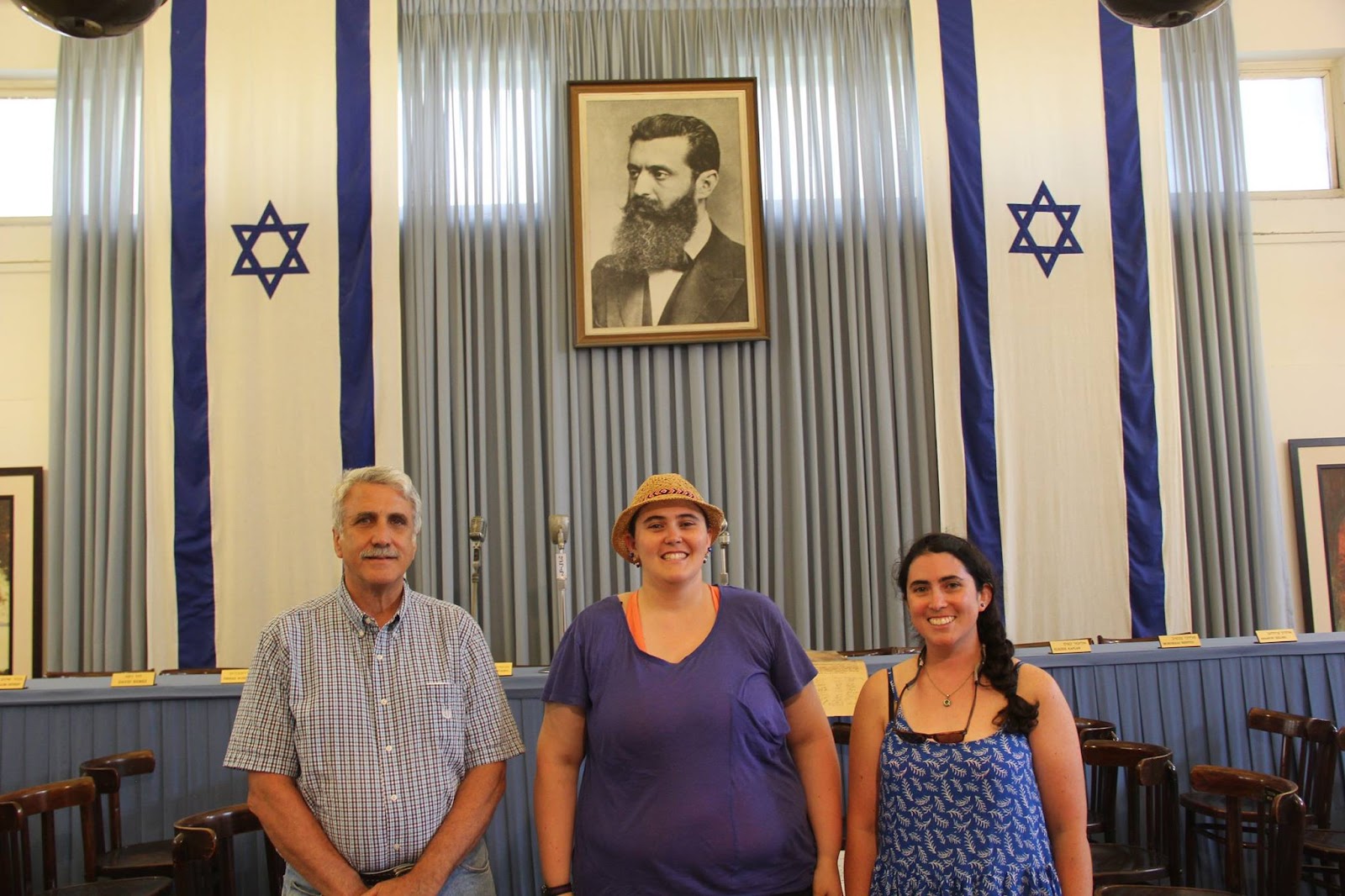
While in Tel-Aviv we will visit Israel’s Independence Hall. We will learn how the country was “born in a day.” Many amazing stories will be shared about Israel’s Day of Independence while we visit the Dizengoff home and see the room pictured above.
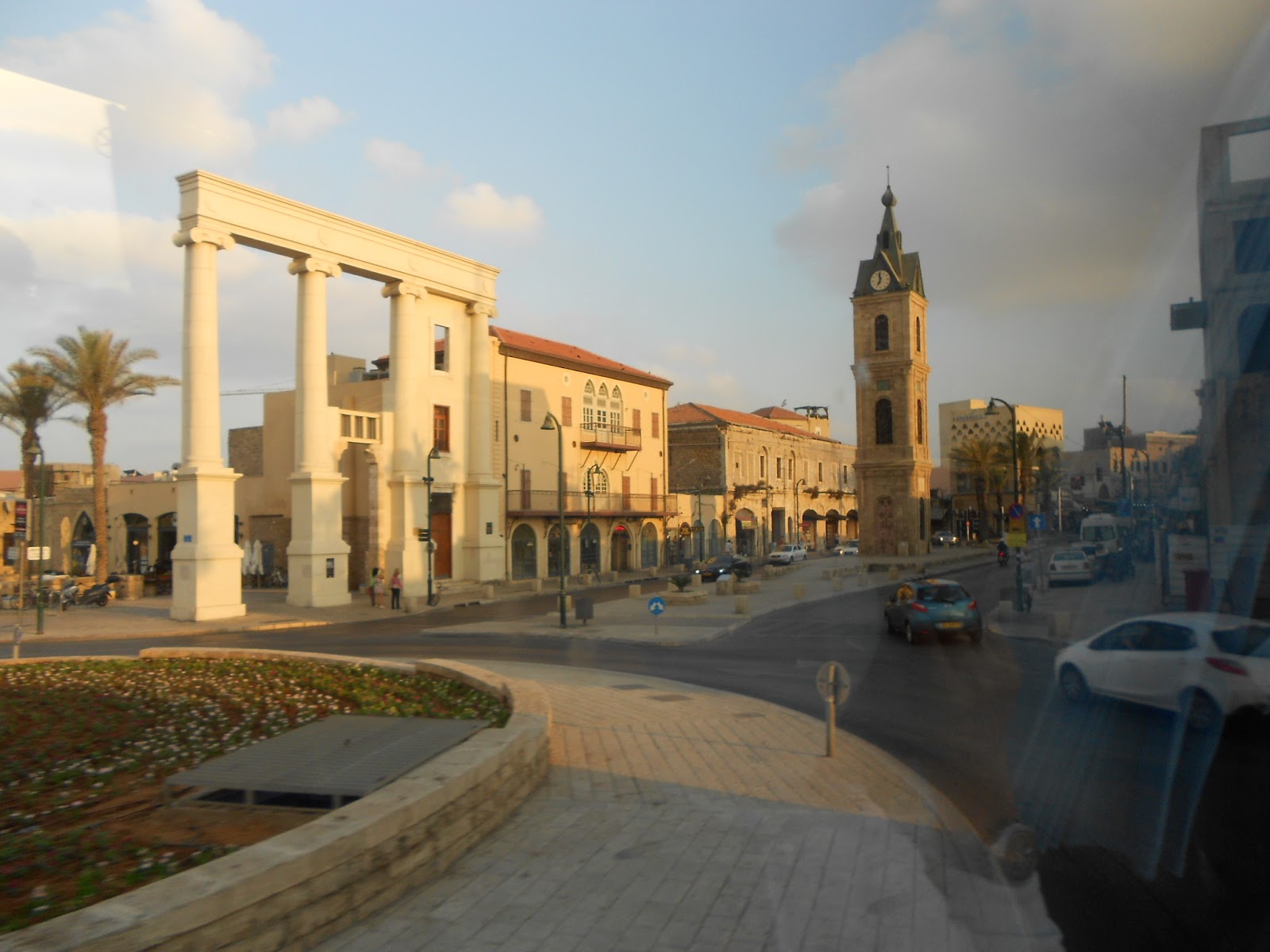
After visiting Independence Hall we will drive to the old city of Yafo. We will see the area pictured above along our route. The clock tower was built during the Ottoman period in 1900.
Old Yafo has many unique features. The historic area dates to the 19th century.
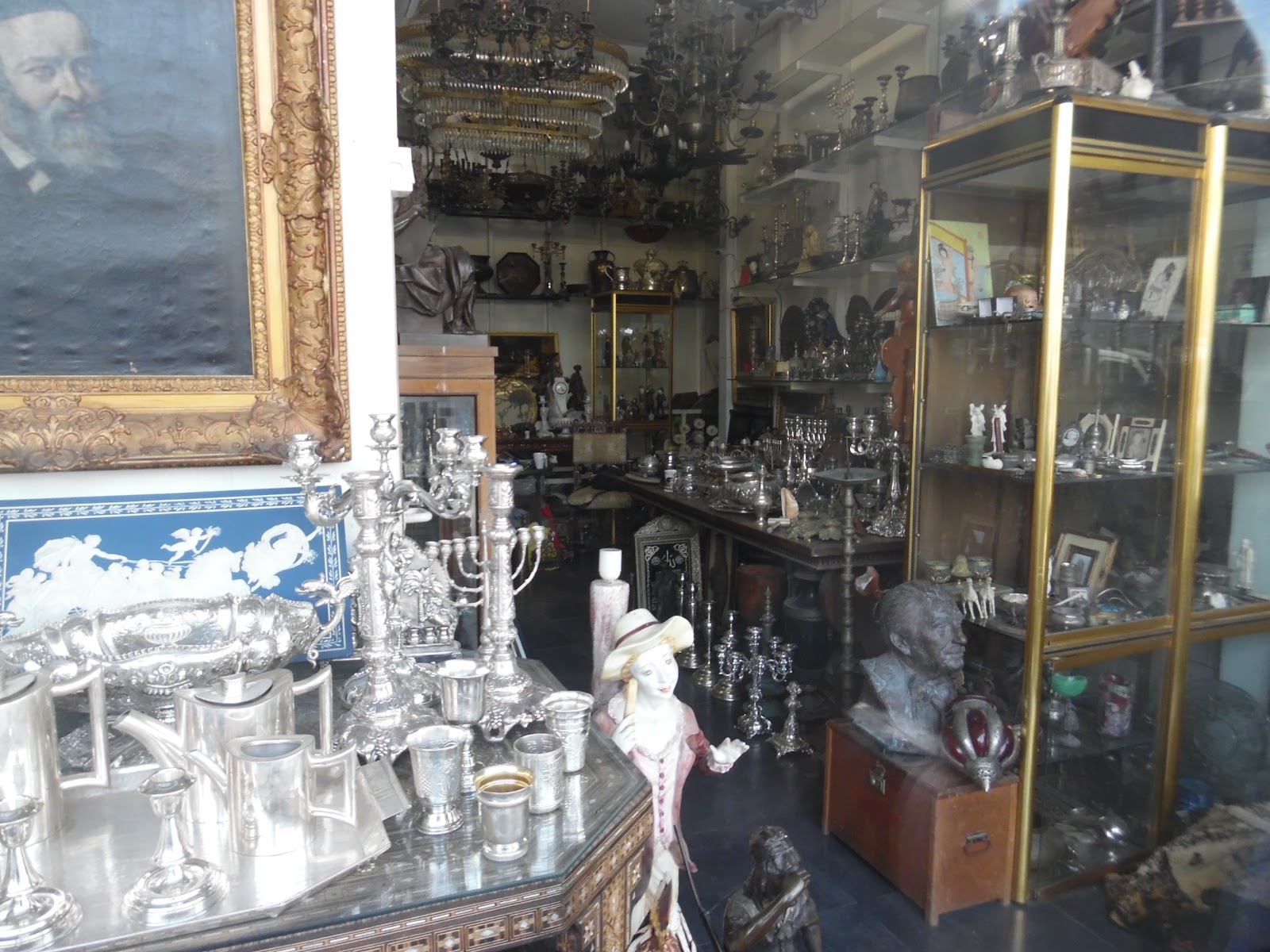
We will see local markets along the way. I bought a menorah in this shop located in the flea market district of Yafo. The shopkeeper’s name is David.
The flea markets of Israel contain many treasures. During our trip to the Promised Land we will be able to see some of the shops on the street while touring and stop in those which are still open during night walks.
The old city of Yafo is within sight of Tel-Aviv’s modern downtown and beachfront. The old and new cities coexist together.
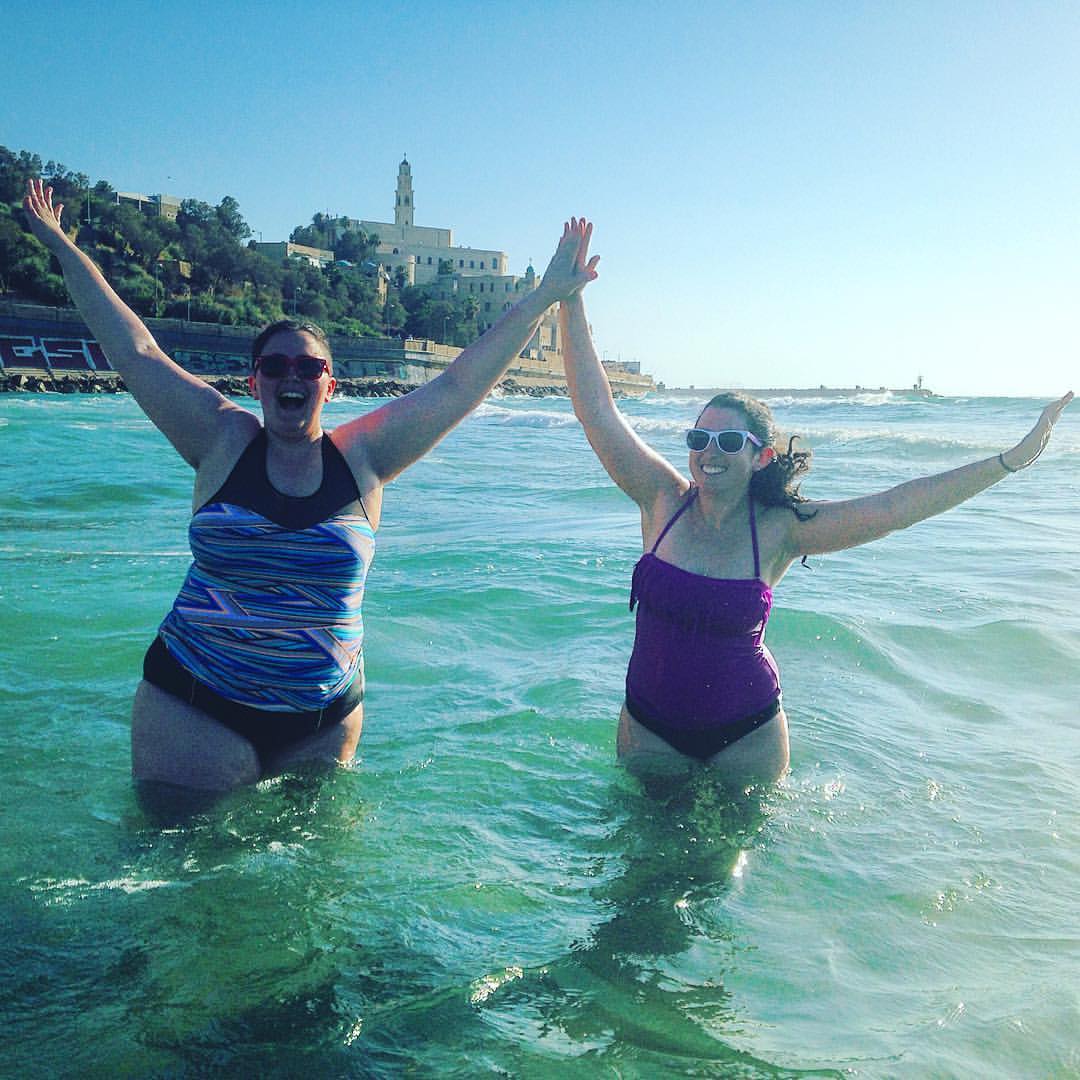
While in Israel we will have an opportunity to take a swim into the Mediterranean, take a plunge into the Jordan, float on the Dead Sea, swim in the cool streams of En Gedi and the Sea of Galilee, and slosh through the fountains of Jerusalem and Hezekiah’s Tunnel.

Monday, February 6, 2017

Executive Orders and Legal Laws

None can doubt the winds of change are blowing and our government is at work. Cabinet members for the new Trump administration have entered their positions through a contentious votes. Our new President is working hard in order to keep campaign promises. One of those promises was to install a Supreme Court justice who would uphold the Constitution. The masses hope the era of creating legal social (and moral) change through court system is over.
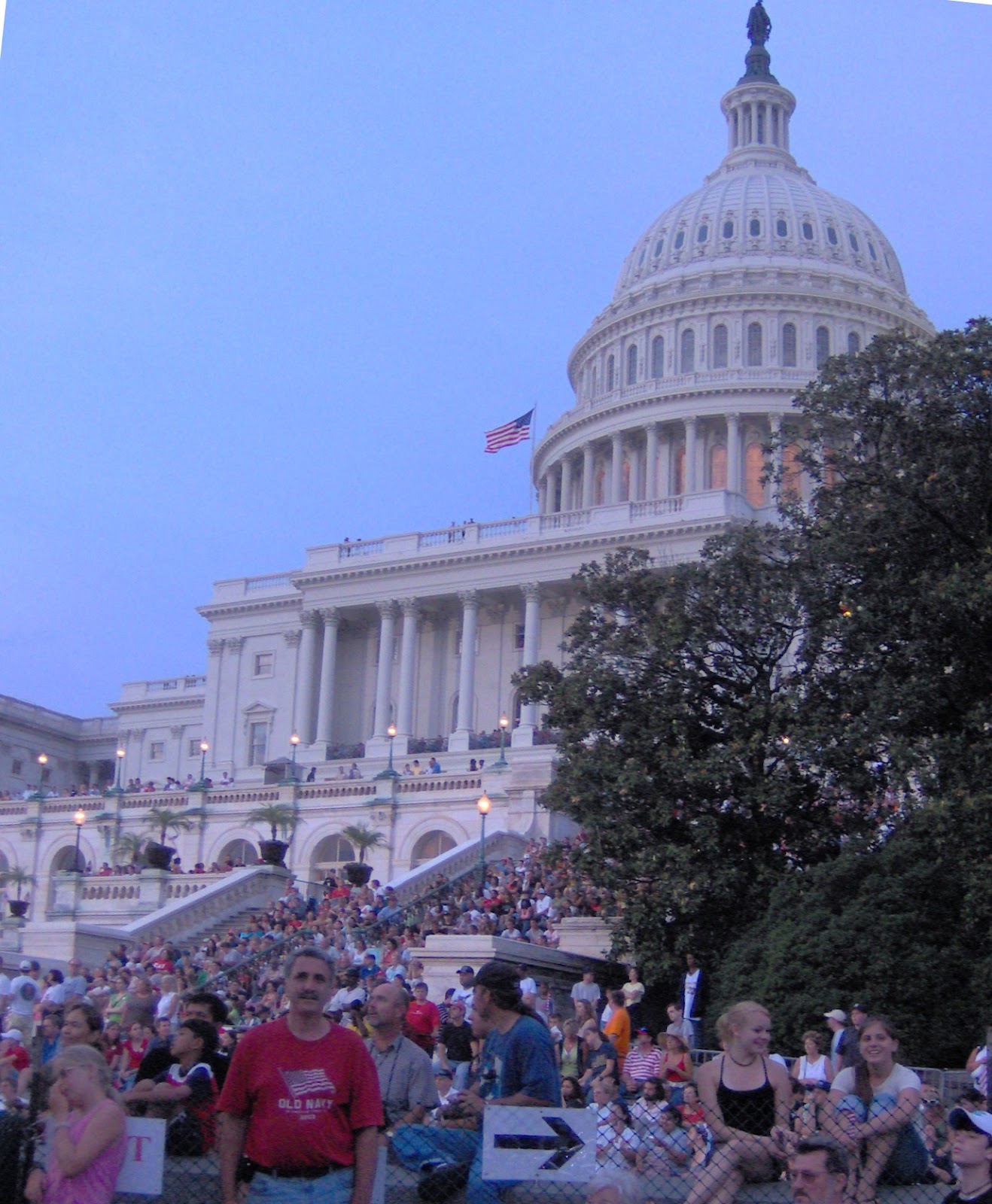
The United States Capitol
The cry has gone out for a justice who would honor the constitution. Our founding fathers wrote, “The judicial power of the United States, shall be vested in one Supreme Court, and in such inferior courts as the Congress may from time to time ordain and establish.” The courts are to judge cases from existing laws and  test the validity of new laws through the constitution and its amendments. The Courts are not to create new laws and because justice is blind they are not to become caught up in social issues.
In like manner the President is to “shall take care that the laws be faithfully executed” being careful to enforce existing laws. He shall “have power, by and with the advice and consent of the Senate, to make treaties, provided two thirds of the Senators present concur.” Neither the courts nor the President of the United States are to create laws. They are guided by existing laws made by congress.
Loading a canon in Yorktown, VA
But in recent years the Presidents have sought to create laws, just like kings. They issue “executive orders,” just like kings (such as King George III). A simple reading of the Declaration of Independence will lead to the discovery that our founding fathers would be horrified to discover our president is making laws (like King George III). There is no constitutional provision or statute that explicitly permits executive orders.
Executive Orders signed by the President are are growing phenomena. Franklin Roosevelt ordered over 3,000 executive orders. Theodore Roosevelt and Calvin Coolidge each ordered over 1,000. Ronald Reagan 381, George HW Bush 166, Bill Clinton 308, George W. Bush 291, and Barack Obama 276. Donald Trump is issuing orders almost every day.
At first executive orders were not laws at all, they clarified laws or helped people understand the purpose of existing laws. George Washington issued an executive order in 1789 recognizing Thanksgiving Day. Other orders asked citizens to recognize treaties with the Indians, pay taxes on liquor, and urged citizens not to interfere in foreign wars.
Independence Day Parade in Washington DC
Today the issuing of an executive order is different. The purpose is often to bypass congress, which is charged by the Constitution “to make all laws which shall be necessary and proper for carrying into execution the foregoing powers, and all other powers vested by this Constitution in the government of the United States, or in any department or officer thereof.” Congress is called to establish a uniform rule of naturalization.” The Constitution also says (catch the spirit of the document here) “The migration or importation of such persons as any of the states now existing shall think proper to admit, shall not be prohibited by the Congress prior to the year one thousand eight hundred and eight, but a tax or duty may be imposed on such importation, not exceeding ten dollars for each person.”
Presidents see the signing of an executive order as a way to push issues which would fail in congress (this is the problem so many have with the Supreme Court) such as executive order 11478 which was written to prohibit discrimination based on sexual orientation and gender identity (the bathroom law). Executive orders can also be used as a means to appear efficient and expedite campaign promises, such as the executive order imposing a 120-day suspension of the refugee program and a 90-day ban on travel to the U.S. from citizens of seven terror hot spots: Iraq, Iran, Syria, Libya, Yemen, Somalia and Sudan.
Militia Drummers in Williamsburg, VA
When Presidents bypass congress we lose a strength which comes from collective wisdom. Congress was created to include people with opposing views (such as northerners and southerners; republicans and democrats). They work through negotiation and compromise, examining every aspect of every bill so mistakes will not be made.  The process, though slow and at times messy creates stronger and more lasting laws. Executive Order 13770 brought cost and inconvenience to thousands of people with the stroke of a pen by causing the State Department to cancel 60,000 visas. It has also led to a fight between the President and the Courts which could have been avoided by following due process when laws are created.

The Constitution gives the following process for making laws, “Every bill which shall have passed the House of Representatives and the Senate, shall, before it become a law, be presented to the President of the United States.” We need to return to the process which made America Great, even if it is slower and less convenient because the process outlined by our forefathers helps prevent mistakes and has the power to bring stability and unity.

Friday, February 3, 2017

Passover and the Lord's Suppper

The least changed and most celebrated moment in Christian worship is called Communion, the Lord’s Supper or Holy Eucharist. A simple piece of bread and a sip of wine or grape juice open to the believer a moment with the Lord and bring to the forefront of heart and mind the teachings of Jesus Christ. In the Catholic church the entire worship service moves toward the Holy Eucharist. In Christian and Disciples of Christ congregations communion is served every week. In Baptist and other non-liturgical assemblies the Lord’s Supper can be a regulatory add-on to a meeting with another focus. Participants of all churches look forward to the moment they partake of the bread and the wine.
Communion services bring to remembrance a moment in the final supper Jesus ate with his disciples on the evening before he was crucified on the cross. The book of Mark captures the moment this way: “While they were eating, He took some bread, and after a blessing He broke it, and gave it to them, and said, "Take it; this is My body." And when He had taken a cup and given thanks, He gave it to them, and they all drank from it. And He said to them, ‘This is My blood of the covenant, which is poured out for many.’”
The Bible tells us in this verse that something is missing from many communion services, and in the hearts and minds of many participants who regularly partake of the Holy Eucharist. The hint in Mark’s gospel says, “While they were eating.” Luke shows two cups in his look at the supper. Matthew states: “On the first day of Unleavened Bread the disciples came to Jesus and asked, ‘Where do You want us to prepare for You to eat the Passover?’ ... The disciples did as Jesus had directed them; and they prepared the Passover.” Paul references the Lord’s Supper as a meal and an important teaching several times in his letters to the Corinthians.
Most Christians know that the Eucharist was a portion of Jesus’ Last Supper, but they have never experienced the Passover observance from which the practice of Communion arose. The teachings and symbols of the Passover Seder (order of teaching) contain much which will contribute to Christian practice and understanding of the Lord’s Supper.
Passover is a celebration of freedom from slavery. The story which is told in the Passover Haggadah begins with the call of Abraham, who was a man of faith who live a life of obedience towards God. It tells how the family of Jacob came to sojourn in Egypt and were enslaved as the enemy of Egypt. The Haggadah teaches how when the people of Israel cried out to God in prayer their voices were heard. God brought miracles (we call them plagues which came about to punish Pharaoh and change his mind, the Haggadah calls them miracles which came in order to show the strength and power of God) in order to free His people. Then the Hebrews were commanded to gather as families, to place the blood of a lamb upon the doorposts of their homes, to roast the animal and to eat their last meal in readiness as God granted them the freedom they sought.
The Passover meal walks the participant through stages of preparedness from the cleansing of hands to the purification of the heart. It teaches observers about God's mercy through experiential lessons of tasting particular foods. The service calls upon the voices of each person present to give praise to God through the Hallel Psalms. It teaches us to savor the love of God who continually shows His love for His people.
The Passover Seder is led by the head of the household, not the priest (or pastor). The celebration is today as it was at the beginning (Ex 12:3) a home (not a church) celebration. This realization should call all believers to imbue the home with teaching and the practice of faith. It is belief which is actively lived out in the home which passes from generation to generation.
If you would like to celebrate a Passover Seder in your church (or receive coaching to lead it yourself) send an e-mail to KosherCopy@gmail.com. My family and I regularly lead Passover Seders in North and South Carolina, New Orleans and the Cincinnati area.

Wednesday, February 1, 2017

A Flight to Israel

Please take this as in invitation to join me on a 14 day trip to the Holy Land. To see the full agenda or to sign up, click the links. You will be rewarded through personal discoveries and experiences by going on this journey.
Our entry into Israel during our 2018 visit will take place near Lod, a modern city of 72,000 citizens. Ben Gurion Airport is located near the city in a compound just off Israeli Highway 1. The location of the airport and the surrounding cities provide a beautiful entry as we begin our tour of Eretz Yisrael (the land of Israel). This airport has served as the arrival point for tourists, businessmen, world leaders and Israelis who are returning home.  Egyptian pharaoh Thutmose III recorded the existence of a city at this location in 1465 BC.
Awaiting our flight to Israel
Our flight will depart in the evening, taking us across the Atlantic Ocean and most of Europe during the nighttime hours. We will try to sleep (some successfully) before being served a meal as we fly near the Mediterranean  Sea. The blue waters of this sea are beautiful from above, and we will enjoy their peacefulness from the sky.
View of modern housing as we fly into Israel
After the meal we will approach the coastline of Israel. We will notice the tan coloration of a semi-arid paradise. As we cross the coastline and beaches we will notice high-rise apartments starting near the coast and expanding toward the hill country which lies in front of us. This is the architecture of modern in Israel. Many immigrants from around the world inhabit apartments which are built over much earlier communities. Lod and the plane of Sharon are noted in the BIble for several events which happened there.
Lod from Ben-Gurion Airport, Israel
Lod, which also carries the Greek name Lydda is located about twelve miles east of Tel-Aviv. It is formerly and currently on one of two major roads leading from the seacoast up to Jerusalem. Joshua, David, Solomon, and many others are known to have visited this city. The apostle Peter visited a man named Aeneas, who was paralyzed and had been bedridden for eight years and healed him.
View from Ben Gurion Airport, Israel
We will disembark from the plane, walk down a long hallway (with glass windows offering some visibility to the area) and then down a spiral ramp towards the main terminal. We will know we arrived at the main part of the building when we see the Mezuzah.
Mezuzah, Ben Gurion Airport, Israel
Mezuzahs are attached to doors on most Jewish homes as a reminder for all who enter to honor God. The Mezuzah which is made up of two parts, an outer decorative box and an inner parchment scroll containing scriptures from Deuteronomy 6:4-9 and 11:13-21. The placement of the box on the doorpost reminds the Jewish people of a sign commanded by God during the exodus from Egypt (Exodus 12:7), Upon entering the main terminal of the airport we will see one of the largest Mezuzahs in the world.
Entry area Ben Gurion Airport, Israel
Once in the airport we will pass through customs, pick up our baggage and meet our guide. Once we clear customs we will be off on our adventure.