Showing posts with label Yarkon River. Show all posts

Wednesday, February 15, 2017

Eretz Yisrael

From the very first day of our trip to Israel (May 5-18, 2017) we will discover Israel is a land of contrasts. We will see the very new and the very old. Upon departure from Ben Gurion airport we will travel the modern road system into Tel-Aviv. Our first stop in Tel-Aviv is the Palmach Museum on the campus of Tel-Aviv University.
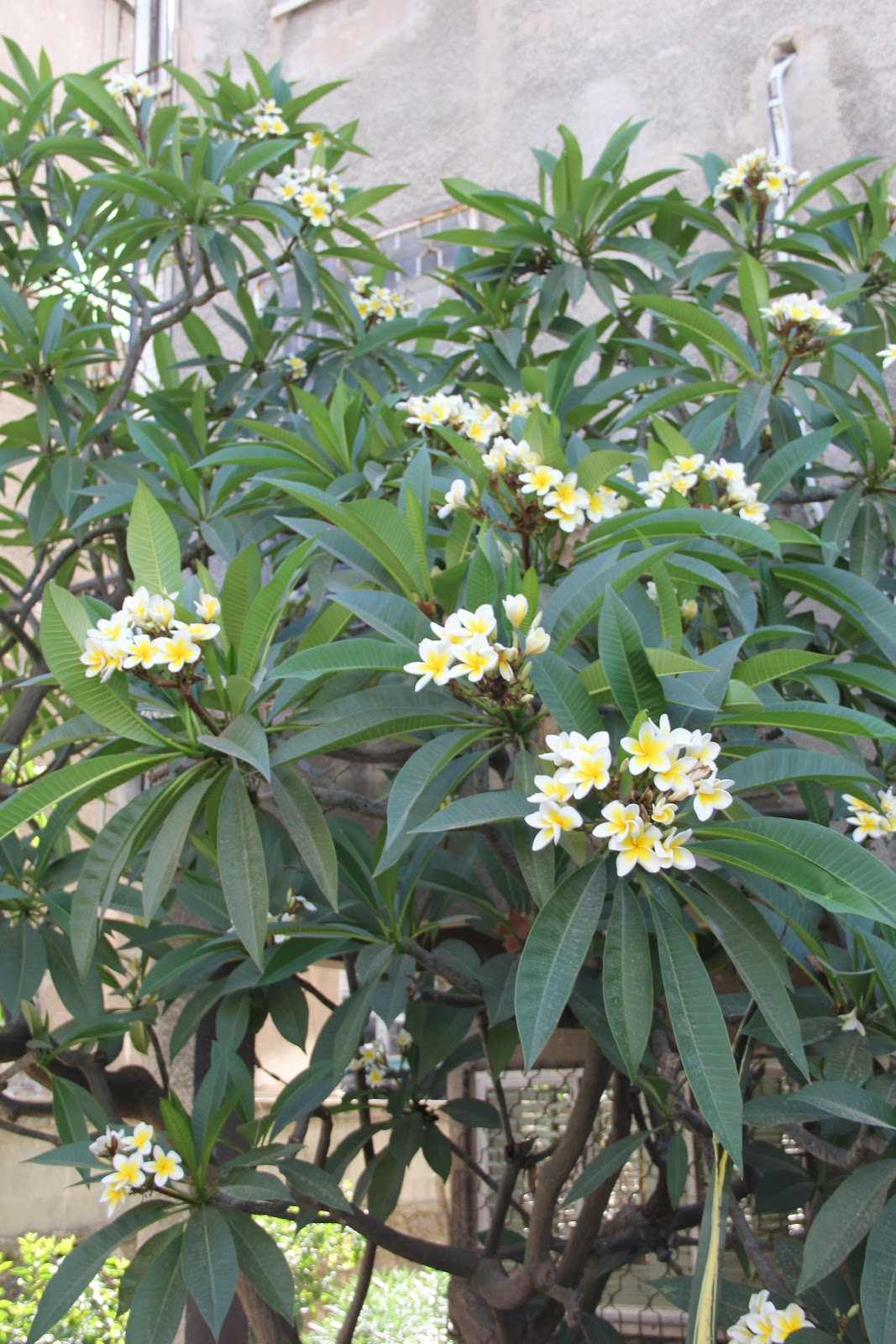
Along the way we will see the scenery of “Eretz Yisrael” (the land of Israel). Eretz Yisrael enjoys a semi-tropical climate which allows the people of the land to plant a variety of flowering trees and bushes.
While most of the land is arid, the Hebrew people work hard to create beauty wherever they can. The flowering trees and bushes seen in this blog are on the campus of Eretz Israel Museum which is on the campus of Tel-Aviv University. We will pass this location on our way to the Palmach Museum.
Contained at the corner of the Museum is what remains of an early archaeological dig, known as Tel Quasile. The original excavation promoted by Lady Hester Stanhope took place in 1948.
Tel Quasile is the remains of a port city located on the banks of the Yarkon River. The city was located a few miles away from the Mediterranean Sea in order to protect it from waves and from raiders who might attack the city.
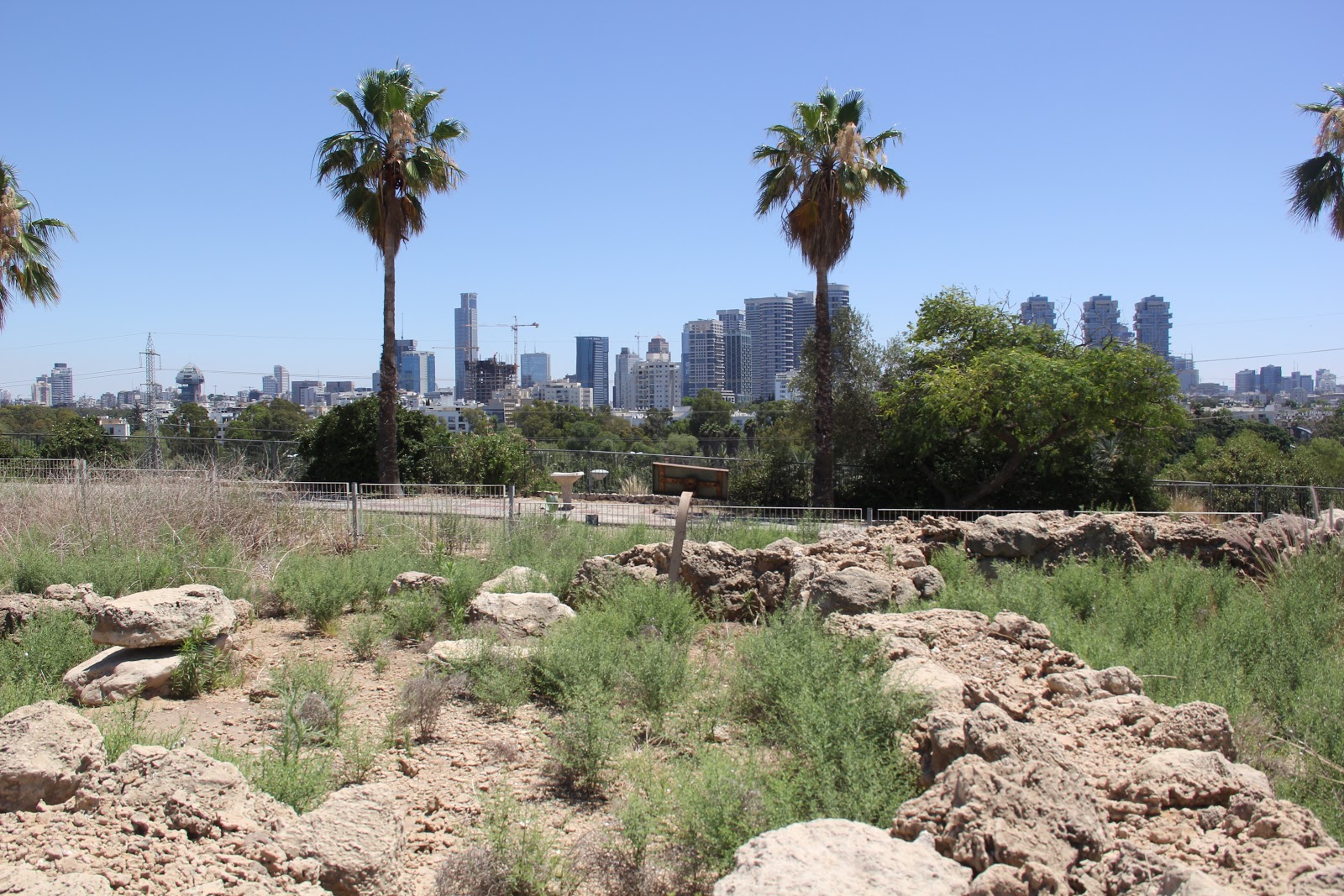
Today the ruins contain mostly foundations, but there is signage that gives an explanation about the purposes the buildings held. Among the ruins there are various displays, as well as more recent buildings. One of the displays is an olive press where the visitor can see various methods used to draw oil from this valuable fruit.
The museum contains many displays and buildings that show the history of Eretz Yisrael. Displays show agricultural tools, as well as glass making and other crafts.
There is also a building with an exhibit that tells the history of how the Rothschild family of Europe supported farming within the Plain of Sharon. These enterprises drew settlers and gave rise to the modern nation of Israel.
We will discover at the Palmach Museum how the settlers who came to Eretz Yisrael in order to farm the land were forced to protect themselves against Palestinians who desired to eradicate the intruders.
Eretz Yisrael Museum is located in a very beautiful setting on the north side of Tel-Aviv.
Just south of the University we will pass through Yarkon River Park on our way into Tel-Aviv. This park is called the Central Park of Tel-Aviv and contains many recreational fields, walking trails and a zoo.
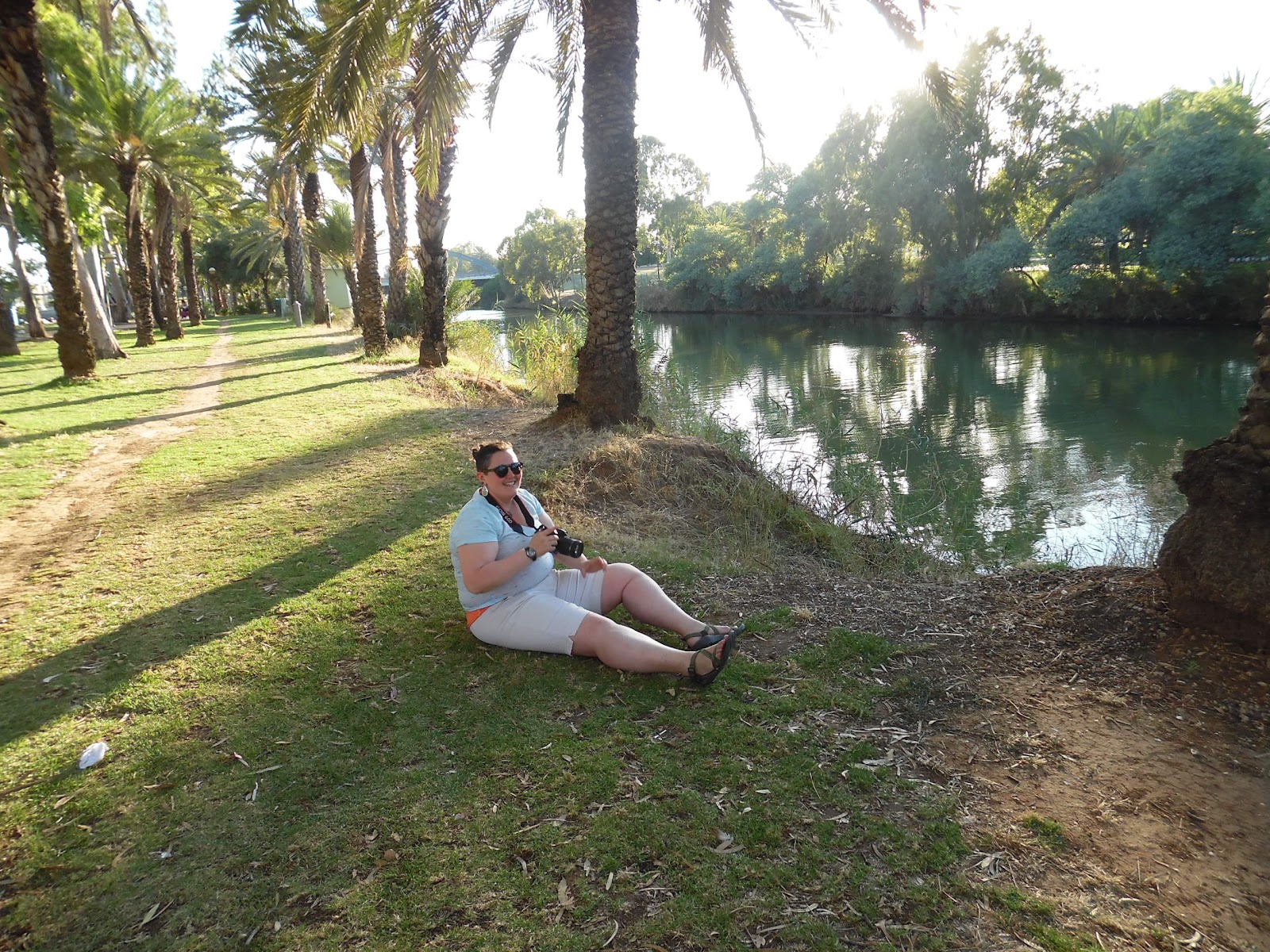
We will find very beautiful sights as we travel the different regions of Eretz Yisrael. Yarkon River Park is but a taste of what lay ahead of us on this trip.

Wednesday, February 8, 2017

Visiting Tel Aviv

Please take this as in invitation to join me on a 14 day trip to the Holy Land. To see the full agenda or to sign up, click the links. You will be rewarded through personal discoveries and experiences by going on this journey.
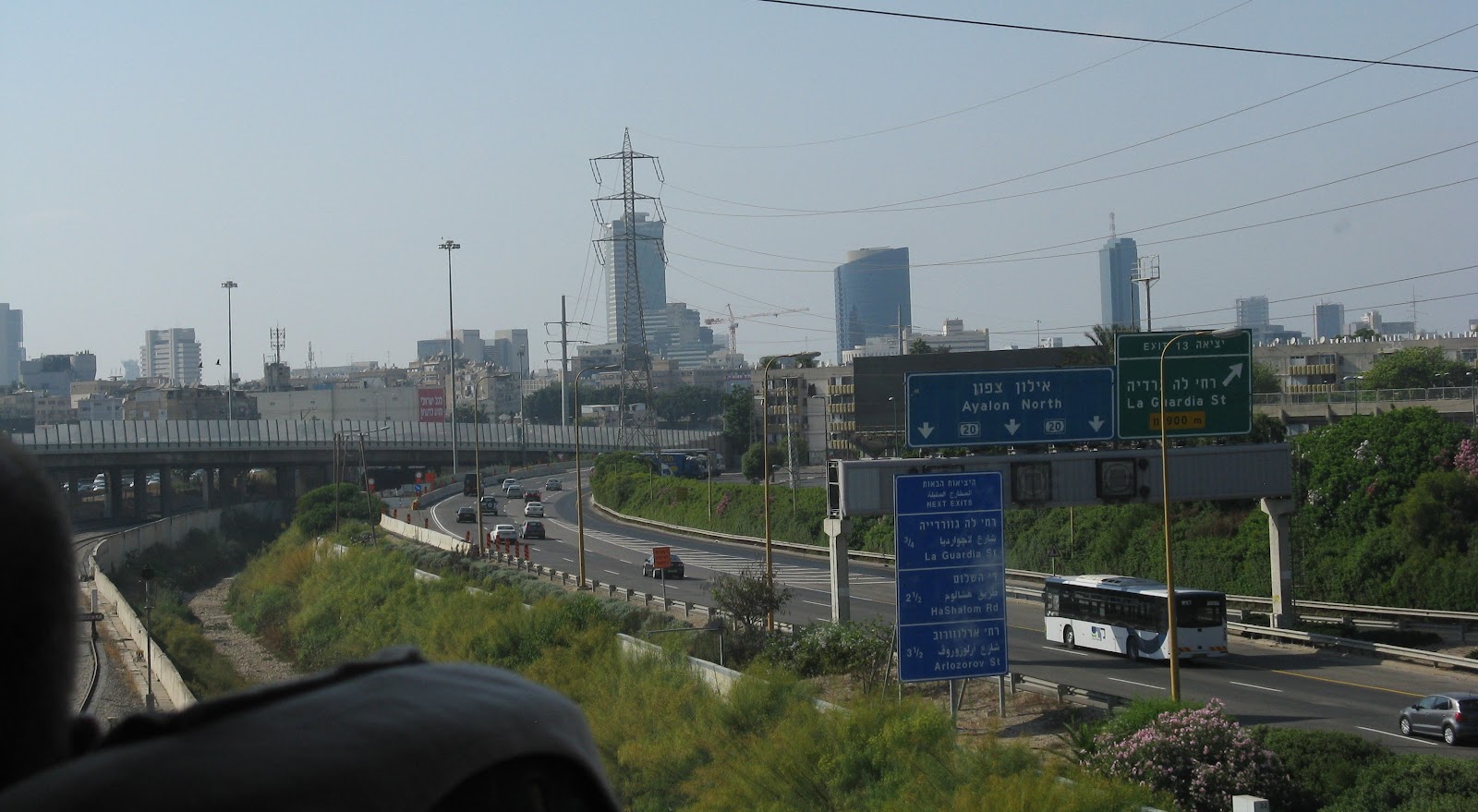
On our first day in Israel, after leaving the airport, we will drive into Tel-Aviv on Israel Highway 1. This is a popular, well-traveled highway which runs from Jericho to Jerusalem past Ben Gurion airport to Tel-Aviv..
The road system in Israel is modern and much like our road system in the United States. Roads, where possible, avoid cities and towns. People drive on the right side of the road, and speeds are comparable (signs say 100, 110 or 120 on limited access highways, but these are kph, not mph) Road signs are in Hebrew (not English). Fortunately, our bus driver will know where to go so we do not need to figure this out.
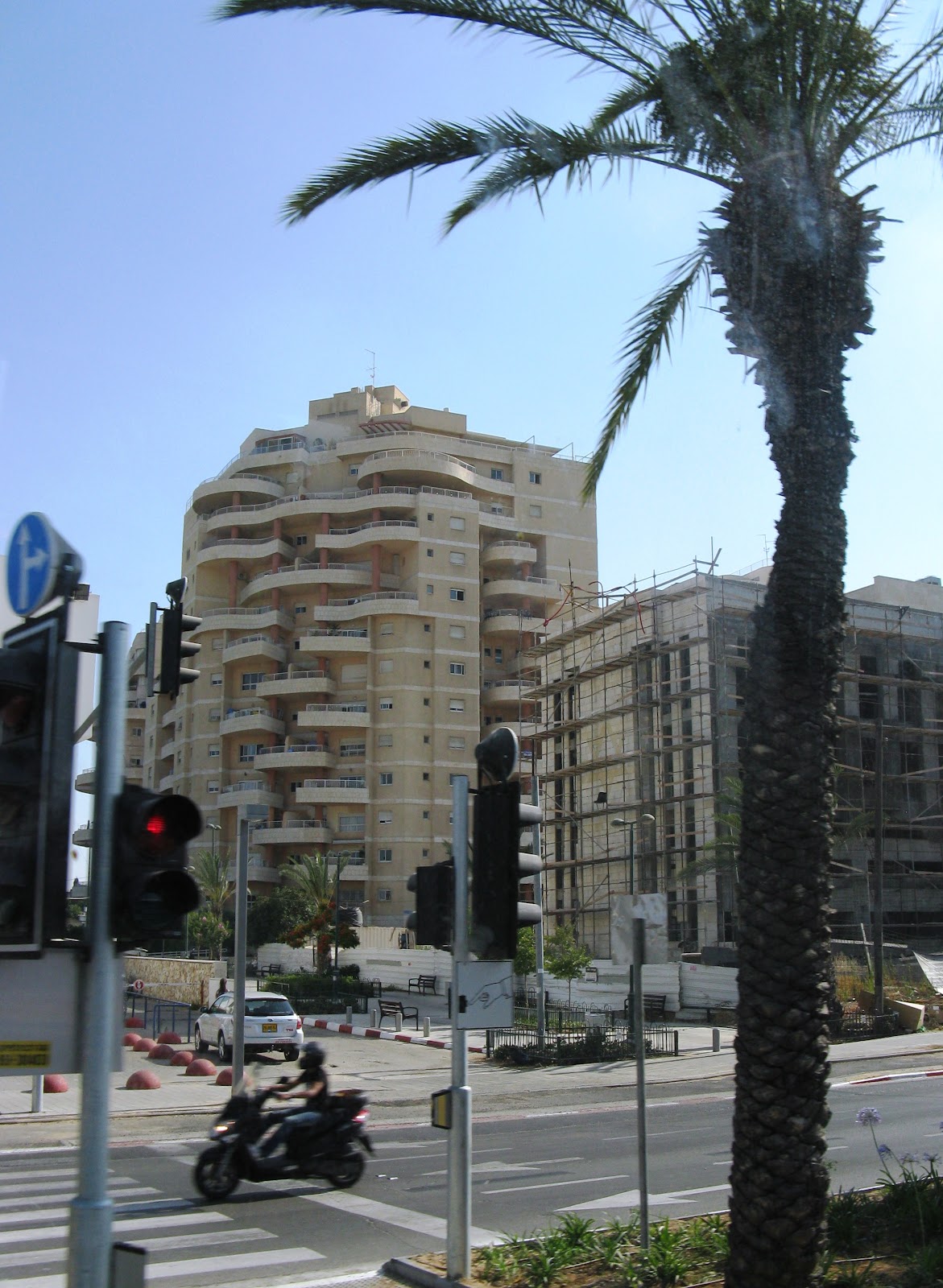
Inside the city there are a mixture of old and new buildings. Many buildings are highrises in order to house more people on the available land. On modern buildings, balconies alternate on each floor in order to allow tall Sukkot (shelters) to be constructed outside during the annual Feast of Tabernacles.
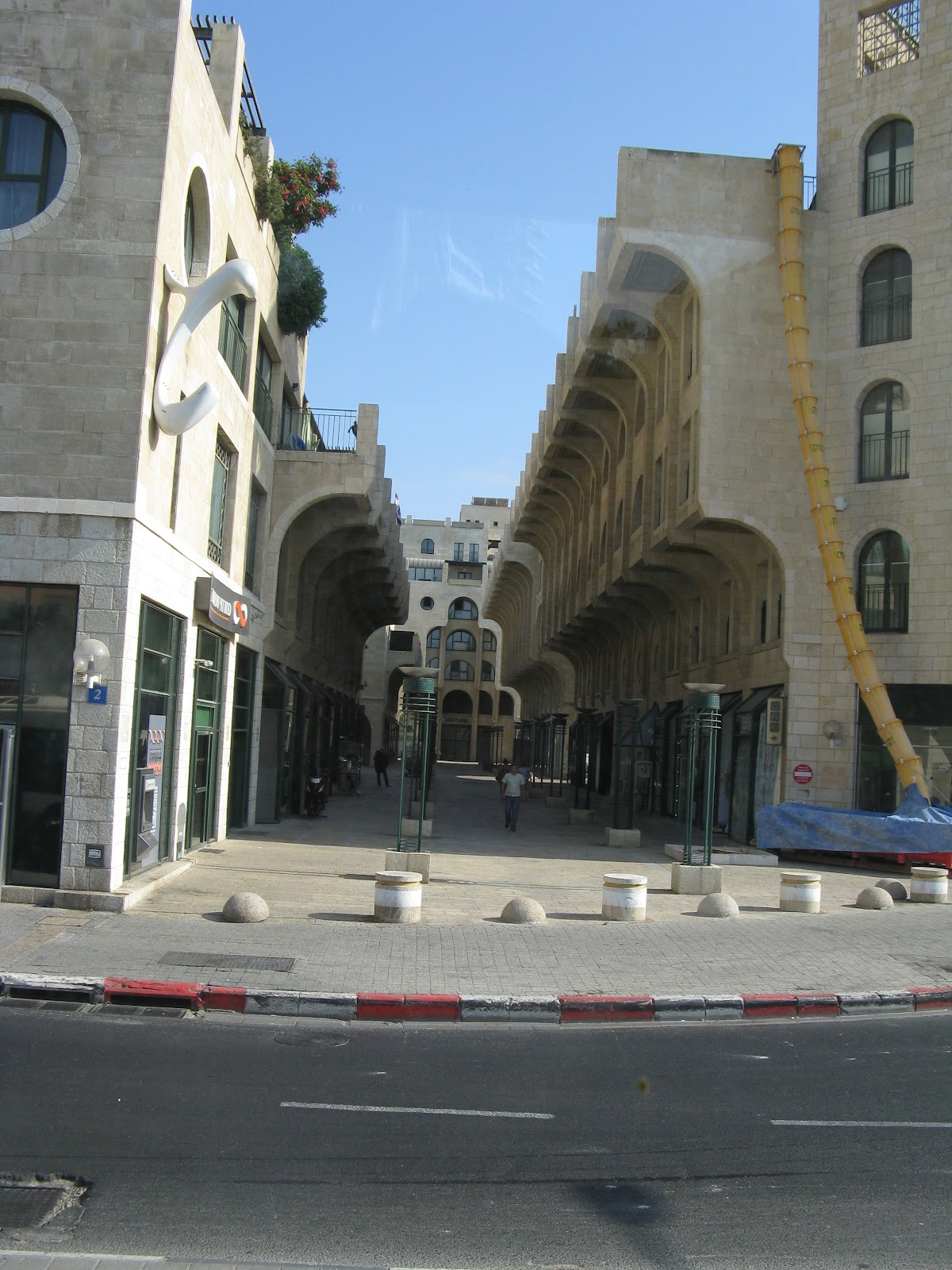
Some of the buildings are symmetrical or decorative.
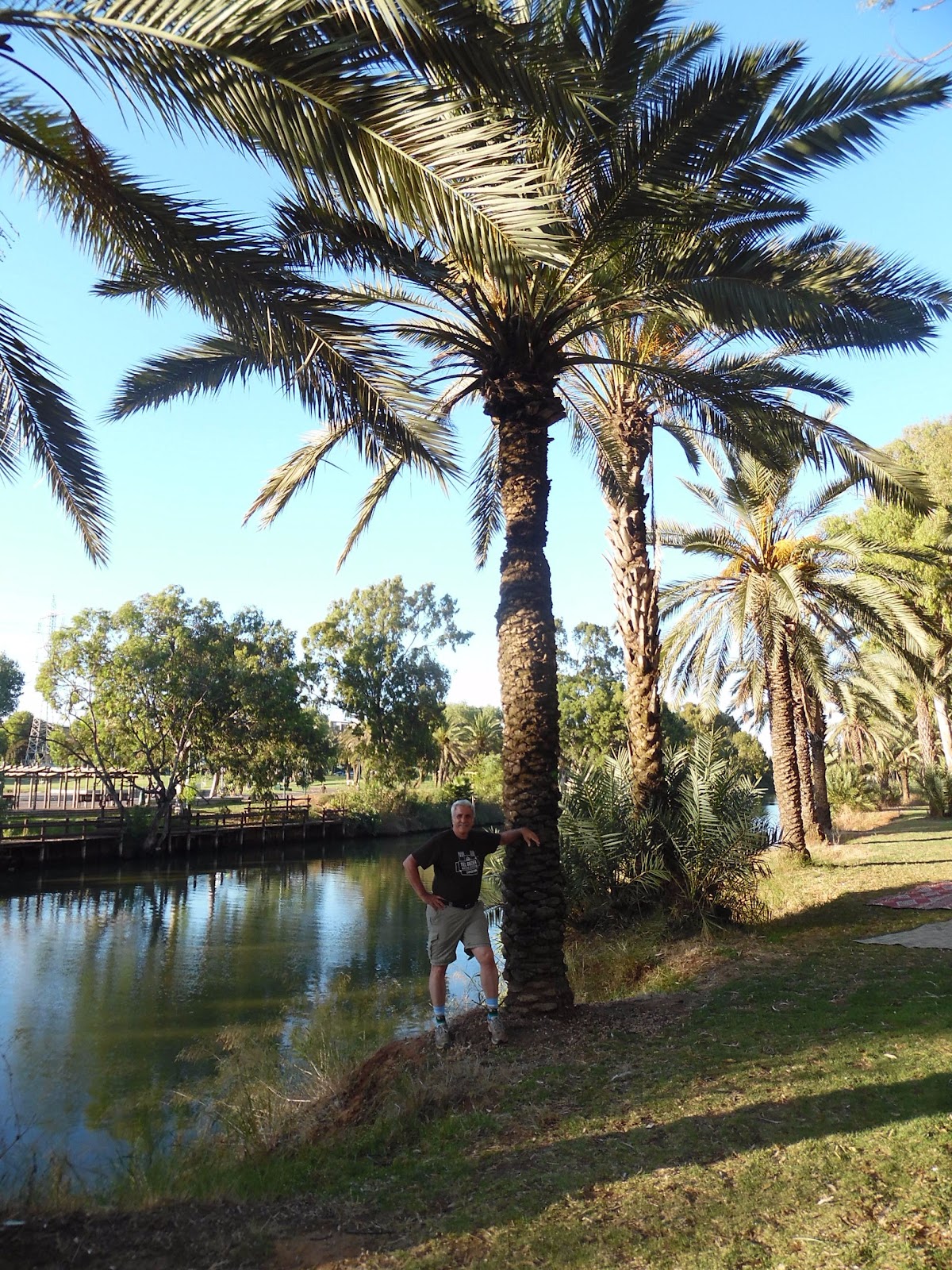
We will cross the Yarkon River while we travel in Tel-Aviv. The Yarkon River forms the heart of a park which is comparable to New York City’s Riverside Park. There are walking trails along the river and a generous amount of green space has been created in one of Israel’s largest cities.
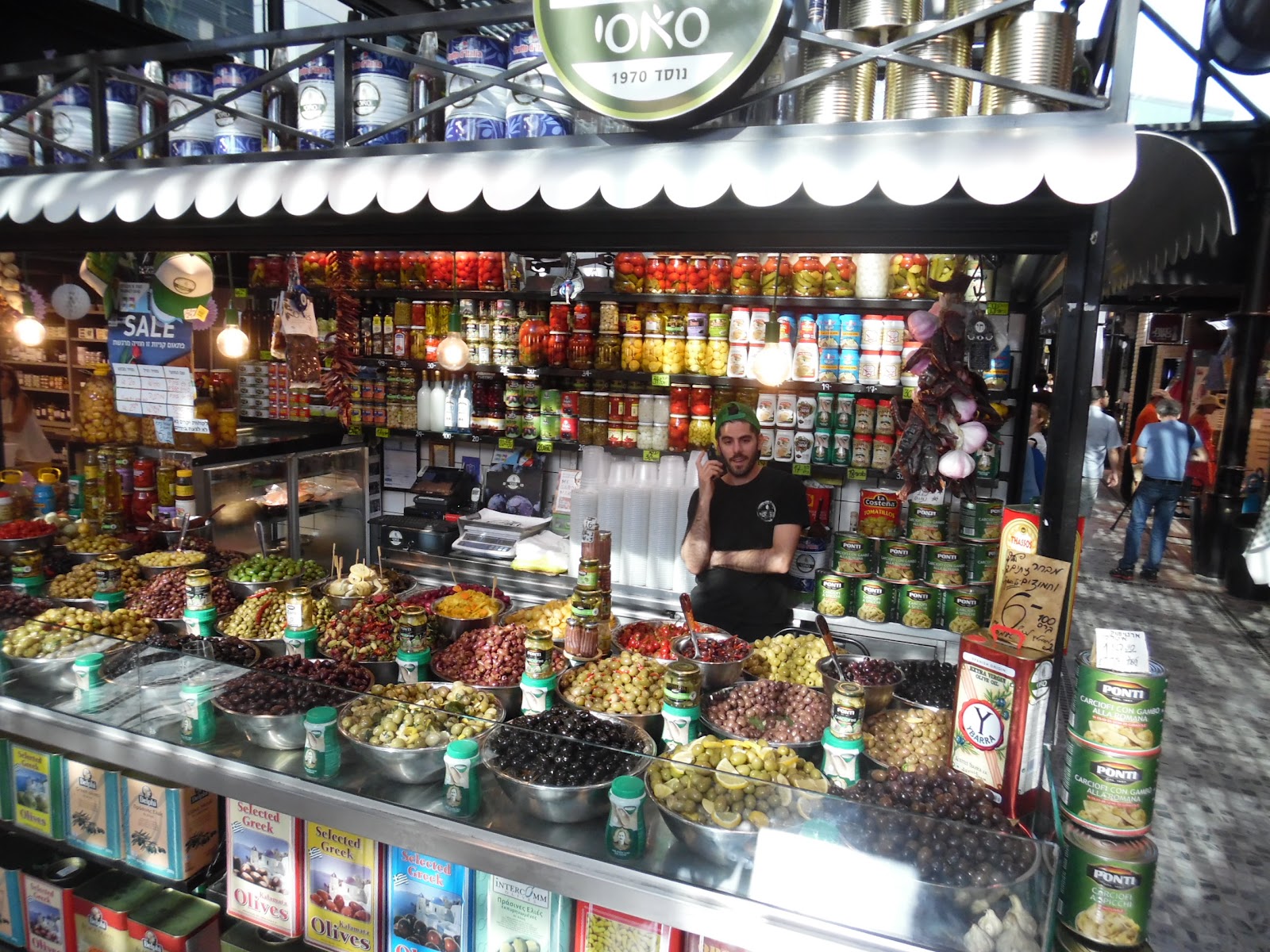
The Jewish market is called the shuk. Shops in the grocery shuk contain fresh fruits and vegetables. The picture above shows an olive stand within the market. There are also stands for fresh fruit, sandwiches, and ice cream.
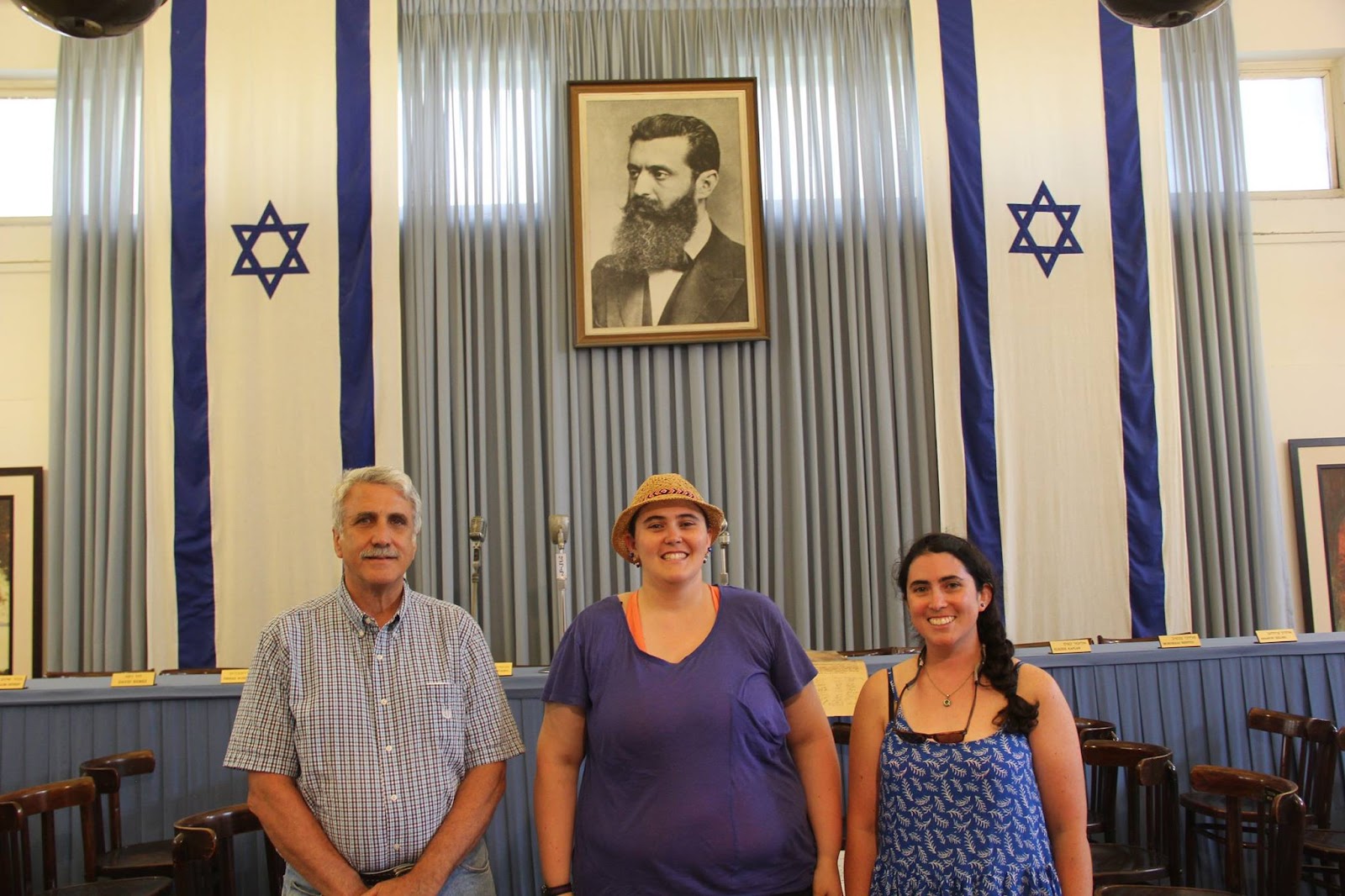
While in Tel-Aviv we will visit Israel’s Independence Hall. We will learn how the country was “born in a day.” Many amazing stories will be shared about Israel’s Day of Independence while we visit the Dizengoff home and see the room pictured above.
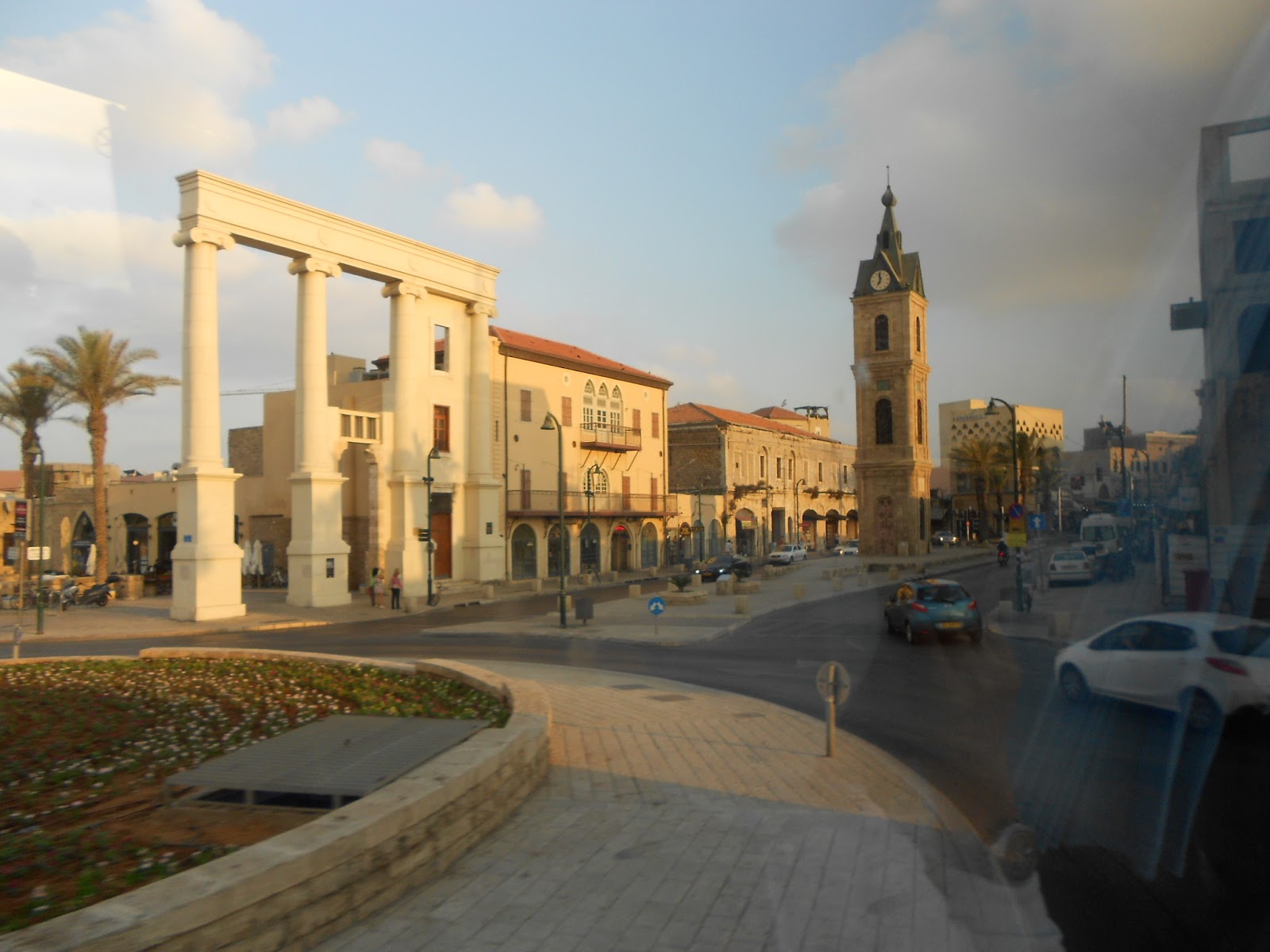
After visiting Independence Hall we will drive to the old city of Yafo. We will see the area pictured above along our route. The clock tower was built during the Ottoman period in 1900.
Old Yafo has many unique features. The historic area dates to the 19th century.
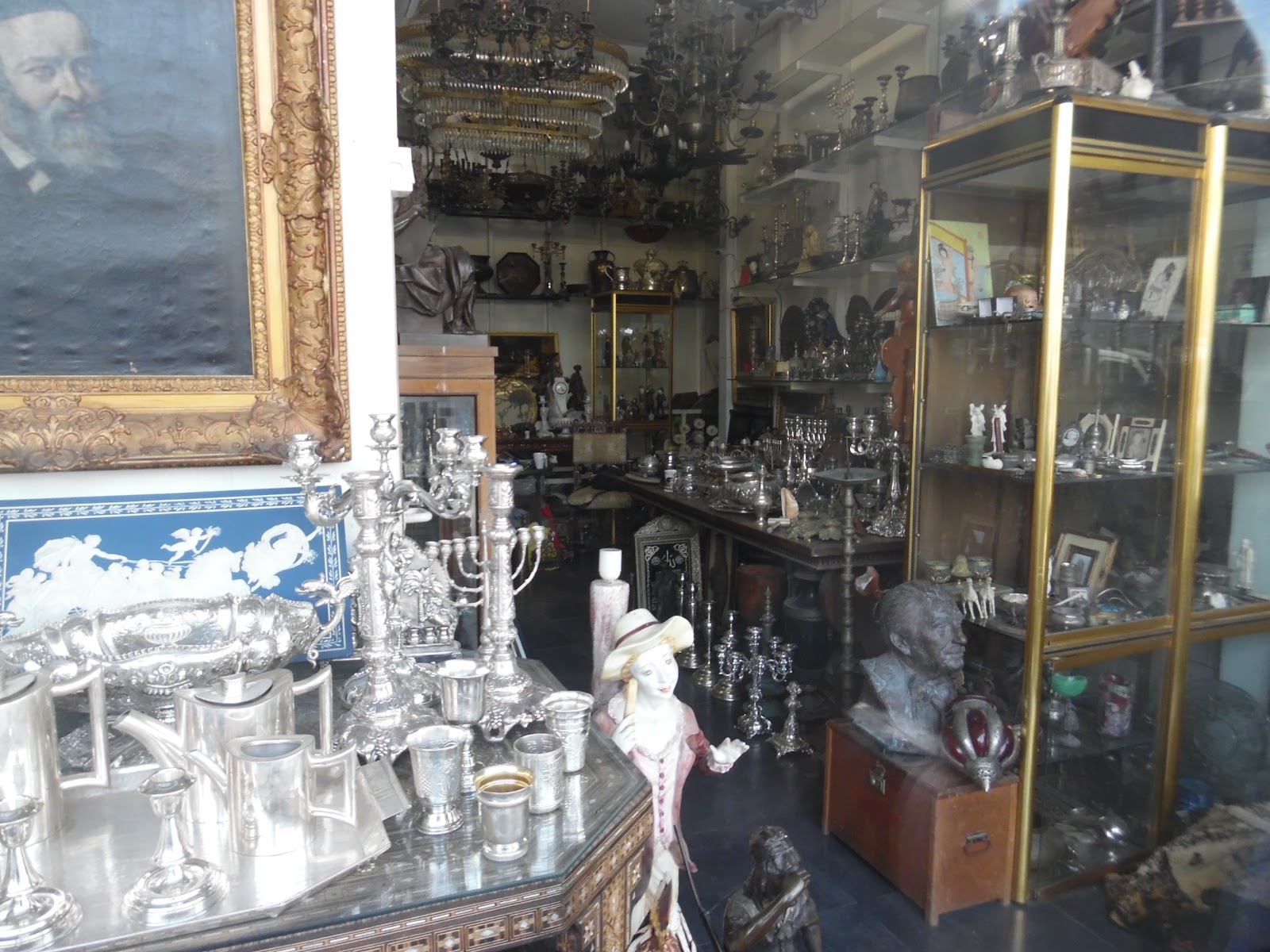
We will see local markets along the way. I bought a menorah in this shop located in the flea market district of Yafo. The shopkeeper’s name is David.
The flea markets of Israel contain many treasures. During our trip to the Promised Land we will be able to see some of the shops on the street while touring and stop in those which are still open during night walks.
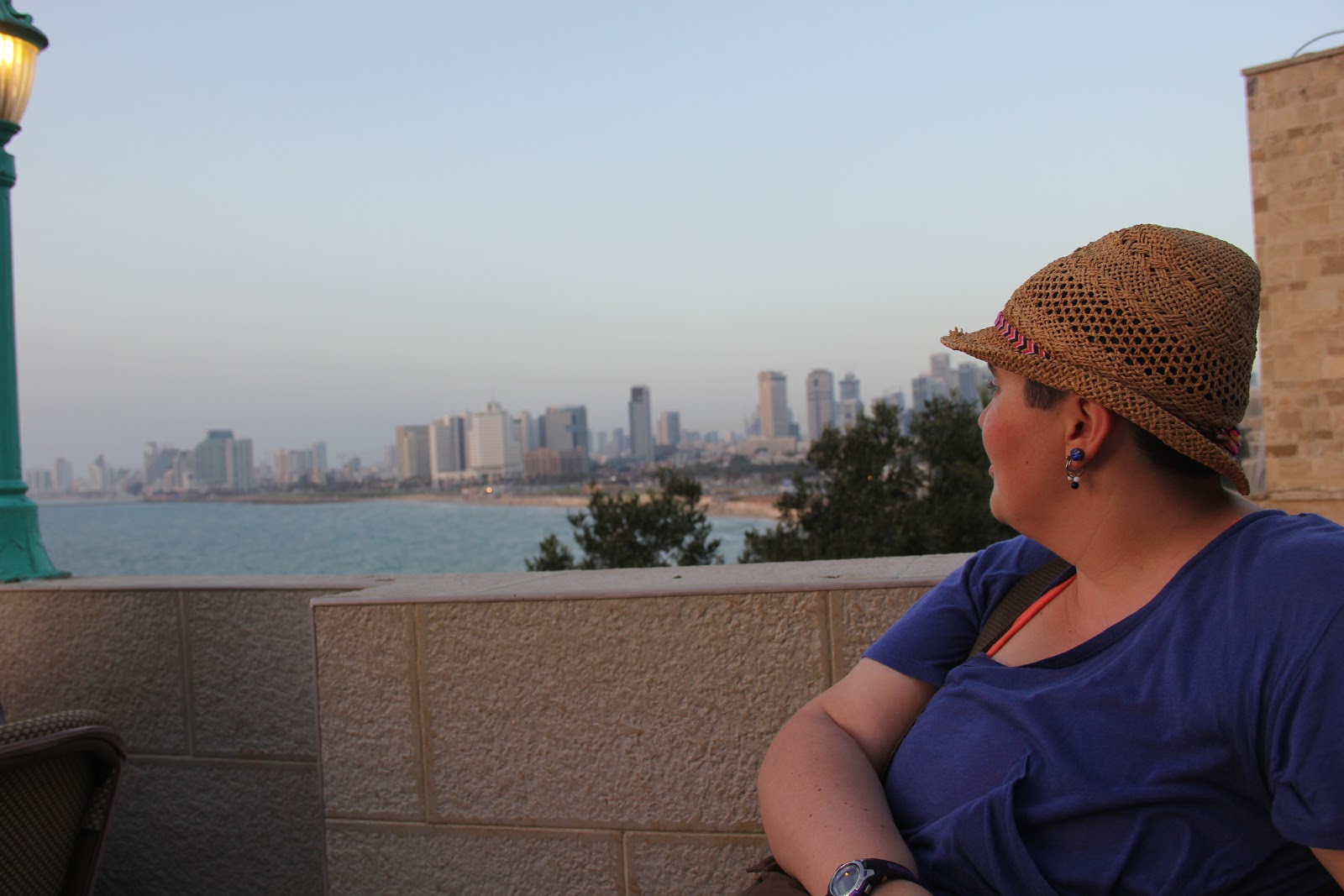
The old city of Yafo is within sight of Tel-Aviv’s modern downtown and beachfront. The old and new cities coexist together.
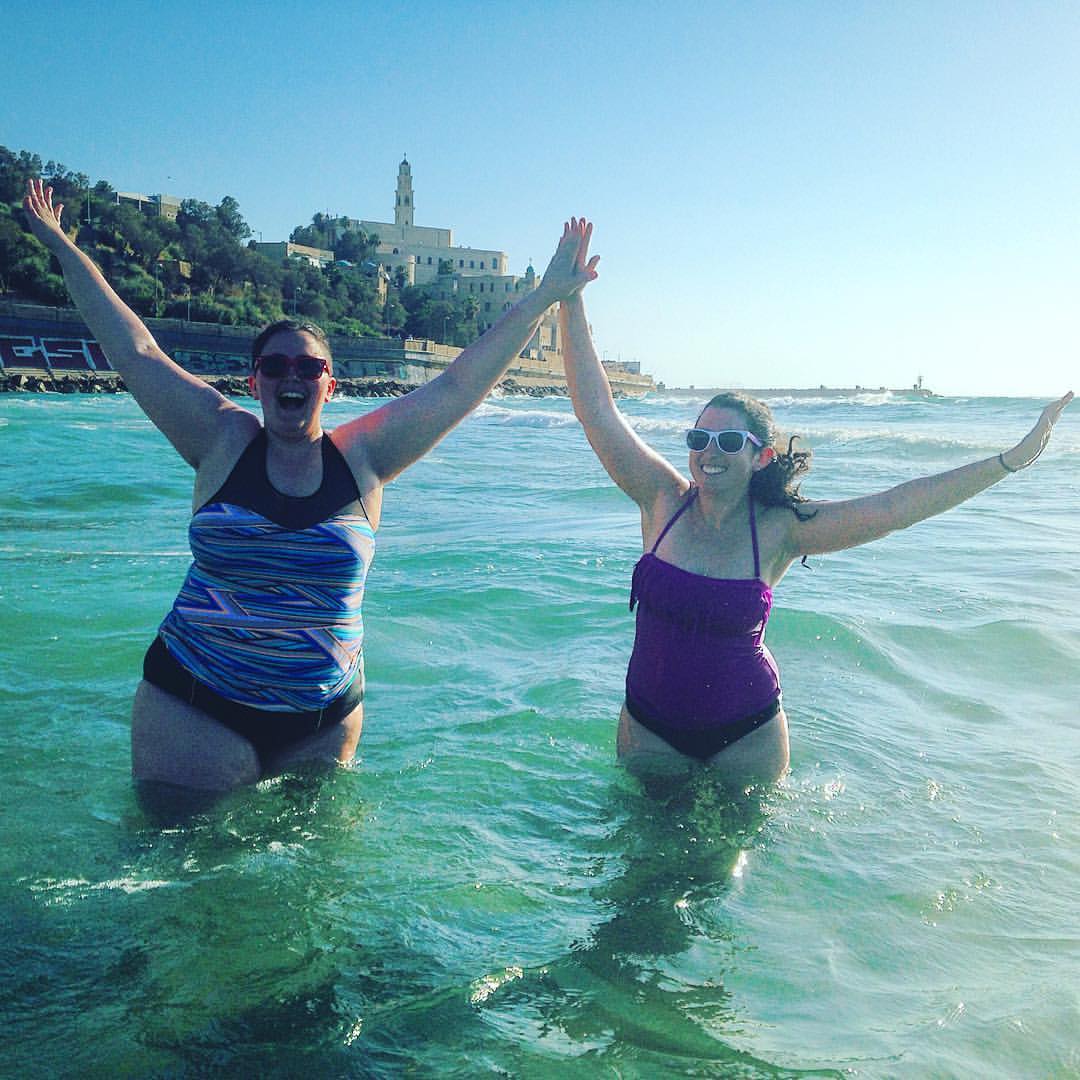
While in Israel we will have an opportunity to take a swim into the Mediterranean, take a plunge into the Jordan, float on the Dead Sea, swim in the cool streams of En Gedi and the Sea of Galilee, and slosh through the fountains of Jerusalem and Hezekiah’s Tunnel.