Showing posts with label Seder. Show all posts

Friday, February 2, 2018

A Jewish Dinner … in Church?

The title of this blog leads us to a dilemma with a long history. The Bible records that the church was started by a Jewish teacher named Jesus, who came from heaven to provide salvation for all who believe. This Rabbi taught the world about God through the context of his Jewish faith. He used the Jewish Bible, observed Jewish customs and participated in the Jewish festivals. His final meal before he died was a Passover Seder. (Mt 26:17-19; Mk 14:12-16; Lk 22:7-16; Jn 13:1)
The Last Supper of Jesus was a sit down event
Following the death, burial and resurrection of Jesus, the early disciples, who were all Jewish, began to teach the message of their Lord to the Jew first and also to the Greeks. A large number of gentiles came to believe the message of Jesus, and in time, these people called their faith in Jesus, Christianity. The early church ate a dinner similar to the Passover called the Agape Feast. (Ro 14:13-21; 1 Cor 10-11; Col 2:16; Jude 1:12)
A drama about the Resurrection
In the beginning, many Jewish traditions were followed among believers in Jesus. But as the church grew and spread to the ends of the world, things changed. A largely gentile world developed new traditions and the Jewish ways were no longer followed. By the end of the first century, Ignatius, the bishop of Antioch wrote letters to churches across Asia Minor and told them, “If any one celebrates the passover along with the Jews, or receives the emblems of their feast, he is a partaker with those that killed the Lord and His apostles.” (Letter to the Philippians 14)
Passover builds relationship with God
The celebration of the Passover as a common meal was the practice of Jesus and of the early church. Sharing this festival as a teaching in the home and as a celebration of the church fell out of practice in the second century, and as it did weakened the congregants of the church. The format of the dinner “feels strange” among people used to attending a service rather than participating in a teaching event.
Passover in the home
The church replaced Jewish traditions which sought to teach faith in the home with ceremonies developed in order to empower the bishop. People began to place their loyalties in the priest rather than God. The historic ways which were practiced by Jesus and his family in their home and community were discarded to fuel an organized religion.
Passover shared with a large group
A Passover dinner led in the traditional format (not from the pulpit), can teach a number of things to a church congregation. The dinner teaches the age old story of how God freed His people from Egyptian slavery. It displays the background in which Jesus shared His message of redemption on the very night He was betrayed. If presented correctly the Passover Seder will teach parents how to instruct their children in the faith at home, which will result in stronger and more self sustaining churches.
A Passover resource that explains everything

I have written a book to help pastors, churches and families to present a Passover Seder in its original context. I sought to re-created the meal enjoyed every year by my extended family so it could become a looked-forward-to tradition in Christian homes and churches. A Christian Passover in the Jewish Tradition will equip parents to lead the dinner at home (as it was in the time of Jesus) and pastors to model the dinner for their congregations. I have produced a $1 Kindle book so families and congregations can read along and join in the Passover celebration. My book Spring: Connecting with God shows how celebrating the Passover as families gave strength to the people of Israel. And this tradition can bring strength to churches today.

Wednesday, March 29, 2017

Jesus in the Spring

As we look out our windows in North Carolina we see that Spring has arrived. The winter chill is almost gone and flowers are beginning to come out of the ground. I love the daffodils and forsythia with their brilliant yellow color. I anticipate the tulips, azelia, fruit trees, redbud and dogwood trees. Portions of my garden are in and the entire world is coming alive around us.
Tulips in the spring garden at the Biltmore Estate
As I look out my window I think about Jesus and his disciples in the Spring. The month of March is generally near the end of the rainy season. Fields would be at their greenest and many flowers would be blooming. The barley harvest would be anticipated or occurring and farmers would be looking forward to wheat which comes in just after Passover.
Our Passover Haggadah which explains the entire Seder
The Spring festival, Passover is one of the most mentioned holidays in the BIble. Passover is mentioned multiple times in the Gospels and forms the background of many other Old Testament and New Testament passages. The Lord’s Supper was a Passover meal and the early church used these as a pattern for other meals. Jesus is considered the Passover Lamb whose blood was placed on the doorposts.
Sarah at a Doorway in ancient Katzrin, Israel
The only reference we have of Jesus during his childhood was during the Passover. Luke says, “Every year Jesus’ parents went to Jerusalem for the Festival of the Passover. When he was twelve years old, they went up to the festival, according to the custom.” (Luke 2:41-42) We know that Joseph sacrificed a lamb and Mary prepared a feast for the family. Other family members or friends probably celebrated Passover with Jesus. These Passovers turned into memorable events.
Our Spring book which shares Passover through the Bible
When Jesus’ parents left Jerusalem at the end of the Passover recorded in Luke 2, Jesus remained behind. Joseph and Mary traveled for a day before they realized Jesus was not with them (the reason can be found in Spring: Connecting WIth God), so they returned to Jerusalem and searched for three days to find their son. They found him “sitting among the teachers, listening to them and asking them questions.” This is like the wise son of the taught about in the Passover Haggadah.
A typical street in Jerusalem
John recorded another warm spring night fifteen years later when Jesus once again came to Jerusalem for Passover. John records on that night Nicodemus came to ask Jesus a question. Jesus, looking out into the spring night said, “You must be born again.”
Nicodemus asked, “How can someone be born when they are old?”
Jesus replied, “Very truly I tell you, no one can enter the kingdom of God unless they are born of water and the Spirit. Flesh gives birth to flesh, but the Spirit gives birth to spirit. You should not be surprised at my saying, ‘You must be born again.’ The wind blows wherever it pleases. You hear its sound, but you cannot tell where it comes from or where it is going. So it is with everyone born of the Spirit.”
The Sea of Galilee from Capernaum
The next year, Jesus’ second year of ministry, he celebrated Passover at the Sea of Galilee because it was too dangerous to go into Jerusalem. People gathered to hear the great teacher, and again there were questions. They asked, “What must we do to do the works God requires?” and “What sign then will you give that we may see it and believe you?” and other questions. Jesus explained to them he was the bread which came down from heaven. On that Passover, in all four Gospels, it is recorded that Jesus fed 5,000 people.
The Garden Tomb in Jerusalem
The next year, in Jesus’ third year of ministry and on his final night he once again celebrated Passover. It was spring.

Spring is a great time to celebrate the festival of Passover. The book A Christian Passover in the Jewish Tradition can guide your family or Sunday School class in this celebration. If you would like someone to lead a Christian Passover for you, please contact me.

Friday, March 17, 2017

Passover Glue

In today’s world Passover is perhaps the most celebrated observance of the Jewish people - and this is not surprising. The celebration takes place in the home, extended family is included, and the meal is a banquet. The worship element of Passover is so familiar to Jews that they can quote lines by heart, and some families have a lot of fun ad-libbing or adding their own twist to an old story. Over the years each family builds their own traditions, making Passover an occasion to which everyone looks forward.
Our Passover Haggadah with Explanations
The foundations of our modern family meal are recorded in Exodus 12-13, where Israel is commanded to select a lamb, care for the animal as a pet for three and a half days, then kill the lamb, place the blood on the doorpost, roast the animal, and eat it.
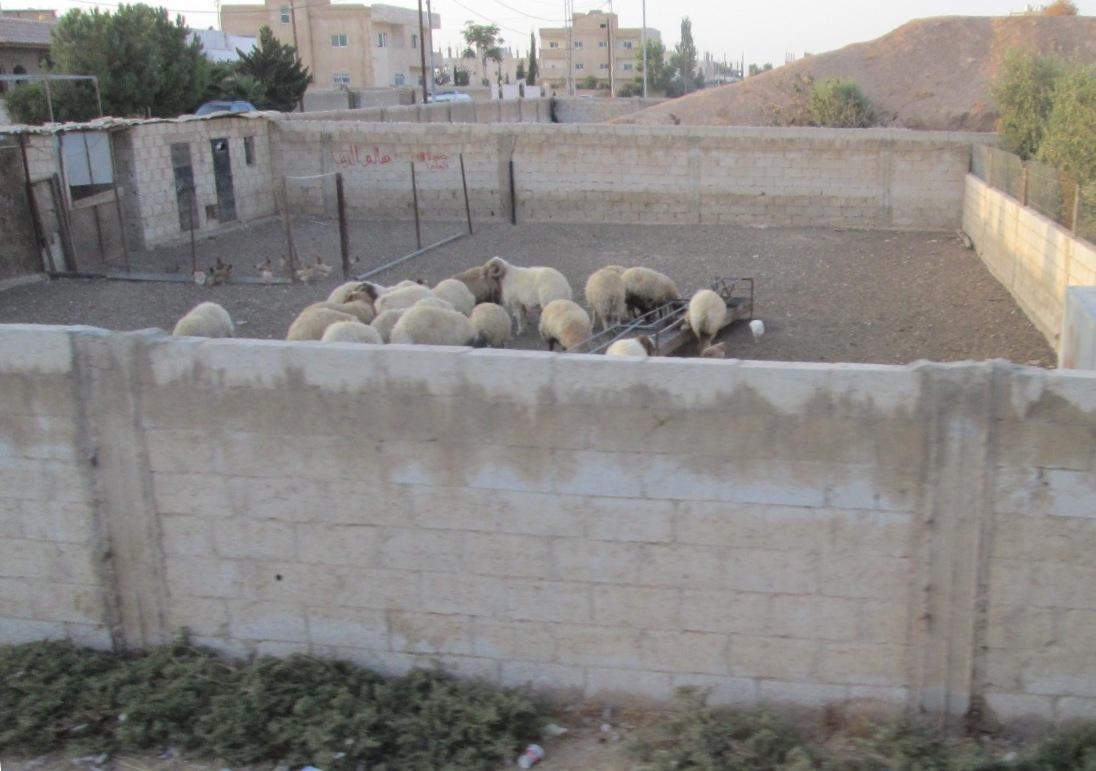
Sheep pen in Jordan
The holiday could have arisen from earlier spring harvest celebration where a thank offering was given to God with unleavened cakes cooked in oil (Lev. 7:12). The timing of the Hebrew Exodus would have called for an expansion of the event with added meaning.
Our book on Passover Backgrounds
In my book Spring: Connecting with God, I tell how the festival has been celebrated or avoided throughout Biblical times. What began as a home celebration became a Temple activity, for which tens of thousands of people each year made the pilgrimage to Jerusalem, after Solomon built the worship center. (By the time Jesus was alive, millions of people were visiting the Temple Herod had renovated.) During the Babylonian exile the practice returned to the home, and is part of what kept the Jewish faith alive. Ezra reinstituted the Temple practices, which continued to be observed, and eventually were held by Jesus and his family.
Great spot for a picnic on the Mount of Olives
The New Testament gives various hints that people looked forward to Passover as an annual event. Entire communities would travel together and camp inside or on the outskirts of Jerusalem. Jesus’ family probably camped near the base of the Mount of Olives, atop which he later prayed the night before he was crucified. Families from the Galilee were able to meet together with families who lived in Judea. This is why Mary was so familiar with her relative Elizabeth. People in Biblical times enjoyed the week-long opportunity to take a break from the regular routine of life and live in a different setting.
Dome of the Rock where the Temple once sat
After the Temple was destroyed in 70 A.D. many of the Jewish holidays lost meaning, yet Passover grew in importance. Holy days such as Yom Kippur (the Day of Atonement) and Shavuot (the Feast of Weeks, or Pentecost in Greek) are based on the existence of the Temple for sacrifice and receipt of an offering. Chanukah (the Feast of Dedication or Winter - if you’ve read your gospels well, you’ve seen this terminology there!) became a day of mourning because the Temple sat in ruins as it had been during the destruction of Antiochus Epiphanes. Sukkot (the Feast of Tabernacles) remembered the journey from Egypt toward Israel, particularly the long years living in booths in the desert. The festival of Pesach (Passover) took on added importance as the Jewish people prayed once again that an evil Pharaoh (ruler) would be removed and they would be granted another exodus to their homeland.
A Home Passover Celebration in Saluda, NC
The elements of families coming together and dining at a banquet, the prayer for the restoration of Jerusalem, and the retelling of the ancient story built Passover into a favorite holiday. During the Middle Ages, European Jews developed ornate Haggadot in order to aid the head of the household in remembering from year to year how to share the elements of faith and tell the story. These books also reminded a literate society of how they were to participate in the telling of the story. Rabbis reinforced family gatherings for Passover in order to bolster Jewish identity within the scattered communities of Europe.
My family getting ready for Passover
Today’s Jewish families still gather to remember the ancient story, to pray for Jerusalem, and to strengthen relationships with each other and with God. My family went to Uncle Stuart’s home for the holiday. I still remember fun activities with my cousins as our parents talked and cooked together. I also remember much of the liturgy shared from the Chase & Sanborn Coffee Haggadah. My cousins and I carry many memories from these times together.
Other memories have been created over the years as my sister and I created a spontaneous Passover from memory (because we were unprepared, the shankbone was a milkbone biscuit!), Seders I have put together to teach friends in college and seminary, meals of the Jewish community in Louisville, KY, and celebrations with my wife and daughters add to the yearly Seders I remember. Presentations of the Seder given to churches have also provided fun stories (like the time I wore one black and one brown shoe). These happy memories build faith and family.
Passover Seder Plate

The Passover celebration has provided a glue for Jewish society. The elements of faith celebrated in the home with extended family and a lot of fun could help Christians in today’s world. We live in an era where we are letting life (work and school) swamp our time at home. We are letting the “experts” at church direct our faith. Worship is becoming more and more leader-led and non-participatory. Children are separated from parents so they can have “fun,” which dilutes historic religious teachings because they are perceived as “boring.” In this process family memories have been displaced and the Christian faith becomes ever more secular…and lost.

Wednesday, March 1, 2017

Worship Around a Table

Not once, but at least twice in ministry I watched as people rejected the opportunity to worship around the dinner table. The first was in the Midwest as our church planned a Passover Seder for the entire congregation. On the day of our event only one-third of our normal attendance participated. The pastor asked several people, “Why?” The response was, “Because it is an Old Testament observance and we are a New Testament church.”
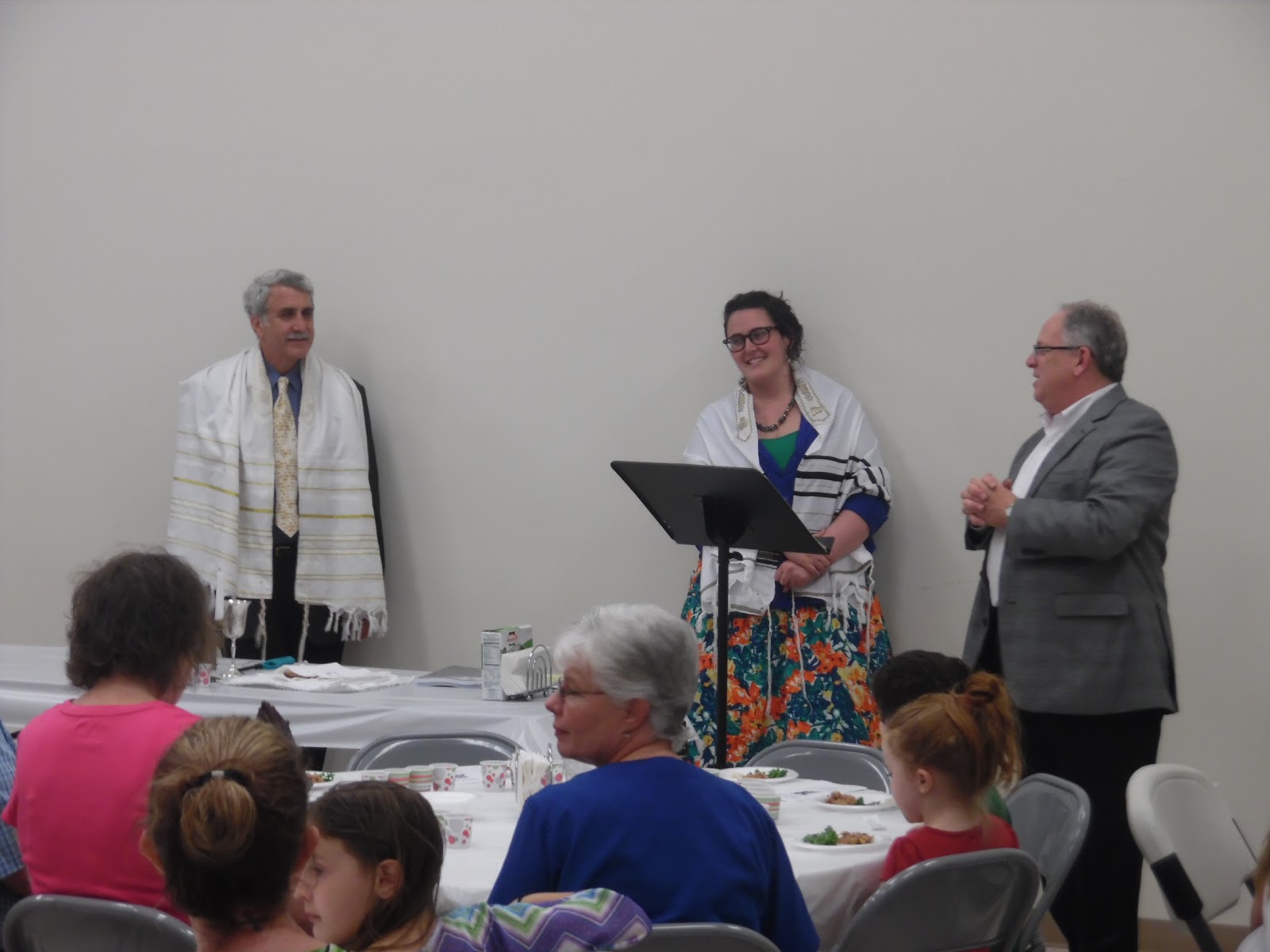
Church Seder in Lousiana
On the second occasion a man invited his five children and their families to celebrate the Passover with him in his home. Three of the children stayed home with their families because worship belongs in the church and not the home.
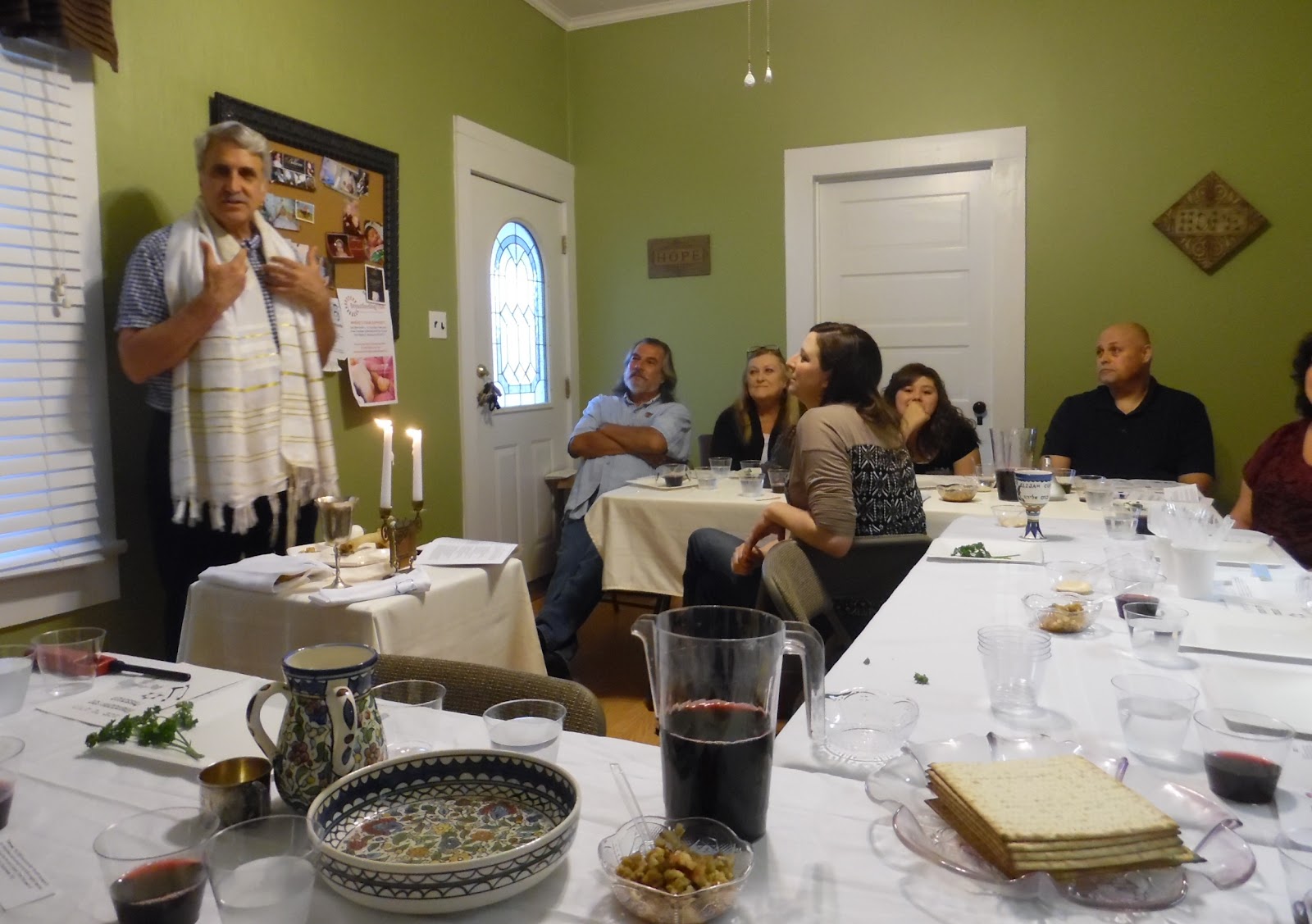
A small group Christian Passover
The people who were absent not only missed an opportunity, they were missing key components of the teachings of Jesus. These faithful Christians should have understood. The Last Supper of Jesus was a Passover meal which occurred in a home and not the church. And Jesus told his followers, “As often as you do this, do this in memory of me.” We are to continue to participate in the communion service around the dinner table.
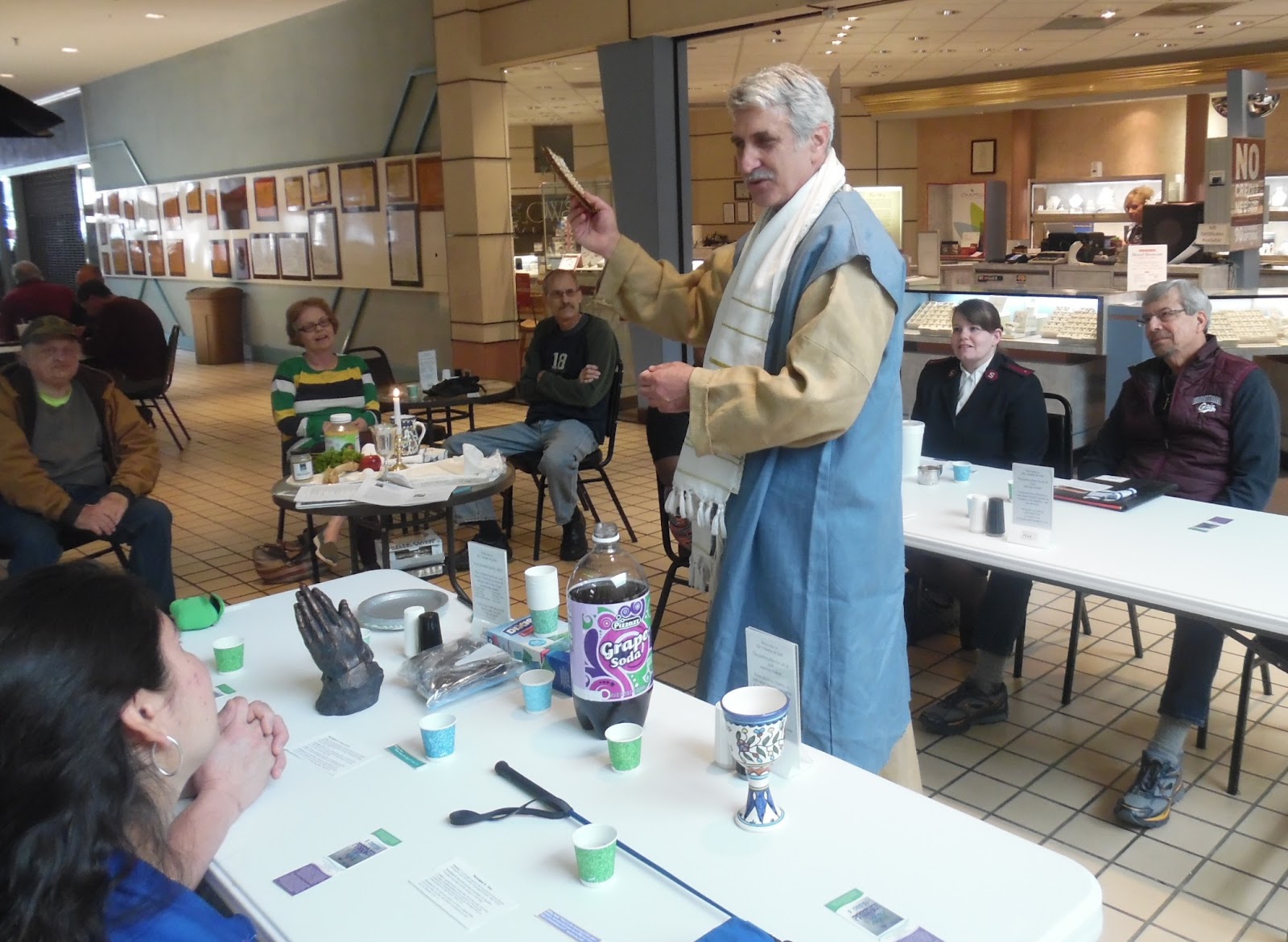
Celebrating Passover at the Shopping Mall
The early church understood this practice. The original disciples, 120 believers gathered after Jesus died in the upper room. After Pentecost Luke tells us, “They broke bread in their homes and ate together with glad and sincere hearts, praising God and enjoying the favor of all people. And the Lord added to their number daily those who were being saved.” (Acts 2:46-47)
Re-enacting the Last Supper
Jesus taught by example, he continually met people for worship at meals. He ate with Levi, Zacchaeus, and Simon the Leper, The only miracle recorded in all four Gospels involves Jesus teaching and then feeding over 5,000 people.The Pharisees questioned Jesus about eating with tax collectors and sinners. Jesus answered them, “It is not the healthy who need a doctor, but the sick.” (Mt 9:10) Even after he died Jesus met to teach two men on the road to Emmaus and also the Disciples in the Upper Room and on the beach.
Emmaus in Israel
Jesus taught us to worship around the dinner table because the home provides the ideal environment. Many people set the tone for spiritual things by praying before meals. Diners are relaxed and put down their guard. Around a meal talking is normal and people will take time to listen.
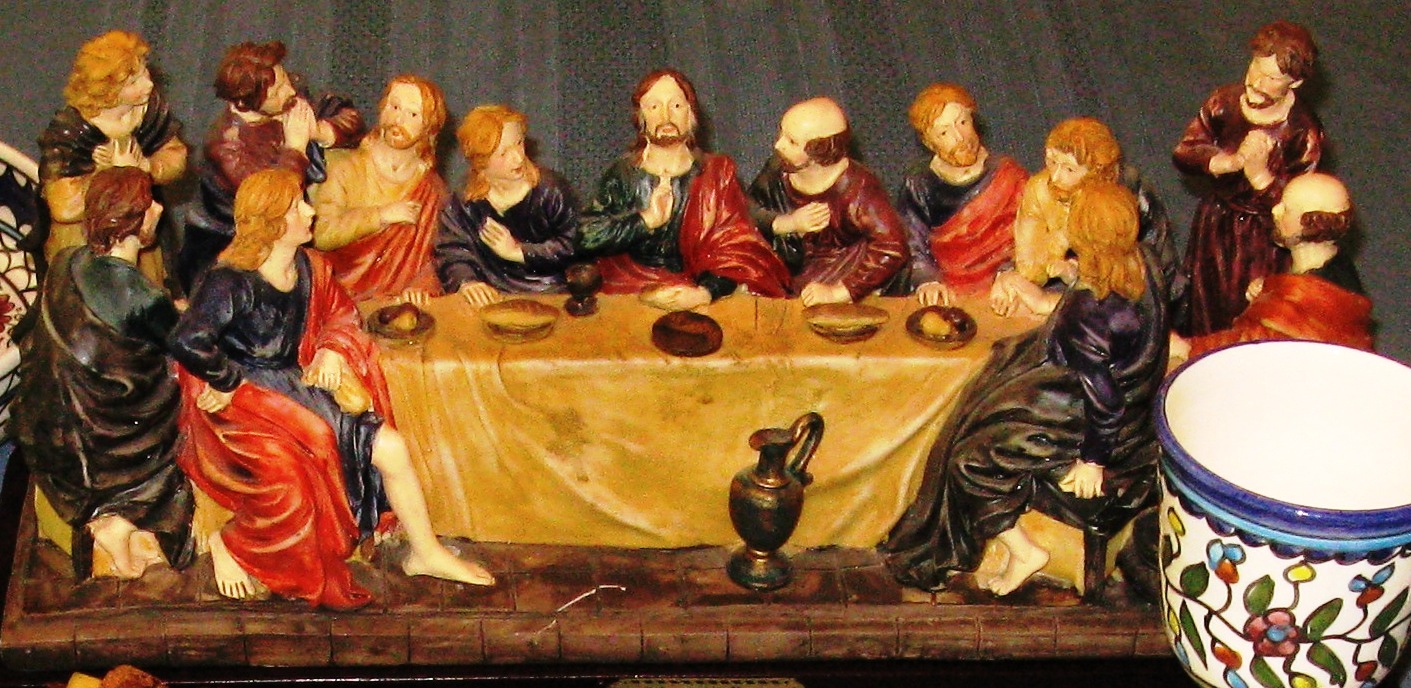
The Last Supper of Jesus
Jesus actually learned this practice from the Old Testament and saw it rehearsed in his home regularly. The Jewish people have a Sabbath observance every week. A holy meal is part of the Feast of Tabernacles, Passover, Shavuot and Rosh Hashanah.
Communion and Passover together
Moses taught us to celebrate meals around the table. He said to talk about the law “when you sit at home and when you walk along the road, when you lie down and when you get up.” (Dt 6:6) He added, “when you eat and are satisfied, be careful that you do not forget the Lord.” (Dt 6:28) He wrote in Deuteronomy 12:7, “You and your families shall eat and shall rejoice in everything you have put your hand to, because the Lord your God has blessed you.” The family that prays and dines together stays together.
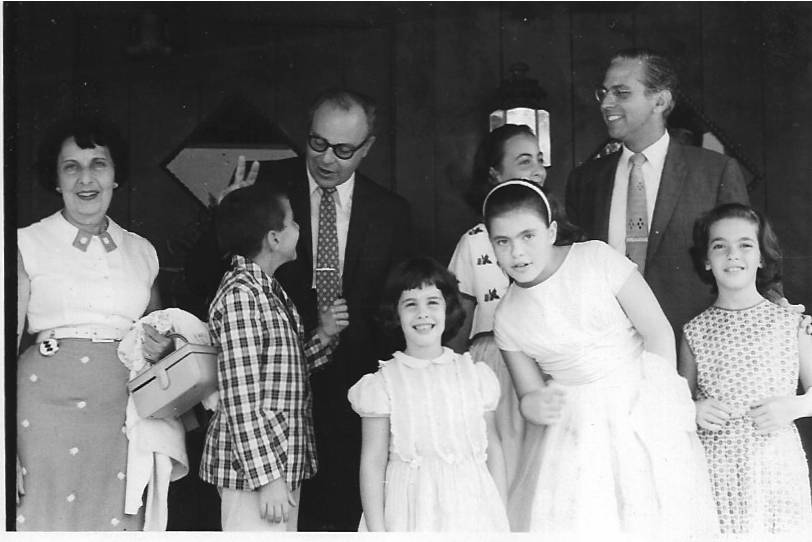
Ready for our family Passover Seder
The Passover meal is an ideal example of what an ornate supper can become when celebrated annually. The father (not the professional clergy) teaches his family the historic story of God’s mighty acts through an unforgettable method. Participants listen to, read aloud, act out, taste and see the story as it unfolds. Each person feels the movement from slavery to freedom. And every person who has participated in this festivity for several years can quote lines from the Seder.
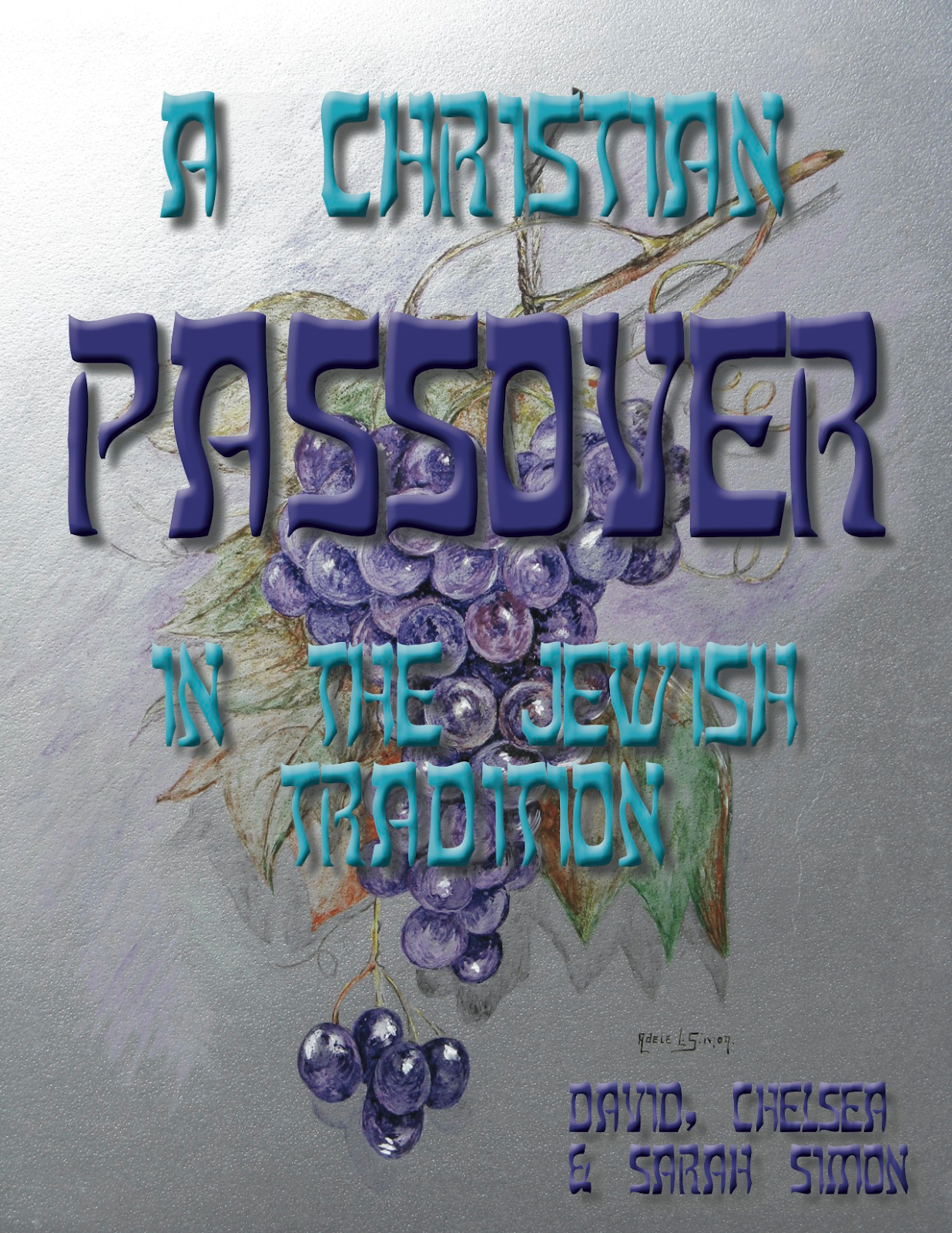
Haggadah with explanations, a great resource for the leader
One section of the Seder shares the lesson on the four sons. This lesson originates out of four passages in the books of the law. The first son, the wise son asks the father to tell him the meaning of the stipulations, decrees and laws the Lord our God has commanded.” (Dt 6:20) He is rewarded with commendation because of his desire to learn. The wicked son asks, “What do these things in which you are engaged mean?” He is wicked because he does not desire to personally participate. The simple son asks a simple question and gets a simple answer. (Ex 13:14) The leader of the Seder meal then tells all the participants that we are to tell the story even when a question is not asked.
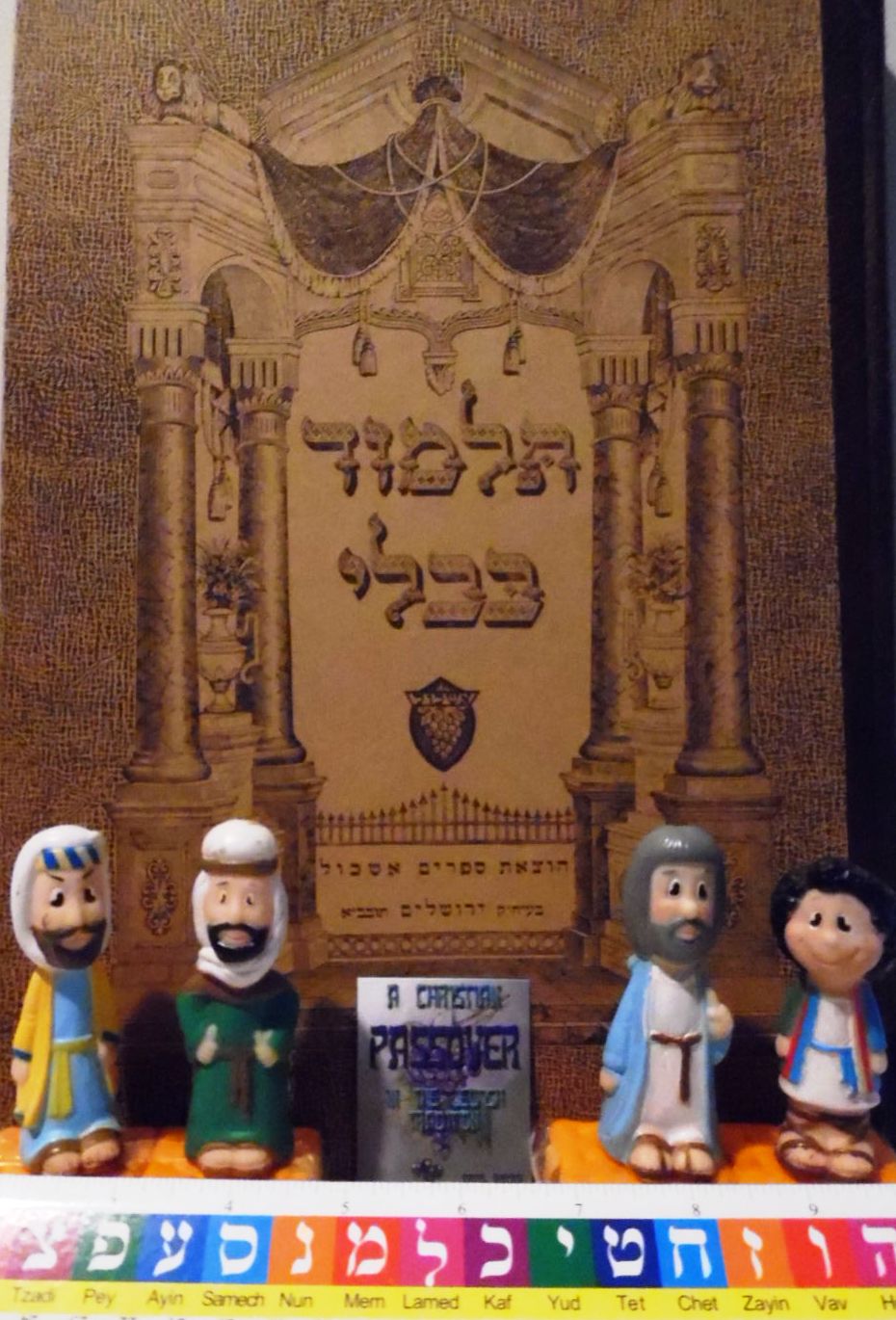
The Four Sons with their favorite Passover guides
We live in a generation when church attendance is decreasing, families are falling apart and crime is on the rise. Perhaps the reason for this plight is that we do not honor the age old command of the Lord to spend time in our homes teaching of His love. This includes weekly meals on the Sabbath, meals on special occasions, and telling of God’s love at home as often as we can.

Spring shares Passovers throughout the Bible - a great read!
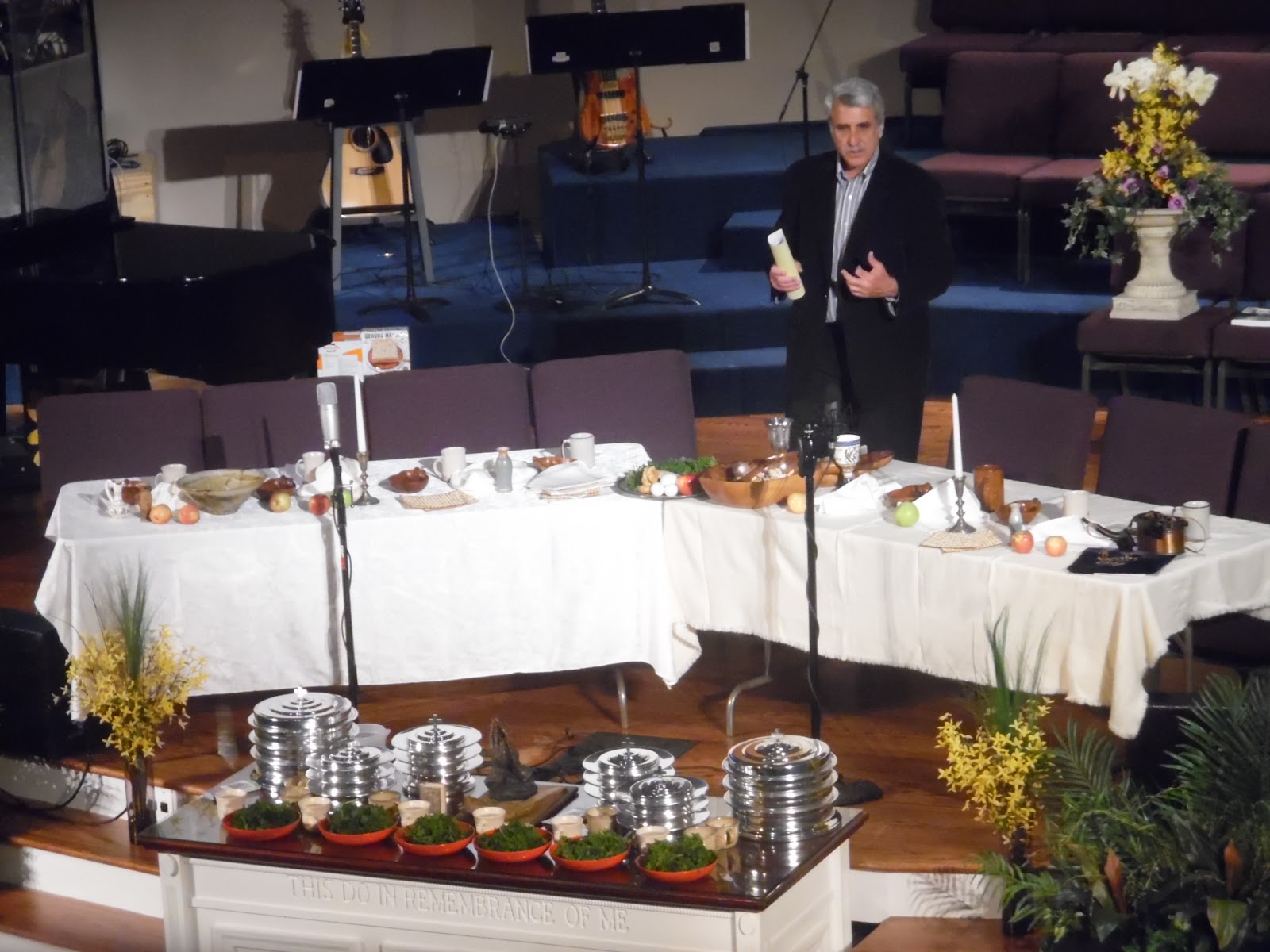
The Passover is but one example of a meal. I try to share this idea every time I lead a church in a Seder Service. If you would like to host a Passover or have a speaker talk about building the spiritual faith of the family around the meal, please contact me. If you would like to lead a Passover yourself there are some excellent resources available including A Christian Passover in the Jewish Tradition.
Friday, February 24, 2017

Spiritual Preparation for Passover

The method of modern dining takes many forms. Some meals are eat and run event. Other meals are eaten with family in front of the Television. For most the time honored tradition of dining at a table without distractions and interruptions is a thing of the past.  The ritual meal which plans for and expects God’s presence is a relic which has been forgotten in contemporary settings.
Seder Plate at Passover
With the exception of our Thanksgiving meal most people have tossed time consuming meal preparation and environmental atmosphere setting as too laborious and unnecessary. The removal of intentional sit down suppers has created a void spiritually and socially within families and the fabric of our society.
Our Passover Haggadah with explanations
The Passover Seder is an intentionally spiritual meal. Them family is to select a lamb, which is a gift for God and give special care to the animal for three days. Then they kill the animal, take some of the blood and put a sign for God on the doorposts of their homes. Preparation for the feast begins before the meal.
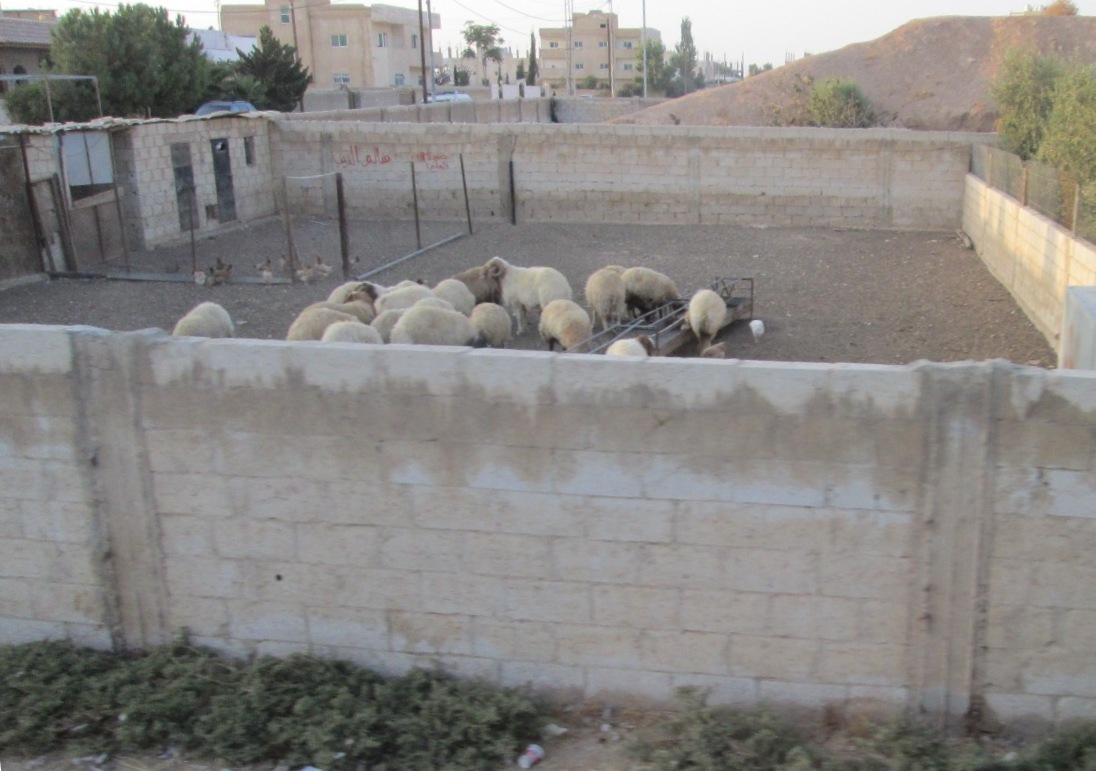
Sheep Pen in Jordan
As the family sets up their meal more spiritual preparation takes place. They are to prepare to leave Egypt in haste as they eat their supper. The Hebrew people are about to become pilgrims of the desert who are completely dependent on God. They are also to eat only unleavened bread for seven days restricting the most basic of all foods, bread, to a just barely food item.
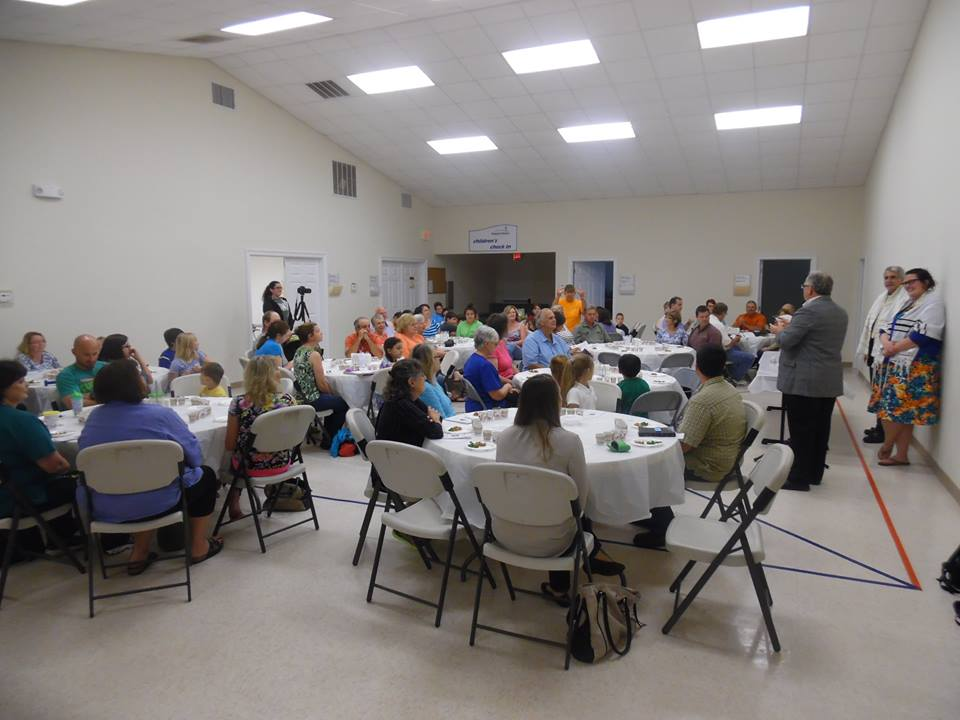
Sharing the Passover at Central Methodist, Mooresville, NC
The Lord told Israel, “when your children ask you, ‘What does this ceremony mean to you?’ then tell them, ‘It is the Passover sacrifice to the Lord, who passed over the houses of the Israelites in Egypt and spared our homes when he struck down the Egyptians.’” (Ex 12:26-27)
Sharing the Passover in New Orleans
The Passover dinner is to be a time for meeting with God. From the beginnings of preparation to the conclusion of the Seder this event is to teach about and celebrate God. At times I see advertized a thirty minute, or a fifteen minute Haggadah. But these are too brief and miss the point. To shortchange Passover would be the same as to skip a Sabbath meal to spend the evening shopping.
A Skit during the telling of the Passover Srory
When I lead Passover Seders in churches one of the things I offer them is a seven day plan for spiritual preparation. Only a few people have participated in this opportunity. I feel I must offer it anyway because God desires growth in our lives, even if this takes self denial. The Lord desires we live a better life, not a pampered life.
Wine Glass and Sabbath Candles at Passover
The Seder service is built on understanding the multitude of ways God has cared for us so we can give thanks and praise. The service begins with thanks, and then proceeds to share with us what life was like during Israel’s days of slavery. As the Seder progresses participants move from physical concern to spiritual cleansing. This is shown through the two hand washings of the evening. The first is to clean hands, the second is to clean the heart.

As we approach the Passover season, I ask how you will grow spiritually this season. How will you bring the annual Seder from placement as an annual event to being a springboard to a closer relationship with God.

Friday, February 10, 2017

Preparation for a Passover Meal

Passover is a unique event which most churches have yet to discover. Communion, the Lord’s Supper and Eucharist originate from a section of the Passover celebration. The teaching of the Jewish people shared during the Passover can add great understanding to the meaning of the bread and the cup which Christians share regularly.
Most churches have never had a Passover Seder demonstrated for them, and therefore fear what this event might bring. The event is not designed to make people “more Old Testament,” convert Christians to Judaism, or to pull them away from their current church. The program is designed for people to have a better understanding of their own faith. The first step to preparation for a Passover Seder is to contact someone who can lead this for your church. If your church would like a Passover Dinner, click this link.
The desire to celebrate the Passover as a supper is worthy for a church because when Christians come together with one heart and mind in this expanded format of the Lord’s Supper they gain a larger picture of the event and grasp a fuller understanding of the meaning behind the bread and the cup. The story told during the Passover sets up a dialogue on how the freeing of the Jewish people from slavery and liberation from bondage to sin enable a believer to take their first steps in a journey with the Lord God.  Bringing the dream of a community dinner around the Passover observance is the first step in preparation for a church Passover meal.
The next steps get more practical, like what day should the event happen, who should lead the event and who should be invited to the Passover. For a large group the event needs to be calendared in advance and personnel enlisted for shopping, publicity, cooking and cleanup. A list should be made of the group selected for participation. This can be a family, a fellowship group, or the entire church. In the spirit of evangelism people from the community (probably people who are not Christians) should be invited to the event. Mailing lists, facebook posts, twitter feeds and e-mails with blogs and information should be planned and sent as scheduled. Personal invitations always build a larger and more complete participatory group.
For a church there are several ways to do a Passover presentation. For those who just want to get their toes wet, a speaker could be invited to give a presentation during the time of the sermon. The serving of the Lord’s Supper could be a part of this presentation. I personally think a great deal is lost when Passover is placed in the foreign environment of a church presentation with no personal involvement.
The original Passover was shared in the context of a meal. For us this meal was “no skimping” (except for bread) a full supper like a Thanksgiving dinner. A church or fellowship group must decide what type of meal they want and how it will be prepared. The two most common ways to prepare a meal are to organize a “covered dish” event or to enlist a cook for the meal. The Passover can also be held at a restaurant or as a catered event.
The two things I ask people to avoid during Passovers I lead are bread and pork products. To avoid bread or leavening is part of the teaching of the Passover. Tradition says the Jewish people left Egypt in such haste they did not have time to let their bread rise. Matzoh, an unleavened bread is served in place of our normal staple. The Jewish people replace traditional flour with Matzoh meal during the seven days of the festival. We know for a fact that Jesus would have done this.
One preparation for Passover which I all too often forget are the printed programs. During the home Seder a booklet called a Haggadah is given to each participant. These booklets are read during the meal and parts are given to different individuals. Participation adds to the festival and is part of the reason this celebration is much more effective around the dinner table than in an auditorium. I have published a participant's Haggadah available on Kindle for a very low cost.
I am a big believer that people can receive more benefit from activities by advance preparation. I have outlined in this blog post several areas to help people prepare for a Passover Seder. On February 20, I will detail some things which need to be on the table during a Passover celebration. These can be found in my book “A Christian Passover in the Jewish Tradition.” Most people who regularly lead Passover Seders will walk groups through practical preparation for a small group or church event.
The one area of preparation many people forget is in all probability the most important, spiritual preparation. The Jewish Rabbis of the first century gave great attention to preparation, I think because practical preparation for Passover leads to prayer which is the keystone of spiritual preparation. I will write more on spiritual preparation in a blog to be published February 24. I have published seven previous blogs to prepare for Passover. These are available for free  beginning with a March 8, 2015 blog (to view click here).

I can not emphasize enough the spiritual growth and understanding which comes through participation in a traditionally (or Messianic) observed Passover Seder. I will be glad to help you set one up, contact me for help or if you have questions.