Showing posts with label Lent. Show all posts

Friday, March 15, 2019

Spring: Connecting with God

     Praise the Lord, my soul.
     Lord my God, you are very great;
          you are clothed with splendor and majesty.


     In North Carolina, Spring is finally here. We have enjoyed, and will have enough days in the 60’s or above, along with frost free nights, that I have planted kale in the garden, and will trust the Lord for its growth (and the wire fence to keep the rabbits out, which I know observe hopping around!)
     This is the season God puts on a full display of beauty. The forsythia and daffodils are in full display with yellow coloring, early annuals are blooming and I have a camellia still showing its colors. Cherry trees are budded out and my redbuds have begun to pop, and there are other flowers which will soon show their colors.
      The weather outside goes from cloudy to sunny. Last night was a display of thunder … God’s power. Today is cloudy, yesterday overcast, tomorrow will probably be sunny. Every day is new and fresh, and the temperature is about perfect.

     He makes the clouds his chariot
          and rides on the wings of the wind.

     In the spring (and any time of the year) it is appropriate to give praise and thanks.

Spring: Connecting With God
     In the past week, I attempted an experiment. I brought flowers and left them at desks of people I see on a regular basis. One person put their flowers in a vase and displayed it. Two others totally ignored the flowers, one brushing them aside (because I put one flower on the keyboard), and was busy typing. It always amazes me when people brush aside the things of God and ignore, without so much as a look. Are we really like that with the things of God?
     We want God to answer our prayers, but we totally ignore the part of the relationship called Praise. We also often ignore Thanksgiving. Both are important aspects of our prayer life.

     He makes the clouds his chariot
          and rides on the wings of the wind.

     God wants us to notice! Especially this time of year, when everything goes on display.
     And then there are the festivals.
PURIM - a season of thanksgiving for God’s rescue of His people
PASSOVER - again a time of thanksgiving for God’s rescue
GOOD FRIDAY - ditto … Let us give thanks to God for what has been done!
     Jesus said, “Very truly I tell you, unless a kernel of wheat falls to the ground and dies, it remains only a single seed. But if it dies, it produces many seeds. Anyone who loves their life will lose it, while anyone who hates their life in this world will keep it for eternal life. Whoever serves me must follow me; and where I am, my servant also will be. My Father will honor the one who serves me.” (John 12:24-26)
EASTER - more than Easter lilies, God conquered death, and gave life
     “I have come that they may have life, and have it to the full.” (John 10:10) God takes care of us like a shepherd, and leads us to green pastures (Psalm 23).

     How many are your works, Lord!
          In wisdom you made them all;

     This season, let us take time to give thanks … and let us take time to bring thanksgiving to the heart of others. 

     May the glory of the Lord endure forever;
          may the Lord rejoice in his works—

      The book - Spring: Connecting with God is about our relationship with God, noticing. I would commend it to you at this time of year. It is available in paperback, on kindle, and it can be read for free through Amazon Prime.

Wednesday, March 1, 2017

Worship Around a Table

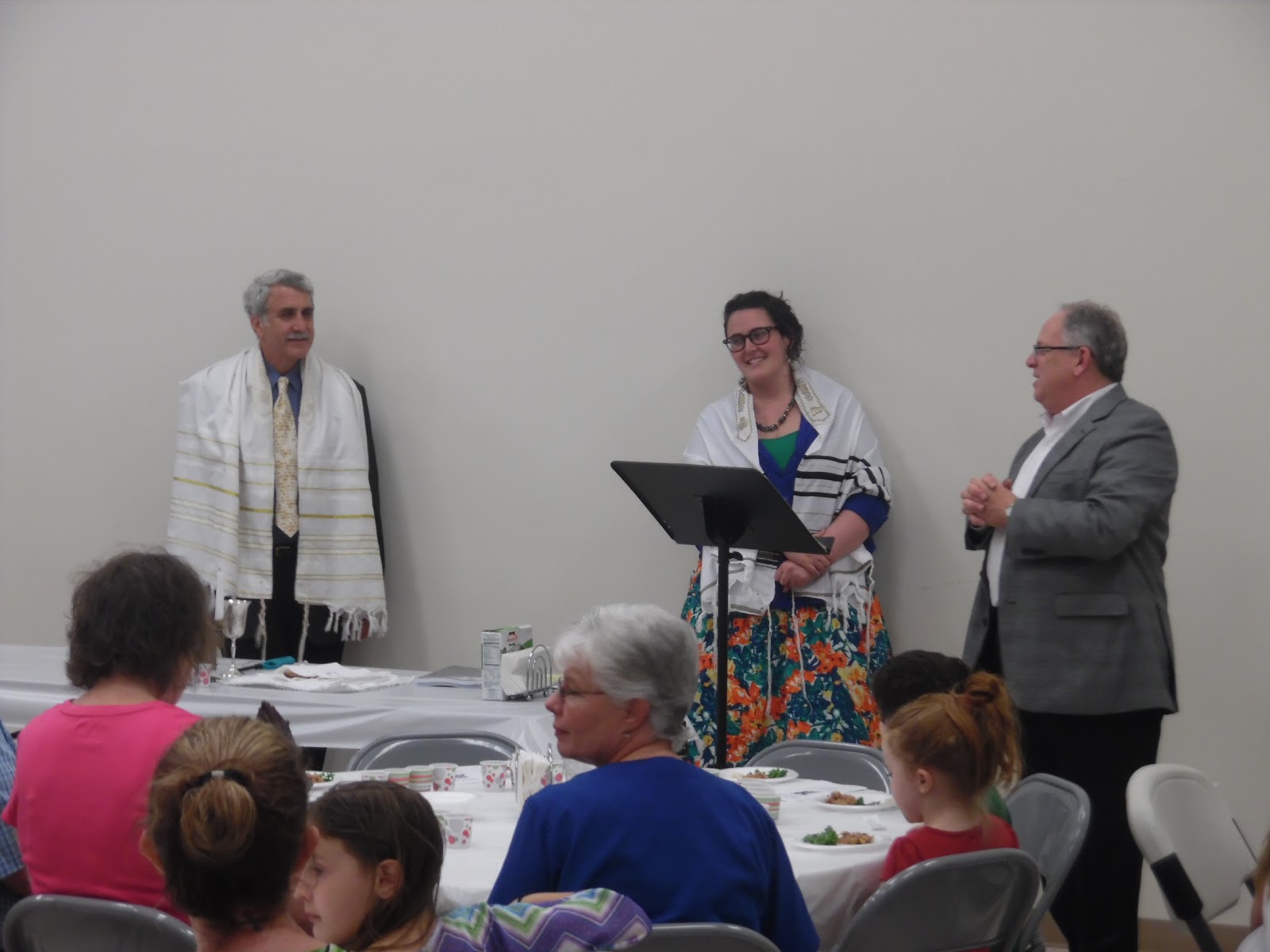
Not once, but at least twice in ministry I watched as people rejected the opportunity to worship around the dinner table. The first was in the Midwest as our church planned a Passover Seder for the entire congregation. On the day of our event only one-third of our normal attendance participated. The pastor asked several people, “Why?” The response was, “Because it is an Old Testament observance and we are a New Testament church.”
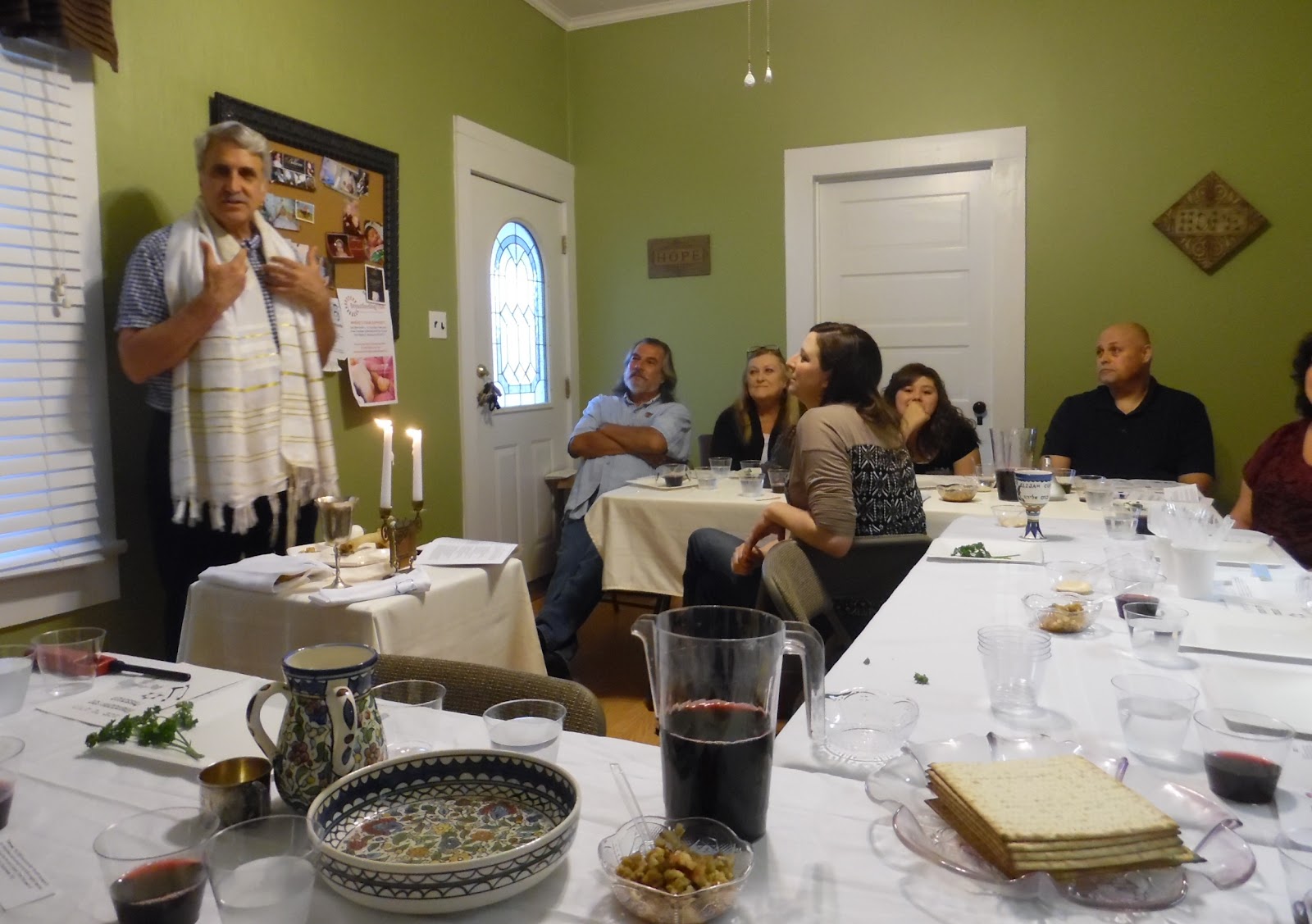
Church Seder in Lousiana
On the second occasion a man invited his five children and their families to celebrate the Passover with him in his home. Three of the children stayed home with their families because worship belongs in the church and not the home.
A small group Christian Passover
The people who were absent not only missed an opportunity, they were missing key components of the teachings of Jesus. These faithful Christians should have understood. The Last Supper of Jesus was a Passover meal which occurred in a home and not the church. And Jesus told his followers, “As often as you do this, do this in memory of me.” We are to continue to participate in the communion service around the dinner table.
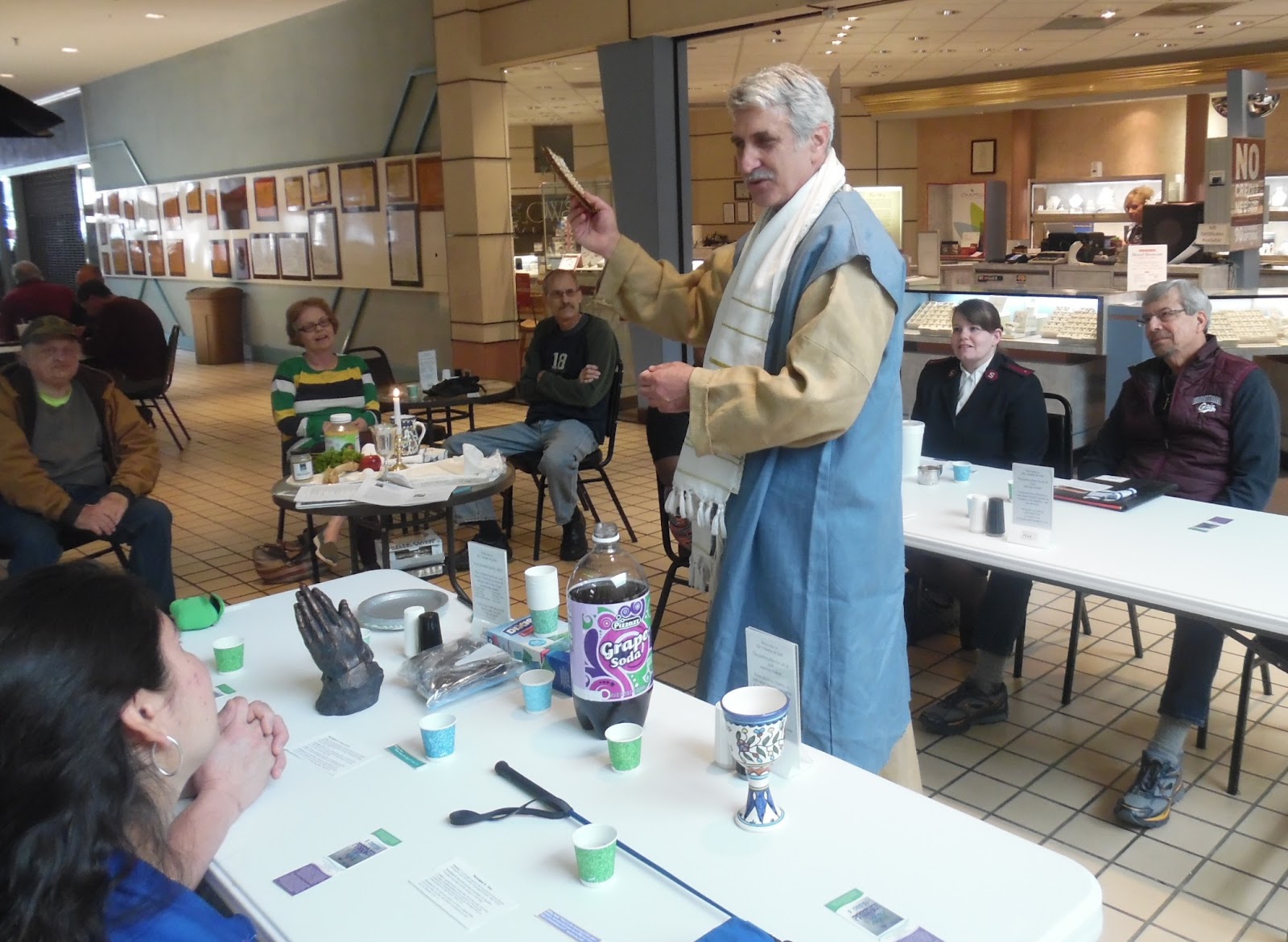
Celebrating Passover at the Shopping Mall
The early church understood this practice. The original disciples, 120 believers gathered after Jesus died in the upper room. After Pentecost Luke tells us, “They broke bread in their homes and ate together with glad and sincere hearts, praising God and enjoying the favor of all people. And the Lord added to their number daily those who were being saved.” (Acts 2:46-47)
Re-enacting the Last Supper
Jesus taught by example, he continually met people for worship at meals. He ate with Levi, Zacchaeus, and Simon the Leper, The only miracle recorded in all four Gospels involves Jesus teaching and then feeding over 5,000 people.The Pharisees questioned Jesus about eating with tax collectors and sinners. Jesus answered them, “It is not the healthy who need a doctor, but the sick.” (Mt 9:10) Even after he died Jesus met to teach two men on the road to Emmaus and also the Disciples in the Upper Room and on the beach.
Emmaus in Israel
Jesus taught us to worship around the dinner table because the home provides the ideal environment. Many people set the tone for spiritual things by praying before meals. Diners are relaxed and put down their guard. Around a meal talking is normal and people will take time to listen.
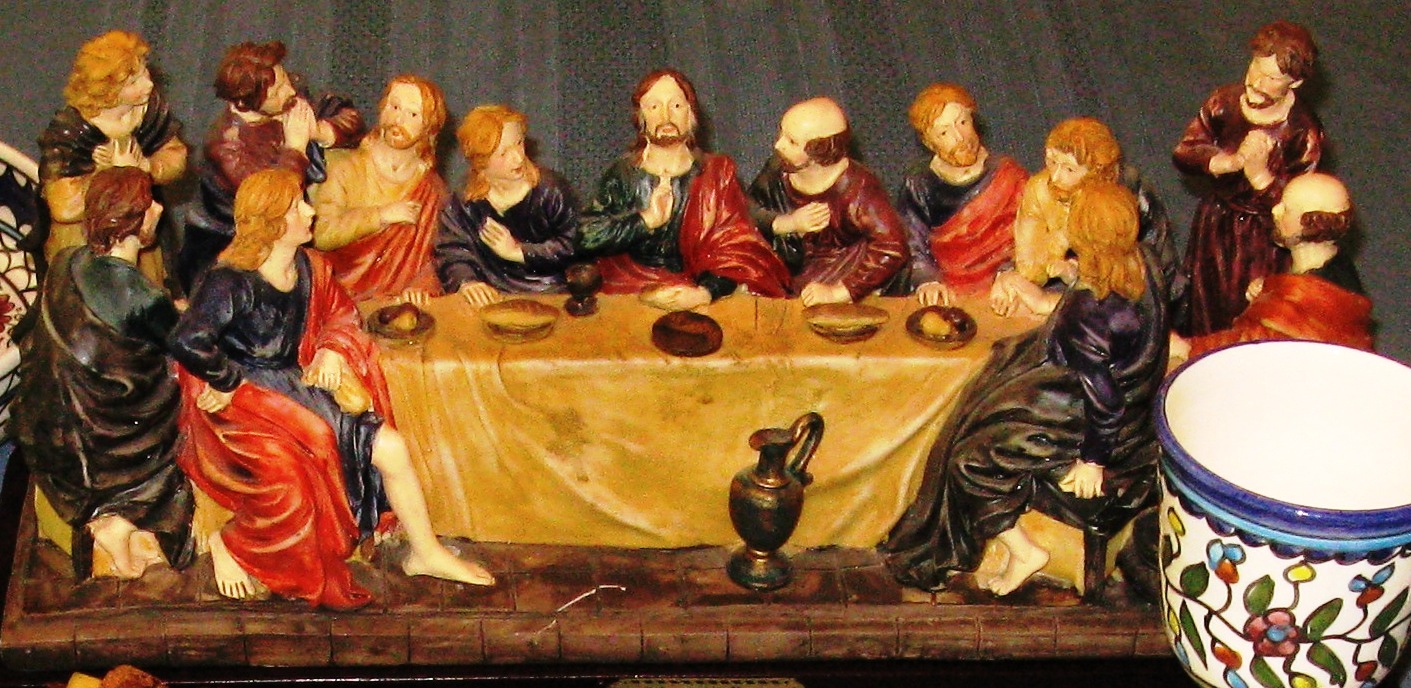
The Last Supper of Jesus
Jesus actually learned this practice from the Old Testament and saw it rehearsed in his home regularly. The Jewish people have a Sabbath observance every week. A holy meal is part of the Feast of Tabernacles, Passover, Shavuot and Rosh Hashanah.
Communion and Passover together
Moses taught us to celebrate meals around the table. He said to talk about the law “when you sit at home and when you walk along the road, when you lie down and when you get up.” (Dt 6:6) He added, “when you eat and are satisfied, be careful that you do not forget the Lord.” (Dt 6:28) He wrote in Deuteronomy 12:7, “You and your families shall eat and shall rejoice in everything you have put your hand to, because the Lord your God has blessed you.” The family that prays and dines together stays together.
Ready for our family Passover Seder
The Passover meal is an ideal example of what an ornate supper can become when celebrated annually. The father (not the professional clergy) teaches his family the historic story of God’s mighty acts through an unforgettable method. Participants listen to, read aloud, act out, taste and see the story as it unfolds. Each person feels the movement from slavery to freedom. And every person who has participated in this festivity for several years can quote lines from the Seder.
Haggadah with explanations, a great resource for the leader
One section of the Seder shares the lesson on the four sons. This lesson originates out of four passages in the books of the law. The first son, the wise son asks the father to tell him the meaning of the stipulations, decrees and laws the Lord our God has commanded.” (Dt 6:20) He is rewarded with commendation because of his desire to learn. The wicked son asks, “What do these things in which you are engaged mean?” He is wicked because he does not desire to personally participate. The simple son asks a simple question and gets a simple answer. (Ex 13:14) The leader of the Seder meal then tells all the participants that we are to tell the story even when a question is not asked.
The Four Sons with their favorite Passover guides
We live in a generation when church attendance is decreasing, families are falling apart and crime is on the rise. Perhaps the reason for this plight is that we do not honor the age old command of the Lord to spend time in our homes teaching of His love. This includes weekly meals on the Sabbath, meals on special occasions, and telling of God’s love at home as often as we can.
Spring shares Passovers throughout the Bible - a great read!
The Passover is but one example of a meal. I try to share this idea every time I lead a church in a Seder Service. If you would like to host a Passover or have a speaker talk about building the spiritual faith of the family around the meal, please contact me. If you would like to lead a Passover yourself there are some excellent resources available including A Christian Passover in the Jewish Tradition.

Tuesday, March 31, 2015

Holy Week

     During this week, the week before Easter we look forward to the Resurrection (1 Corinthians 15).  The Resurrection is the central theme of the Christian faith.  In this week, before our Resurrection celebration, we visit the events leading up to the Resurrection.
     First, we see Jesus' entry into Jerusalem on Palm Sunday.  My daughter Sarah posted a great article on Palm Sunday here: http://www.examiner.com/article/palm-sunday-traditions.  Please take a look at it.
     During the week, Jesus visited the Temple.  He overturned the moneychangers tables.  They went to the Temple to make money (not to worship).  The wrong motives of these men upset Jesus.  What are your reasons for attending Church.
     Jesus told his disciples and others in the Temple, "these I will bring to my holy mountain, and make them joyful in my house of prayer their burnt offerings and their sacrifices will be accepted on my altar; for my house shall be called a house of prayer for all peoples, The Lord God, who gathers the outcasts of Israel, declares, “I will gather yet others to him besides those already gathered.” (Isaiah 56:7-8)
     During the week, Jesus prepared for Passover (setting up a place in the upper room, and assigning the Disciples things to bring to the supper)
     As we celebrate this week, let's spend time in prayer so we can fully appreciate what God has done.

Friday, March 27, 2015

Heaven

     Have you ever wondered what Heaven will be like? In real life sometimes we can catch glimpses of Heaven through the words of the dying, who see through the valley of the shadow of death, and tell us the things they have seen. A few people have come back from near death experiences and describe the things they have seen. More profound, Jesus tells us about heaven, and shares his credentials as the one who came down from heaven. (John 3:13; 6:38; 8:58)
     Throughout the Bible details are shared of what Heaven will be like. Some of these are simple, and show the real life going on in Heaven (Zech 8:3-6). Other scenes are more lofty and tell of the beauty of heaven (Revelation 21). The Bible says those who believe will go to heaven, while the ones who choose to fight God will suffer punishment.
     I have heard many who describe heaven as a place where we receive our angel wings and spend the day playing harps. But through this statement, people miss the things the Bible teaches about heaven. When we get to heaven and lie down in green pastures, life does not stop. Our life continues. God will show us things we could not understand on earth. We will enjoy great times of worship before the throne of God in heaven. And we will get to hang out with friends, new and old. Life will go on, but life will be much better than what is experienced here on earth.
     When I studied for and wrote chapter 9 of Spring: Connecting with God (Kindle), I found a unique picture of heaven in Psalm 23. I invite you to order and read this book. And through the book, I hope you will see how much God loves us and calls us to enjoy the life He has offered both here and in heaven.

Thursday, March 26, 2015

Spring – The Last Supper

     Question: How many Passovers (Kindle) did Jesus celebrate? Answer: He celebrated Passover (Kindle) with family or friends every year! Because Jesus was Jewish, we know the Passover was a significant event for him, his family and his friends.
     The New Testament contains details from four Passovers which Jesus celebrated. Each year the celebration was unique and important in his life and ministry. I have detailed these in more depth in my book Spring: Connecting with God. (Kindle)
     The first recorded Passover celebrated by Jesus occurred when he was twelve. His family went to Jerusalem for this important Harvest Festival. During the time of the preparation for the feast, Jesus’ family left him alone, and he went to the Temple. While in the Temple he began to dialogue with the Sadducees, Pharisees, Sanhedrin members and Priests. The Bible records how his parents left him behind in the city when they went home; from the culture we can understand more details.
     The first Passover of Jesus’ ministry years was celebrated in Jerusalem. The Gospel of John contains eye-witness details of this Passover, including a visit to Nicodemus, teacher of the people of Israel. In this Passover Jesus shared with his disciples how to come out of bondage to sin into the light of God’s love.
     The year before Jesus died, he did something very unusual: He celebrated Passover at home. Every other year (except for the years spent in Egypt) Jesus, his family and his friends traveled to Jerusalem. John 6 contains details of how Jesus celebrated this Passover at the Sea of Galilee. As Jesus raised the Motzah on this Passover, he called himself the bread of life.
     Jesus’ last Passover is called the Last Supper. All four gospels tell about this Passover Seder. Matthew, Mark and Luke briefly skim over this dinner. (Luke’s Gospel contains some unique details). John’s gospel goes into detail as he describes the actions and teachings which occurred in the upper room.
     When we understand the Passover we understand more about Jesus, his culture and the teachings he was trying to share. In the Christian world today, it is sad that we too often rush through the cup and bread without understanding the great lessons of Passover; and in these great lessons the things Jesus was really telling us.

Monday, March 23, 2015

Discerning the things that Matter


     Yesterday we looked at how our lives can waver, running from hot to cold spiritually. This can happen because distractions consume life and siphon our focus from where it belongs.
     One of the distractions cast before us at Passover and other times is legalism. We are told “you must” and forced into a performance mode in order, as we are told to please God.
     Jewish people spend a great deal of time cleaning their homes for the Passover in order to obey the command, “For seven days you are to eat bread made without yeast. On the first day remove the yeast from your houses.” (Ex 12:15) They have two sets of plates, and really take to heart a reading from the Mishnah which says, “the hametz must be searched for by the light of a lamp.”
     In chapter five of Spring: Connecting with God (Kindle), we look at how cleaning the house takes precedence over spiritual preparation. The real reason God tells us to clean the leavening is because God desires for us to clean our own lives. This is captured in Proverbs: “As the heavens are high and the earth is deep, so the hearts of kings are unsearchable. Remove the dross from the silver, and out comes material for the silversmith; remove the wicked from the king's presence, and his throne will be established through righteousness. Do not exalt yourself in the king's presence, and do not claim a place among great men; it is better for him to say to you, "Come up here," than for him to humiliate you before a nobleman.” (Pr 25:3-7)
     People love to “do something” rather than “look inside ourselves;” for this reason we can become consumed by effort. In the New Testament Jesus chides Mary for becoming consumed by work, rather than allowing herself to look inward spiritually. (Luke 10:38-42)
     The reason God tells us not to eat leavening is so we will identify with the slaves who left Egypt and did not have time to let the bread rise. But what we often do not tell clearly is how Moses prepared the people spiritually, telling them through the process to see the hand of God in the events of the Exodus. The Jewish people are told to take a lamb in their home for 3 days, to put the blood on the doorpost, and to see how God protects those spiritually prepared.
     Removal of leavening is symbolic of clearing the evil out of our lives. God wants us to focus on Him, not the cleaning of a house. Two weeks ago we looked at Spiritual Preparation for Passover in this blog. We need to clean our homes and remove the leavening with prayers and preparation, immersing ourselves into the real reasons why God wants us to do things rather than just going through actions.

Monday, March 16, 2015

Passover Preparation - Day 6 - Charity to others


“When you reap your harvest in your field and forget a sheaf in the field, you shall not go back to get it. It shall be for the sojourner, the fatherless, and the widow, that the Lord your God may bless you in all the work of your hands. When you beat your olive trees, you shall not go over them again. It shall be for the sojourner, the fatherless, and the widow. When you gather the grapes of your vineyard, you shall not strip it afterward. It shall be for the sojourner, the fatherless, and the widow. You shall remember that you were a slave in the land of Egypt; therefore I command you to do this. (Dt 24:19-22)
   One of the hardest things to accomplish in life is to see all sides of a situation at the same time. In order to prepare our hearts for Passover, we must do just this! On one hand, we will enter into a celebration which teaches us to be thankful because “we went down into Egypt with a few people and lived there and became a great nation, powerful and numerous.” (Dt 26:5) On the other hand, we are to remember we were slaves in the land of Egypt - and we must have compassion on those who are slaves today.
   We enjoy being a prosperous and great people. We enjoy the trappings of our affluence, and look with disdain on others who are not so fortunate. “Get a job,” we say. We call the poor in our nation “lazy” without ever trying to develop relationships with them. We dismiss those who are different and have trouble learning our culture or language with, “Why don’t you go back home?" or "You must become exactly like us.”
   We forget that most of our ancestors came from humble backgrounds - the majority as immigrants from other places. America is a land of refugees. One reason people leave their homeland and travel is to escape problems; problems such as poverty, persecution, and enslavement. We are to empathize with less fortunate people and be the hand that helps them, as others helped us or our ancestors.
   We pride ourselves and grow our riches by squeezing the last penny out of every dollar. But that is not what God tells us to do. Notice, when we have finished the harvest, we are not to go back into the field checking for what we missed, or harvesting the late fruit. We are to enjoy our harvest, and leave the rest for the poor. [Leviticus 19:10] Likewise, if we have done well in life, we are to go out and look for the poor, the stranger, the fatherless, or the widow and help improve their life.
    One purpose of Passover is to teach us to be holy, separate, different from the world just as God is different from any other gods. The Bible calls us to be “a wise and understanding people” (Dt 6:6) so others will notice. “What other nation is so great as as to have such righteous decrees and laws” as those set before us by our God? (Dt 6:8)
   The Jewish people placed an alms box in the Temple for the purpose of helping the poor to enjoy Passover as a rich man. How has the lesson on slavery taught you to reach out to the less fortunate - especially in your community? Each of us needs a ministry to help us follow the command to remember we were once slaves.