Showing posts with label Messianic. Show all posts

Wednesday, December 11, 2019

The Prophecy

Unless the Lord builds the house,
.     the builders labor in vain.
Unless the Lord watches over the city,
.     the guards stand watch in vain.  - Psalm 127:1
Christmas is an amazing fulfillment of prophecy.
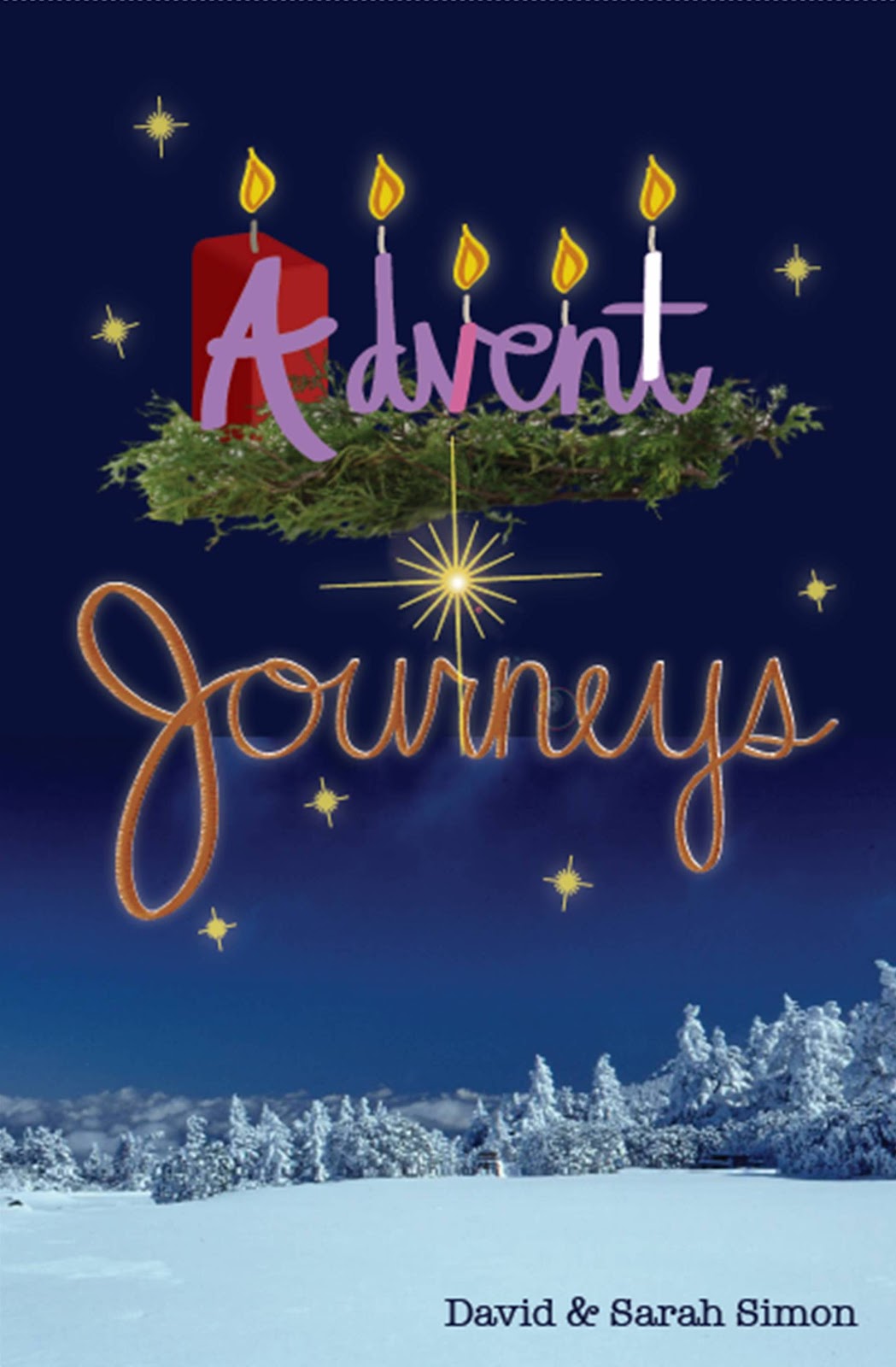
For a special Christmas
Order this book. Click on link at side
Long ago God told the world that He would send the Messiah to redeem people and bring joy into their lives. Isaiah wrote:

“The people walking in darkness have seen a great light;
on those living in the land of deep darkness a light has dawned.
You have enlarged the nation and increased their joy;
they rejoice before you as people rejoice at the harvest,
as warriors rejoice when dividing the plunder. …
For to us a child is born,to us a son is given,
and the government will be on his shoulders.
And he will be called
Wonderful Counselor, Mighty God,
Everlasting Father, Prince of Peace.
Of the greatness of his government and peace
there will be no end.
He will reign on David’s throne and over his kingdom,
establishing and upholding it with justice and righteousness
from that time on and forever.
The zeal of the Lord Almighty will accomplish this. - Isaiah 9:1-7
The Western Wall at Night
Jesus said of his own ministry (quoting from the book of Isaiah),
“The Spirit of the Lord is on me,
.   because he has anointed me
.   to proclaim good news to the poor.
He has sent me to proclaim freedom for the prisoners
.   and recovery of sight for the blind,
.   to set the oppressed free,
.   to proclaim the year of the Lord’s favor.” (61:1,2)
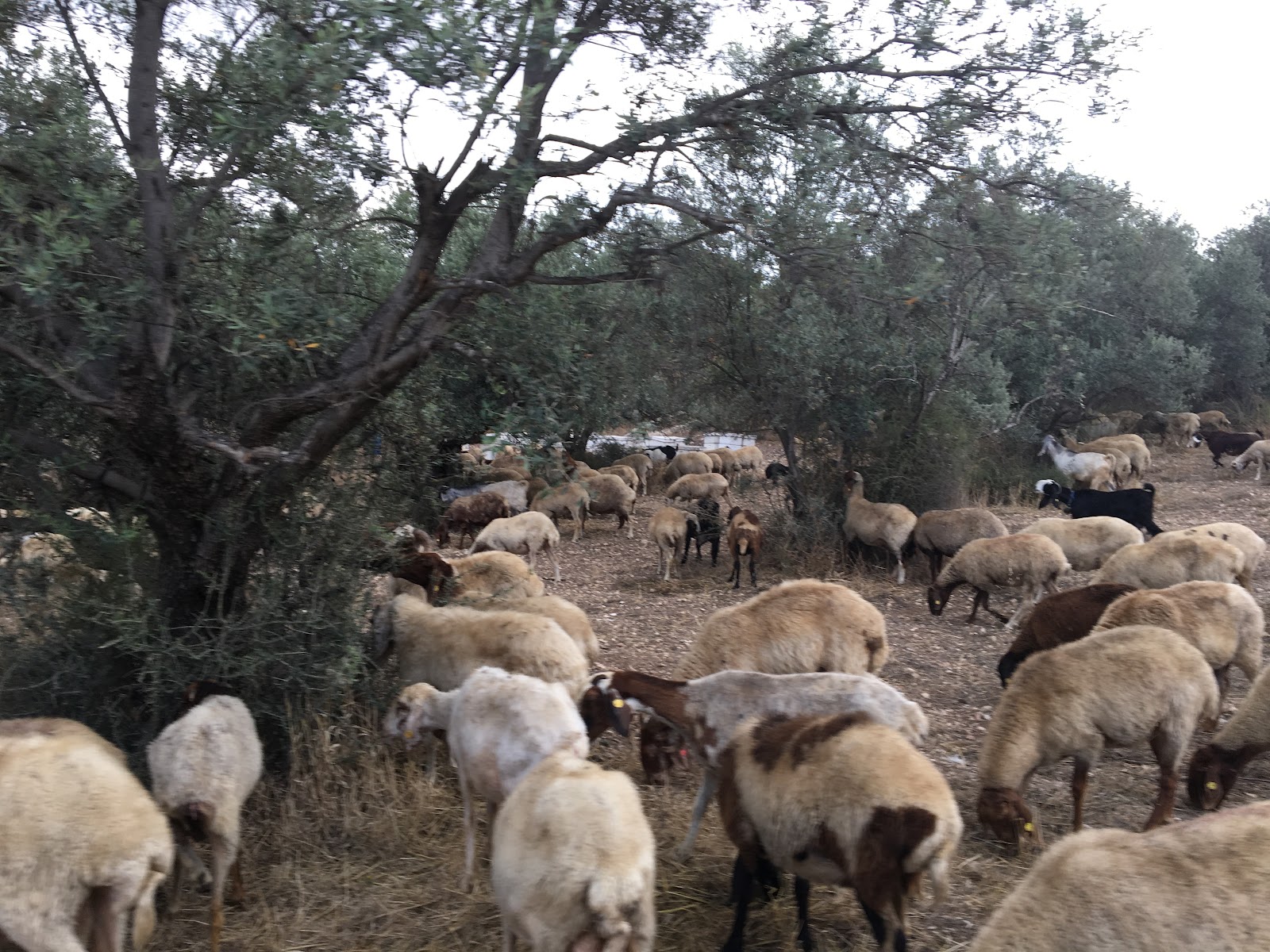
Sheep in Israel
Many of the prophets these are very specific like the child would be born in Bethlehem.
“But you, Bethlehem Ephrathah,
. though you are small among the clans[b] of Judah,
out of you will come for me
. one who will be ruler over Israel,
whose origins are from of old,
. from ancient times. …
He will stand and shepherd his flock
. in the strength of the Lord,
. in the majesty of the name of the Lord his God.
And they will live securely, for then his greatness
. will reach to the ends of the earth.
And he will be our peace - Micah 5:2-5
Camels on their way to Bethlehem
God predicted the Magi would come:
“Arise, shine, for your light has come,
. and the glory of the Lord rises upon you.
See, darkness covers the earth
. and thick darkness is over the peoples,
but the Lord rises upon you
. and his glory appears over you.
Nations will come to your light,
. and kings to the brightness of your dawn.
the wealth on the seas will be brought to you,
. to you the riches of the nations will come.
Herds of camels will cover your land,
. young camels of Midian and Ephah.
And all from Sheba will come,
. bearing gold and incense
. and proclaiming the praise of the Lord. - Isaiah 60:1-6
A Star in Bethlehem
It was said they would follow the star:
“I see him, but not now;
. I behold him, but not near.
A star will come out of Jacob;
. a scepter will rise out of Israel.” - Numbers 24:17
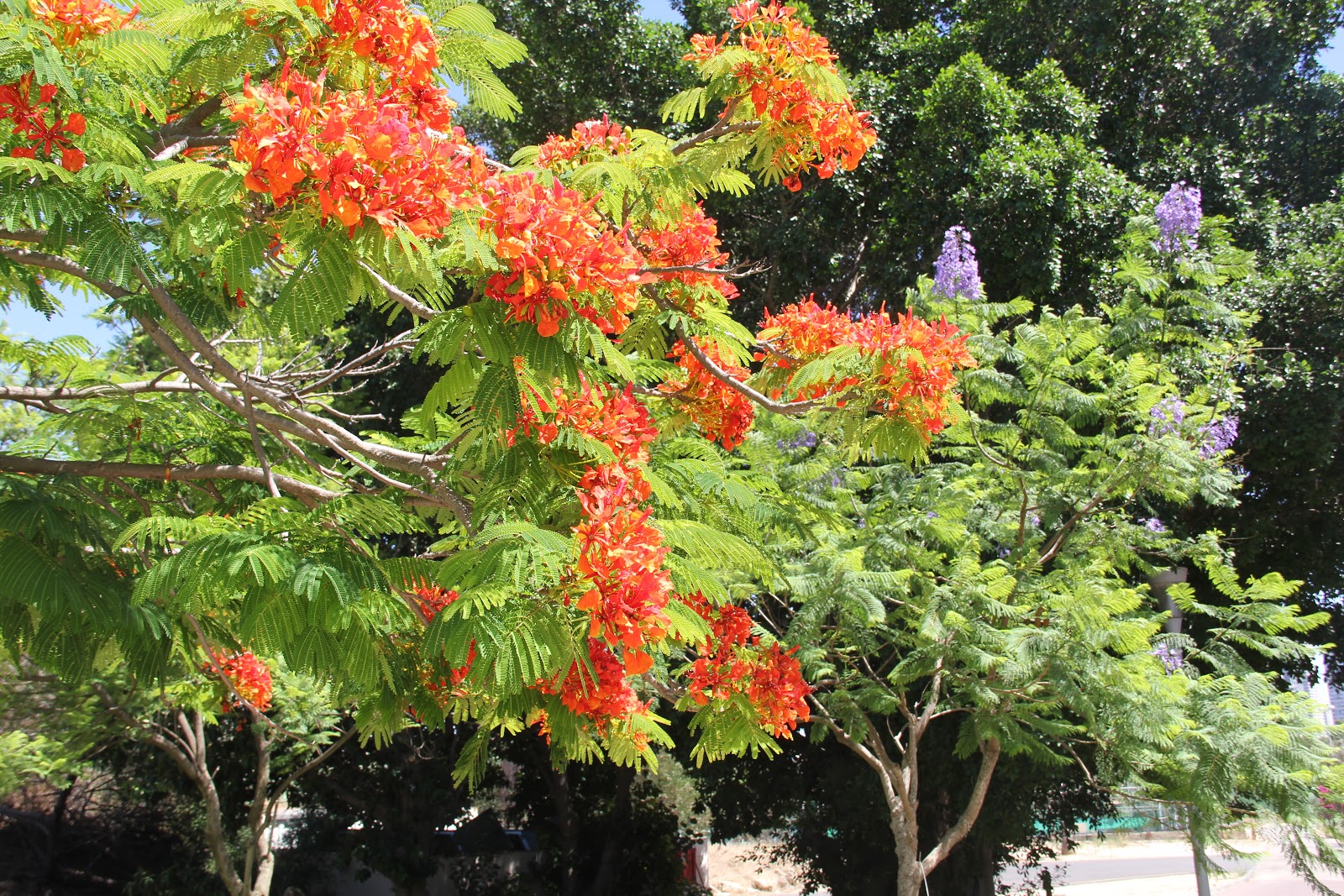
Flowers in Israel
Other prophecies are telling because God is going to bring salvation.
“A shoot will come up from the stump of Jesse;
. from his roots a Branch will bear fruit.
The Spirit of the Lord will rest on him—
. the Spirit of wisdom and of understanding,
. the Spirit of counsel and of might,
. the Spirit of the knowledge and fear of the Lord—
and he will delight in the fear of the Lord.
He will not judge by what he sees with his eyes,
. or decide by what he hears with his ears;
But with righteousness he will judge the needy,
. with justice he will give decisions for the poor of the earth. - Isaiah 11:1-4
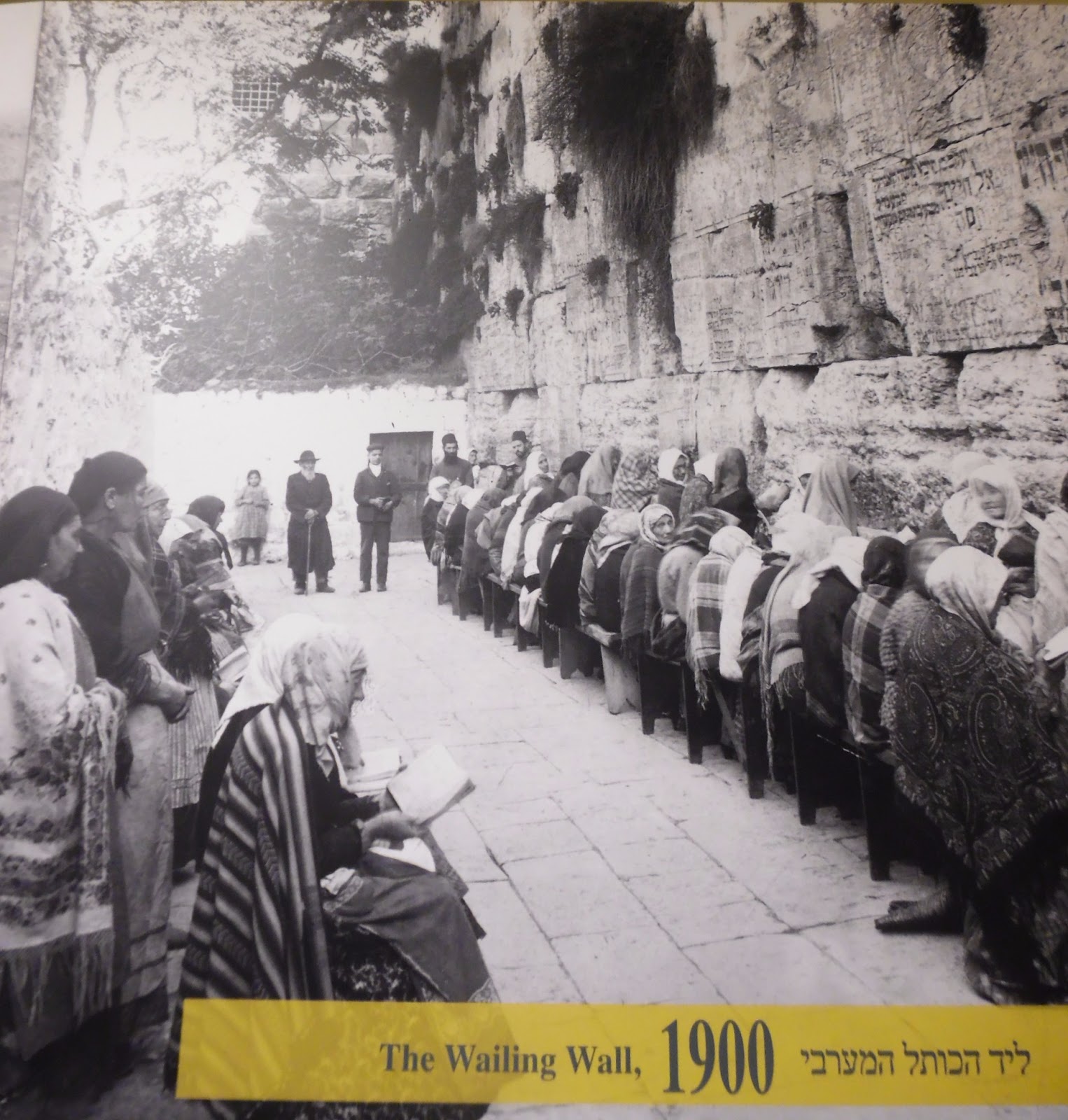
Western Wall in 1900 - Picture
The story of Jesus is a story freedom because God wants to save you from whatever it is in your life in your world that's holding you back. When a person truly seeks to follow God, that person begins to accomplishing the things for which God created each unique individual.
“For he will deliver the needy who cry out,
. the afflicted who have no one to help.
He will take pity on the weak and the needy
. and save the needy from death.
He will rescue them from oppression and violence,
. for precious is their blood in his sight.” - Psalm 72:12-14
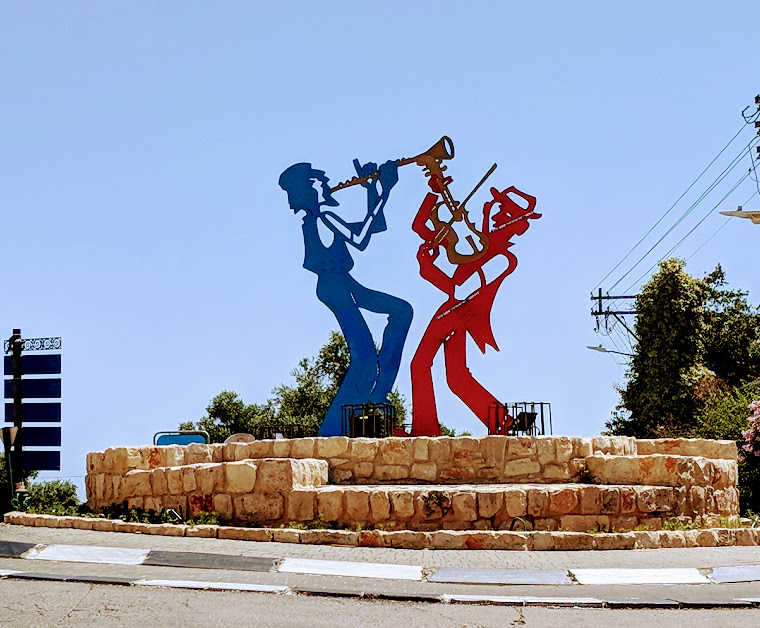
Joy in Safat
Do you truly know what Christmas is?? The season is about more than gifts. It is about more than lights. It is far more than today’s traditional parties. It is about love, but not just the love of humans, the love of God that changes the heart, drawing joy from where there was once depression and placing peace in the lives of the confused.
.     “For God so loved the world that he gave his one and only Son, that whoever believes in him shall not perish but have eternal life. For God did not send his Son into the world to condemn the world, but to save the world through him.” - John 3:16-17

Monday, November 26, 2018

Priestly Duties

     Today is the second day of Advent, a season of the year when Christians prepare their hearts by focusing on the wonder of God’s gift, Jesus, that was given to mankind on Christmas morning. It is all too easy to get caught up in the things of the world, such as commercialism, and totally miss the real meaning of Christmas. For that reason, I am encouraging people to spend at least five minutes a day to focus on the real reason for the season.
     I have provided two or three resources to help people accomplish this task. First, I have developed an calendar of Bible readings (one prophetic Old Testament reading, and also a New Testament reading) that I have placed on a calendar to be found under the Advent tab on my website, www.KosherCopy.com
Advent Calendar from www.KosherCopy.com
     The second resource is a devotion book entitled Advent Journeys, into which the bible readings are incorporated. My writings on this blog will come from the readings in Advent Journeys each day this season.
     The third resource is a guide to help children understand and enjoy the Christmas season. When my children were young we planned at least one Advent related activity every day in order to counteract the commercialization seen everywhere in society. It is not that I am against gifts, it is just that I desire the real Christmas to overpower the world’s Christmas. If you have children, try some of the activities, you will see how this works!
Advent Devotion book
     Some might wonder about the detailed Temple ceremonies I described on the second day of Advent in my book. The fact is that Jesus was born at a unique time in history, and we actually know what priests like Zechariah did during their daily activities in the Temple in Jerusalem. The historian Flavius Josephus wrote several books that detail historic events which took place during the life of Jesus. The Rabbis of the Sanhedrin collected sayings, laws and procedures of Temple worship into a collection of books known as the Mishnah. The Mishnah was put together after the destruction of Jerusalem in 70 AD, so the priests would not forget what to do after (or when) the Temple and its worship were restored.
Model of the Temple at the Israel Museum in Jerusalem
     The Mishnah contains six sections: 1) Tithes, 2) Feasts and holy days, 3) Women, marriage and divorce, 4) punishments for wrongdoing, lawsuits, punishments, 5) holy things of the Temple, and 6) cleanness (kosher) laws, which include prevention of illness, how to take a bath, and more. Within each of the six volumes of the Mishnah there are innumerable details that tell us about life in the first century. The details of the morning routines that I share in Advent Journeys are contained in a section of the Mishnah called Tamid or The Daily Offering.
Moses ben Maimon "Maimonides" was a Torah Scholar
     I share these things, not because we will repeat these ceremonies, but because I think it is important to get a behind the scenes view of real life in the first century. I want my readers to understand the Bible is a book about real people. The events we read about really happened. Zechariah the priest participated in the daily activities of the Temple. Although we can not know exactly what duties Zechariah performed each day, the stories I present gives a sense of what life must have been like for the father of John the Baptist.
Worshipers at the Western Wall in Jerusalem
     I am sure there were priests serving in Jerusalem that came just because of family expectations or because they were legally bound to serve in the Temple. One of the things I worked hard to place in the story I tell during week one of Advent is that Zechariah the Priest loved God. The type of love God desires can be seen in Deuteronomy 6:5, Psalm 19 and 119. God desires pure love from believers today. As you read the words of in Advent Journeys, I pray that your love for God grows day by day.

Friday, March 17, 2017

Passover Glue

In today’s world Passover is perhaps the most celebrated observance of the Jewish people - and this is not surprising. The celebration takes place in the home, extended family is included, and the meal is a banquet. The worship element of Passover is so familiar to Jews that they can quote lines by heart, and some families have a lot of fun ad-libbing or adding their own twist to an old story. Over the years each family builds their own traditions, making Passover an occasion to which everyone looks forward.
Our Passover Haggadah with Explanations
The foundations of our modern family meal are recorded in Exodus 12-13, where Israel is commanded to select a lamb, care for the animal as a pet for three and a half days, then kill the lamb, place the blood on the doorpost, roast the animal, and eat it.
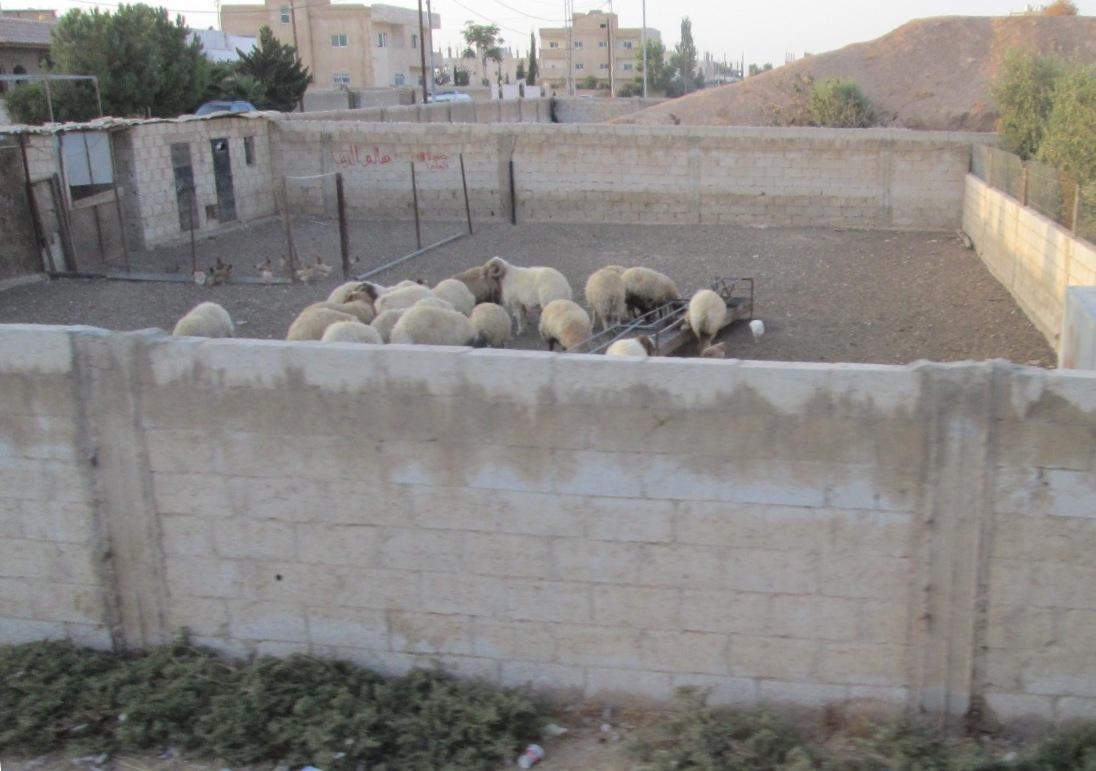
Sheep pen in Jordan
The holiday could have arisen from earlier spring harvest celebration where a thank offering was given to God with unleavened cakes cooked in oil (Lev. 7:12). The timing of the Hebrew Exodus would have called for an expansion of the event with added meaning.
Our book on Passover Backgrounds
In my book Spring: Connecting with God, I tell how the festival has been celebrated or avoided throughout Biblical times. What began as a home celebration became a Temple activity, for which tens of thousands of people each year made the pilgrimage to Jerusalem, after Solomon built the worship center. (By the time Jesus was alive, millions of people were visiting the Temple Herod had renovated.) During the Babylonian exile the practice returned to the home, and is part of what kept the Jewish faith alive. Ezra reinstituted the Temple practices, which continued to be observed, and eventually were held by Jesus and his family.
Great spot for a picnic on the Mount of Olives
The New Testament gives various hints that people looked forward to Passover as an annual event. Entire communities would travel together and camp inside or on the outskirts of Jerusalem. Jesus’ family probably camped near the base of the Mount of Olives, atop which he later prayed the night before he was crucified. Families from the Galilee were able to meet together with families who lived in Judea. This is why Mary was so familiar with her relative Elizabeth. People in Biblical times enjoyed the week-long opportunity to take a break from the regular routine of life and live in a different setting.
Dome of the Rock where the Temple once sat
After the Temple was destroyed in 70 A.D. many of the Jewish holidays lost meaning, yet Passover grew in importance. Holy days such as Yom Kippur (the Day of Atonement) and Shavuot (the Feast of Weeks, or Pentecost in Greek) are based on the existence of the Temple for sacrifice and receipt of an offering. Chanukah (the Feast of Dedication or Winter - if you’ve read your gospels well, you’ve seen this terminology there!) became a day of mourning because the Temple sat in ruins as it had been during the destruction of Antiochus Epiphanes. Sukkot (the Feast of Tabernacles) remembered the journey from Egypt toward Israel, particularly the long years living in booths in the desert. The festival of Pesach (Passover) took on added importance as the Jewish people prayed once again that an evil Pharaoh (ruler) would be removed and they would be granted another exodus to their homeland.
A Home Passover Celebration in Saluda, NC
The elements of families coming together and dining at a banquet, the prayer for the restoration of Jerusalem, and the retelling of the ancient story built Passover into a favorite holiday. During the Middle Ages, European Jews developed ornate Haggadot in order to aid the head of the household in remembering from year to year how to share the elements of faith and tell the story. These books also reminded a literate society of how they were to participate in the telling of the story. Rabbis reinforced family gatherings for Passover in order to bolster Jewish identity within the scattered communities of Europe.
My family getting ready for Passover
Today’s Jewish families still gather to remember the ancient story, to pray for Jerusalem, and to strengthen relationships with each other and with God. My family went to Uncle Stuart’s home for the holiday. I still remember fun activities with my cousins as our parents talked and cooked together. I also remember much of the liturgy shared from the Chase & Sanborn Coffee Haggadah. My cousins and I carry many memories from these times together.
Other memories have been created over the years as my sister and I created a spontaneous Passover from memory (because we were unprepared, the shankbone was a milkbone biscuit!), Seders I have put together to teach friends in college and seminary, meals of the Jewish community in Louisville, KY, and celebrations with my wife and daughters add to the yearly Seders I remember. Presentations of the Seder given to churches have also provided fun stories (like the time I wore one black and one brown shoe). These happy memories build faith and family.
Passover Seder Plate

The Passover celebration has provided a glue for Jewish society. The elements of faith celebrated in the home with extended family and a lot of fun could help Christians in today’s world. We live in an era where we are letting life (work and school) swamp our time at home. We are letting the “experts” at church direct our faith. Worship is becoming more and more leader-led and non-participatory. Children are separated from parents so they can have “fun,” which dilutes historic religious teachings because they are perceived as “boring.” In this process family memories have been displaced and the Christian faith becomes ever more secular…and lost.

Friday, February 24, 2017

Spiritual Preparation for Passover

The method of modern dining takes many forms. Some meals are eat and run event. Other meals are eaten with family in front of the Television. For most the time honored tradition of dining at a table without distractions and interruptions is a thing of the past.  The ritual meal which plans for and expects God’s presence is a relic which has been forgotten in contemporary settings.
Seder Plate at Passover
With the exception of our Thanksgiving meal most people have tossed time consuming meal preparation and environmental atmosphere setting as too laborious and unnecessary. The removal of intentional sit down suppers has created a void spiritually and socially within families and the fabric of our society.
Our Passover Haggadah with explanations
The Passover Seder is an intentionally spiritual meal. Them family is to select a lamb, which is a gift for God and give special care to the animal for three days. Then they kill the animal, take some of the blood and put a sign for God on the doorposts of their homes. Preparation for the feast begins before the meal.
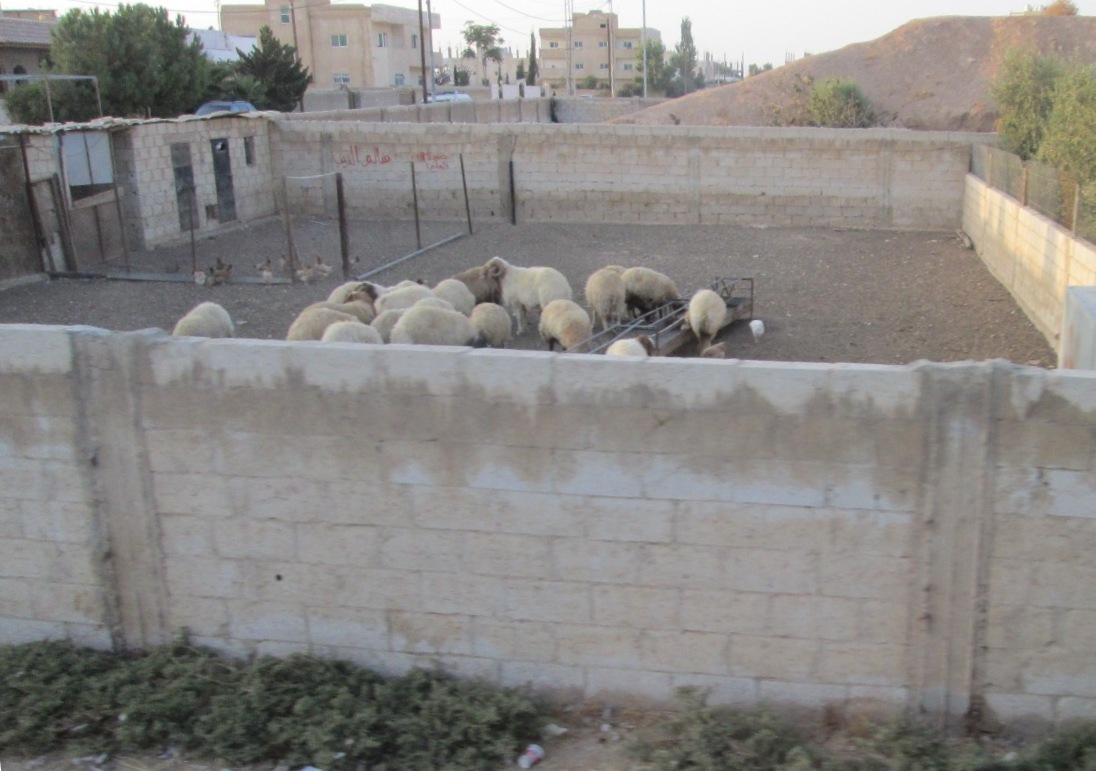
Sheep Pen in Jordan
As the family sets up their meal more spiritual preparation takes place. They are to prepare to leave Egypt in haste as they eat their supper. The Hebrew people are about to become pilgrims of the desert who are completely dependent on God. They are also to eat only unleavened bread for seven days restricting the most basic of all foods, bread, to a just barely food item.
Sharing the Passover at Central Methodist, Mooresville, NC
The Lord told Israel, “when your children ask you, ‘What does this ceremony mean to you?’ then tell them, ‘It is the Passover sacrifice to the Lord, who passed over the houses of the Israelites in Egypt and spared our homes when he struck down the Egyptians.’” (Ex 12:26-27)
Sharing the Passover in New Orleans
The Passover dinner is to be a time for meeting with God. From the beginnings of preparation to the conclusion of the Seder this event is to teach about and celebrate God. At times I see advertized a thirty minute, or a fifteen minute Haggadah. But these are too brief and miss the point. To shortchange Passover would be the same as to skip a Sabbath meal to spend the evening shopping.
A Skit during the telling of the Passover Srory
When I lead Passover Seders in churches one of the things I offer them is a seven day plan for spiritual preparation. Only a few people have participated in this opportunity. I feel I must offer it anyway because God desires growth in our lives, even if this takes self denial. The Lord desires we live a better life, not a pampered life.
Wine Glass and Sabbath Candles at Passover
The Seder service is built on understanding the multitude of ways God has cared for us so we can give thanks and praise. The service begins with thanks, and then proceeds to share with us what life was like during Israel’s days of slavery. As the Seder progresses participants move from physical concern to spiritual cleansing. This is shown through the two hand washings of the evening. The first is to clean hands, the second is to clean the heart.

As we approach the Passover season, I ask how you will grow spiritually this season. How will you bring the annual Seder from placement as an annual event to being a springboard to a closer relationship with God.

Monday, February 20, 2017

Preparation for a Church Passover

Passover is a festival that is mentioned throughout the entire Bible, yet most churches only keep the Lord's Supper as the remnant of this incredibly rich holiday. Most Christians have never seen a Passover demonstration, which adds to the knowledge of the Bible and Lord's Supper, adding depth to the faith. Far fewer Christians have experienced an actual Passover dinner. These facts show a huge void in a complete understanding of both the Old Testament Passover Seder and the New Testament celebration called the Lord’s Supper.
Communion is a regular part of church worship
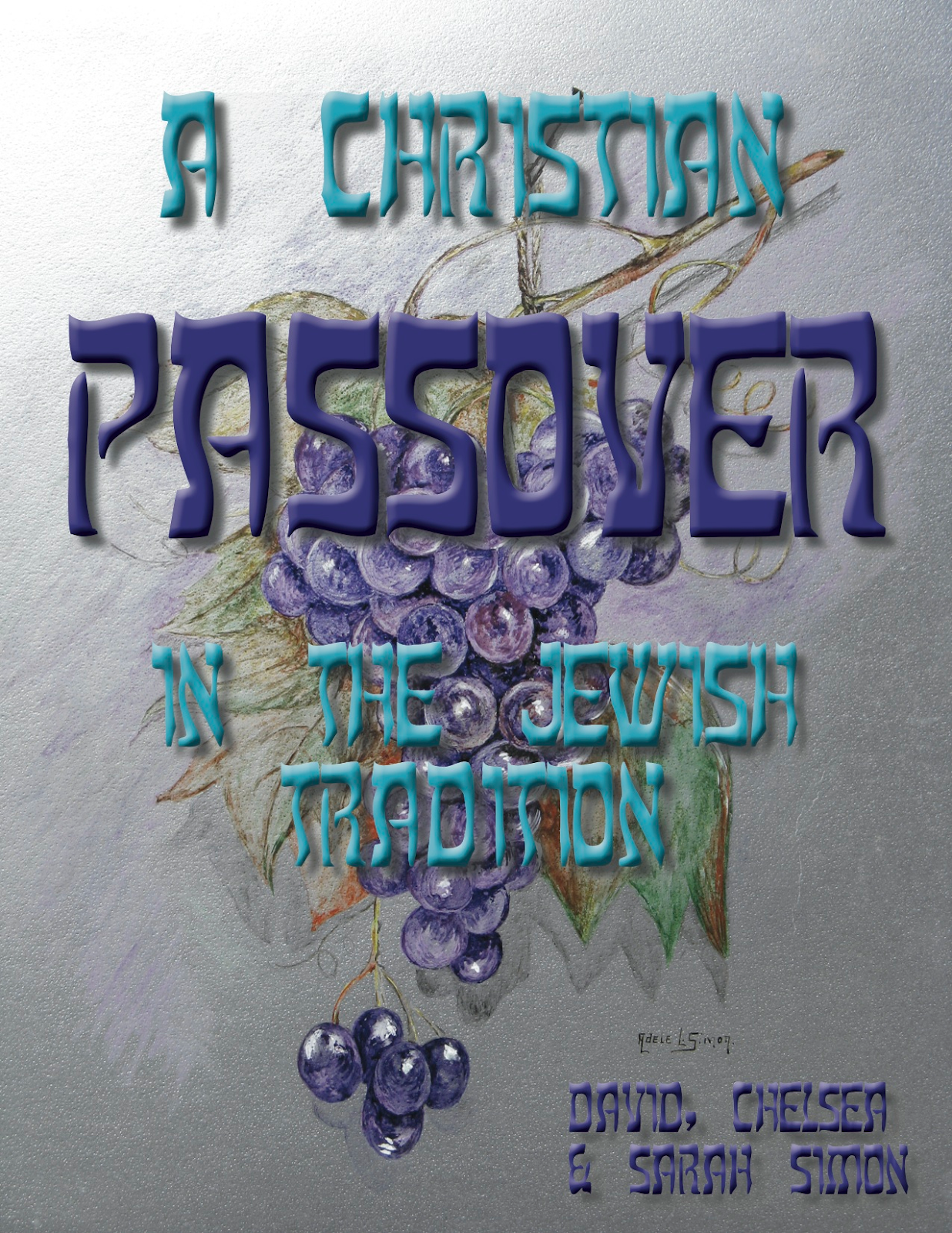
The Passover is an enduring event. People have gathered around the dinner table for over 3.500 years. This one event has been credited with building a stronger Judaism and in some cases, keeping the faith alive. I have written a guide to help churches organize Passover Seders entitled A Christian Passover in the Jewish Tradition
This book shares leader instructions and insights to Passover
Churches should attempt at least once every 3-4 years to hold a Passover event. Such an event  helps people better understand the Old Testament and the background of the Communion. A church supper held around the dinner table in order to teach faith could also provide a great model for Christian homes.
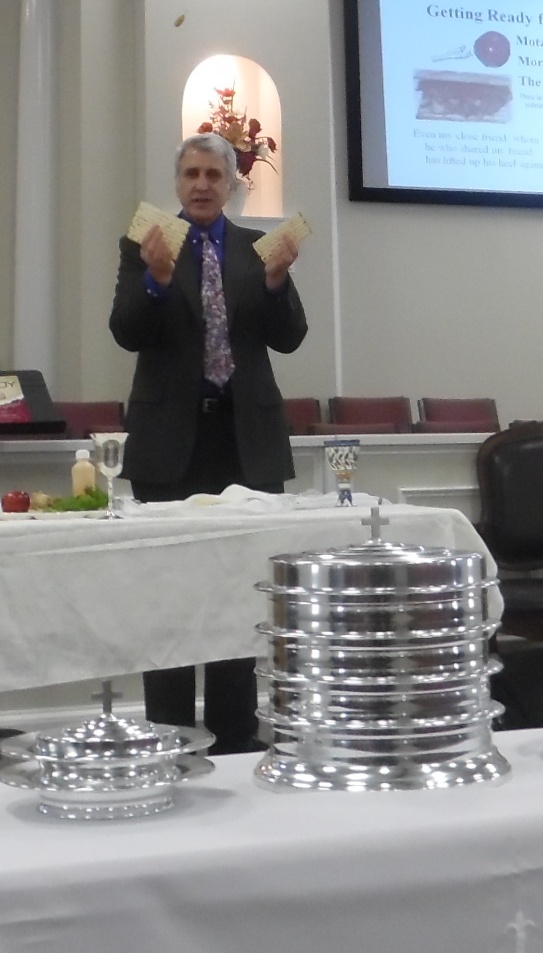
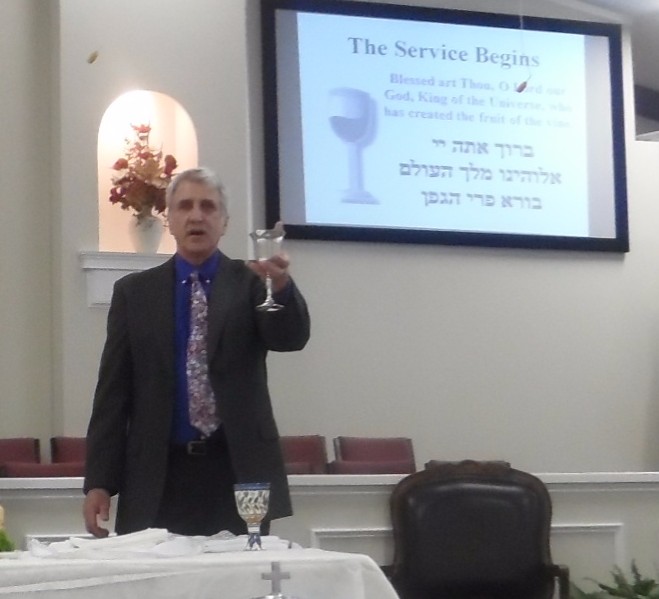
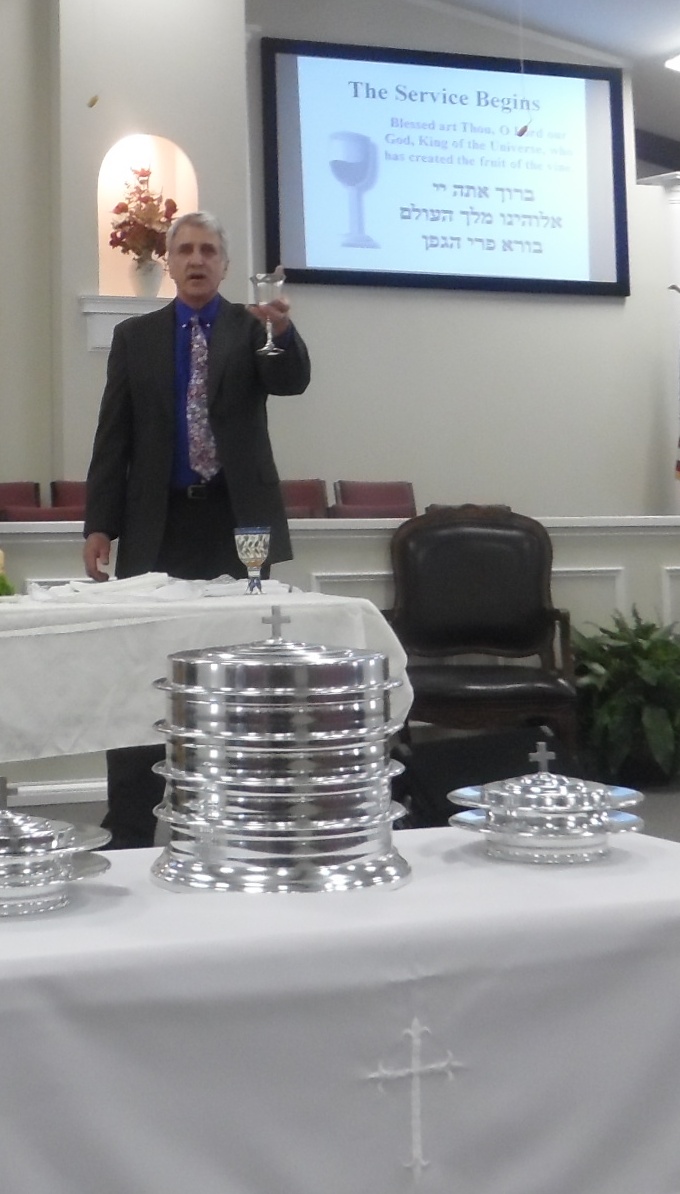
A special speaker at a church supper celebrating Passover
The Passover celebration could be shared as a presentation in worship service (least memorable), a reenactment with communion and other elements in a worship service (more participatory), or a meal where people tell the story and eat together (most memorable and participatory). The meal can be held as a whole church event, or in larger churches the supper could be held by individual or combined small groups. When people sit down together as families around the Passover meal they create memories, build a stronger understanding of the Bible, and grow closer in their relationships with God.
Reenacting Jesus' last Passover including Communion
The first step in holding a Passover event is to place it on the calendar. The second step is to decide what kind of event it will be: worship only, reenactment, or dinner. The third step is to designate a leader for the event. Will the Pastor or a Church member lead the Seder, or will the church invite an outside speaker?
Children should be part of a Church Passover event
At this point, the church needs to decide who will come to the Passover Seder. Will only church members be invited to attend (not recommended), or will the event be opened to the larger community? I encourage people to hold an open event, and encourage regular church attenders to invite guests to the special supper. It should be publicized in the church for at least five weeks. Publicity should include bulletin, newsletter, small group announcements, postcards, e-mails (both surface mail and electronic media are important), facebook, twitter, instagram, and phone calls. People should be invited to share with others through social media. A public service article should also be placed in newspapers and radio stations in the area. Let the world know about this special event. Jesus said to “Go into all the world,” and a special event like Passover is one way churches can obey this commandment.
A menu needs to be set for the meal. The meal could be covered dish (no leavened bread), cooked at the church or catered. If the dinner is held by a small group the dinner could be held in a home or a private room in a restaurant. The meal should be well planned as this is similar to a Thanksgiving event with quality and quantity planned for the evening. China plates, cloth napkins and real silver are not inappropriate.
Special foods of the Passover
Special foods are needed for the supper. These include wine (grape juice), bitter herbs (horseradish), Charoset (an apple and nuts mixture or applesauce with cinnamon), greens (parsley), salt water, Matzoh (unleavened bread), the shankbone of a lamb and an egg (or eggs). A good Passover Haggadah such as A Christian Passover in the Jewish Tradition contain instructions for setting up the table. An instruction page I share with churches is shown below.
Instructions for setting up for a Church Passover
The room should be set up with two places in view of each person. One place is for the leader, the second place is for “Elijah” who will “make a visit” as described in the Passover Haggadah. Places should be set up for each person expected for the meal. At each place include a spoon, napkin, a small cup with wine, and small plate with Horseradish, apple mixture, and greens (these can also be made available for each place or served from the head table according to size of the group). Salt water should be available to each person for dipping.  A plan should be made to refill the wine cups and for each person to be able to wash their hands at least twice during the service.
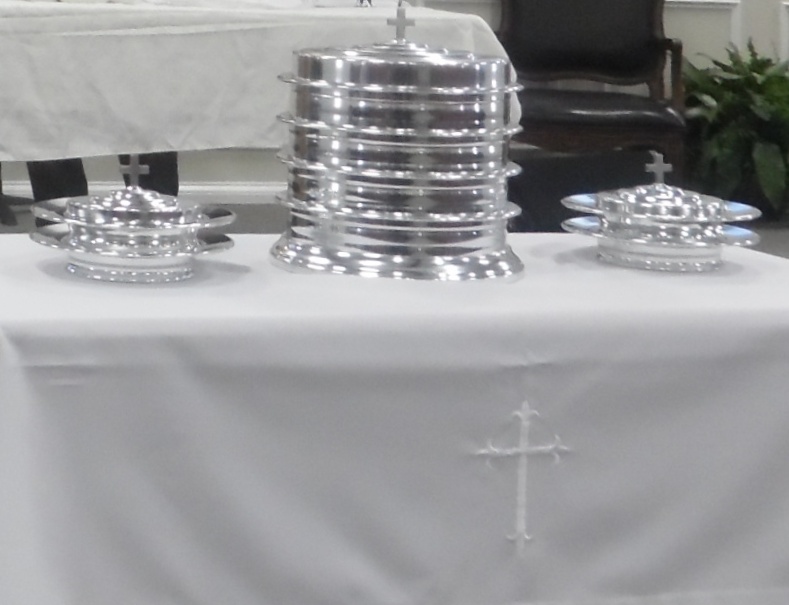
Creativity and beauty in Communion and Passover
It is good to involve people in the Passover Seder presentation or dinner. People participate in meals by eating. As a preliminary to the meal, and part of the worship service, people taste different foods as meanings are explained.
Books to help lead a Church Passover
In Jewish services people are encouraged to participate through responsive readings. I have included responsive readings on my 99¢  participant books available on Kindle (these books do not contain all the leader material). I always have people read the Hallel Psalms responsively. I also include people by assigning individuals to read parts of the four questions and four sons. In two of my presentations on the Passover story, participants are assigned parts and props so the story does not seem so long. All the parts and props must be assembled in preparation before the meal.
Sample Passover Bulletin (inside portion)

When I lead a Passover Seder in a church, I send a personalized program for churches to duplicate. The bulletin includes sections of responsive readings and also information which participants would want to know about the Passover. When I began leading Seders, I made booklets for each individual. I have since found that a legal sized piece of paper printed on both sides is adequate for what most people need. (If you would like me to lead a Passover Seder at your church, please contact me).

Friday, February 3, 2017

Passover and the Lord's Suppper

The least changed and most celebrated moment in Christian worship is called Communion, the Lord’s Supper or Holy Eucharist. A simple piece of bread and a sip of wine or grape juice open to the believer a moment with the Lord and bring to the forefront of heart and mind the teachings of Jesus Christ. In the Catholic church the entire worship service moves toward the Holy Eucharist. In Christian and Disciples of Christ congregations communion is served every week. In Baptist and other non-liturgical assemblies the Lord’s Supper can be a regulatory add-on to a meeting with another focus. Participants of all churches look forward to the moment they partake of the bread and the wine.
Communion services bring to remembrance a moment in the final supper Jesus ate with his disciples on the evening before he was crucified on the cross. The book of Mark captures the moment this way: “While they were eating, He took some bread, and after a blessing He broke it, and gave it to them, and said, "Take it; this is My body." And when He had taken a cup and given thanks, He gave it to them, and they all drank from it. And He said to them, ‘This is My blood of the covenant, which is poured out for many.’”
The Bible tells us in this verse that something is missing from many communion services, and in the hearts and minds of many participants who regularly partake of the Holy Eucharist. The hint in Mark’s gospel says, “While they were eating.” Luke shows two cups in his look at the supper. Matthew states: “On the first day of Unleavened Bread the disciples came to Jesus and asked, ‘Where do You want us to prepare for You to eat the Passover?’ ... The disciples did as Jesus had directed them; and they prepared the Passover.” Paul references the Lord’s Supper as a meal and an important teaching several times in his letters to the Corinthians.
Most Christians know that the Eucharist was a portion of Jesus’ Last Supper, but they have never experienced the Passover observance from which the practice of Communion arose. The teachings and symbols of the Passover Seder (order of teaching) contain much which will contribute to Christian practice and understanding of the Lord’s Supper.
Passover is a celebration of freedom from slavery. The story which is told in the Passover Haggadah begins with the call of Abraham, who was a man of faith who live a life of obedience towards God. It tells how the family of Jacob came to sojourn in Egypt and were enslaved as the enemy of Egypt. The Haggadah teaches how when the people of Israel cried out to God in prayer their voices were heard. God brought miracles (we call them plagues which came about to punish Pharaoh and change his mind, the Haggadah calls them miracles which came in order to show the strength and power of God) in order to free His people. Then the Hebrews were commanded to gather as families, to place the blood of a lamb upon the doorposts of their homes, to roast the animal and to eat their last meal in readiness as God granted them the freedom they sought.
The Passover meal walks the participant through stages of preparedness from the cleansing of hands to the purification of the heart. It teaches observers about God's mercy through experiential lessons of tasting particular foods. The service calls upon the voices of each person present to give praise to God through the Hallel Psalms. It teaches us to savor the love of God who continually shows His love for His people.
The Passover Seder is led by the head of the household, not the priest (or pastor). The celebration is today as it was at the beginning (Ex 12:3) a home (not a church) celebration. This realization should call all believers to imbue the home with teaching and the practice of faith. It is belief which is actively lived out in the home which passes from generation to generation.
If you would like to celebrate a Passover Seder in your church (or receive coaching to lead it yourself) send an e-mail to KosherCopy@gmail.com. My family and I regularly lead Passover Seders in North and South Carolina, New Orleans and the Cincinnati area.

Wednesday, January 25, 2017

Passover at Church??

Really? Should a church ever hold a Passover dinner?
The answer is YES! The congregation which never celebrates the Passover creates a huge deficit for a complete and experiential understanding of the BIble. Jesus and his disciples sat down for a Passover meal every year. The early church celebrated a derivative of the Passover called the Agape Feast. Passages such as 2 KIngs 23:21 and 2 Chronicles 30:1-20 condemn Israel for not observing the Passover.
BUT, some would say: “The Passover is an Old Testament celebration. The church is a New Testament organization.”
Sadly, such conversation betrays a lack of understanding. The New Testament tells us that Jesus celebrated Passover annually. In my book Spring: Connecting with God, I give details of Passover from the life of Jesus that many have missed. Jesus and his parents visited Jerusalem for a Passover celebration when he was twelve years old. The context of this celebration explains how Joseph and Mary could leave Jerusalem without their son.
The Passover also forms the backdrop for a visit from Nicodemus and the feeding of the 5,000 at the Sea of Galilee. Elements of the Passover Seder (especially the order of service including prayers and songs which takes place around at the dinner table) show up in both New Testament teachings.
Passover forms the basis for the Christian Communion (or Eucharist) service. The elements of bread and wine show up prominently in the Passover Seder. The Seder is outlined by four servings of wine associated with four promises given in Exodus 6:6-8. The stories of the Seder tell how salvation and redemption come to Israel beginning with the shedding of the blood of a lamb.
A celebration of Passover with your church will answer many confusing questions, such as, “Why is Easter, unlike other Christian holidays, celebrated on different days, and even in different months?”
Passover explains the timing and organization of the Jewish calendar. The festival is held during the first month (of the religious year) which is set by design to help people understand when to plant crops. Passover is the spring planting and early harvest festival. The holiday teaches us to look to God as the provider of all good things such as creation, spring, freedom, families, and love.
The Passover Seder (Seder means order, and includes prayers, songs, storytelling, questions, symbolic foods, and scripture - all taking place around the dinner table) is a family event. Inherent in its design, the gathering is held at home and not in the synagogue/church. The parents, not the pastor, are the teachers at this event. The family member leading speaks the words, “I do this because of what the Lord did for me when I came out of Egypt.” The leader goes on to teach his or her family, with whom he or she has a personal connection,This observance will be for you like a sign on your hand and a reminder on your forehead that this law of the Lord is to be on your lips.” Passover is a home-based celebration of God’s love and providence for his people. The meal of remembrance has enabled the Jewish identity to survive for over 2,000 years without a homeland. Passover can be a great learning experience for Christian families and children.
Many Christians object to a Passover Seder because, “We’ve never done that before!”
However, these Christians are mistaken. The early church annually celebrated the Passover. An early church manual called the Didache explains that Christians met for a meal on the first day of every week, which was very similar to a Passover dinner. This meal is called the Love Feast in Luke 24:25-35; Acts 20:7, Jude 12, and Revelation 3:20. 1 Corinthians 11:17-34 gives a detailed teaching on the Agape Feast.
Passover is a major theme throughout our Bible in both the Old and New Testaments. The teachings of this festival are fundamental to our faith. The environment and means in which the story of Passover is repeated demonstrates the teaching of history and faith for young children, solidifies and exemplifies these lessons for adults, and creates strength in the faith community. The Passover is a celebration worthy of our attention. Why has the church overlooked this important practice?
My family is available to lead a Passover Seder for your church (or to coach you to lead the meal). We regularly lead this service in North and South Carolina, New Orleans and the Cincinnati area. Contact us by leaving a comment on this blog.