Showing posts with label Passover Dinner. Show all posts

Friday, February 16, 2018

The Passover Seder

The festive meal called by some Passover and by others Pesach was instituted when Moses wrote, “Tell the whole community of Israel that on the tenth day of this month each man is to take a lamb for his family.” (Exodus 12:3) Many who read this blog are familiar with the story: each family selected a lamb, prepared it for supper, and dined in a manner fully prepared to escape 430 years of slavery to Egypt. During the night after the dinner. The angel of death passed through the land of Egypt taking the lives of firstborn males who resided in homes with clean (blood-free) doorposts.
Backyard Sheep on the road in Jordan
Following mederoic events which preceded and followed the first Pesach, the meal with all of its festivities and its history changing story, has been celebrated in Jewish homes across 3,500 years of history. The celebration of Passover has grown from a simple meal shared by a tribe of desert wanderers to an event acclaimed and esteemed around the world. Participation in Passover festivities is popular today. According to Pew Research 70% of Jews participate in the Seder dinner. Passover expanded beyond people of Jewish descent and today is honored in a truncated form by followers of Jesus.
Preparation for the Passover Seder
The power of the Passover was inbred in the fabric of the feast from its very beginning. Moses wrote, “On that day tell your son, ‘I do this because of what the Lord did for me when I came out of Egypt.’ This observance will be for you like a sign on your hand and a reminder on your forehead that this law of the Lord is to be on your lips.” (Exodus 13:8-9) Passover is a family celebration. It is celebrated in the home and led by the head of the household. In today’s Jewish world there is a book called the Haggadah that helps the untrained leader to guide his family through the plan for the evening.
Explanation of each part of the Passover Seder
Through history activities have been included in the Seder to hold the interest of children. These include tasting various foods, four questions which are asked by the eldest child, a lesson on four sons, the singing of Dayenu, the finding of the Matzah and a visit by Elijah. The activities of the evening are presented in a laid back style with lots of laughter and and stories produced by both the ancient Rabbis and and members of the household who retell memorable events from past holidays.
Book telling how Passover is about our Relationship with God
Passover is a beloved event in Jewish families because it connects ancient religious tradition with today’s family. Moses said it was “like a sign on your hand and a reminder on your forehead,” bringing to mind his words of Deuteronomy 6, “Talk about them when you sit at home and when you walk along the road, when you lie down and when you get up.” (Deut 6:4-9) Passover is to be made as purposeful, meaningful and fun as the tradition of bedtime stories when children are young.
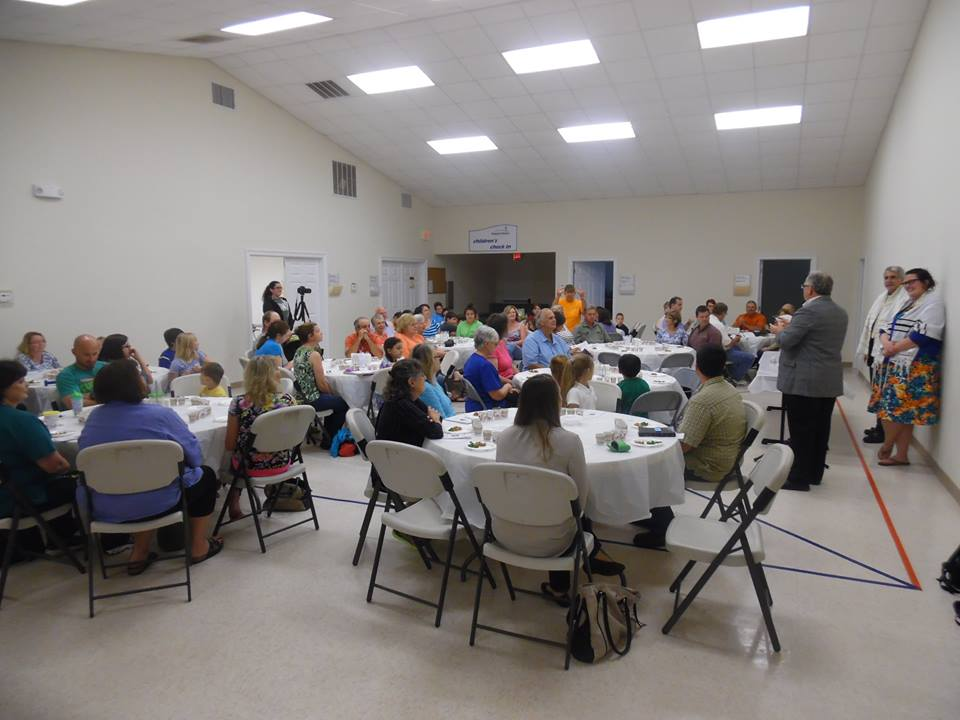
Large group celebrating the Passover
Religious events like Passover, filled with meaning, fun, and inclusive of children, are an important element that helps faith communities to grow and continue from generation to generation. One of the things that brings me joy in life is to lead and see others lead Passover Seders that tell the stories of faith in a fun way in order to instruct the next generation. If you live in central North Carolina or in South Carolina and would enjoy a Passover Seder in your church, please contact me.
Large group celebrating the Passover
If you would like to know how to lead a Passover Seder for your group, please take a look at my book for leaders: A Christian Passover in the Jewish Tradition. This book contains preparations for the Seder, recipes, leader instructions, the words to be spoken and leader instructions. It also has a large section explaining every part of the Passover.
Kindle Passover Seder

I have also put together a kindle book that contains the service (but not the leader guide or commentary) for participants. The participant guide has been revised this year and is available for under $1 on Amazon.com.

Friday, February 2, 2018

A Jewish Dinner … in Church?

The title of this blog leads us to a dilemma with a long history. The Bible records that the church was started by a Jewish teacher named Jesus, who came from heaven to provide salvation for all who believe. This Rabbi taught the world about God through the context of his Jewish faith. He used the Jewish Bible, observed Jewish customs and participated in the Jewish festivals. His final meal before he died was a Passover Seder. (Mt 26:17-19; Mk 14:12-16; Lk 22:7-16; Jn 13:1)
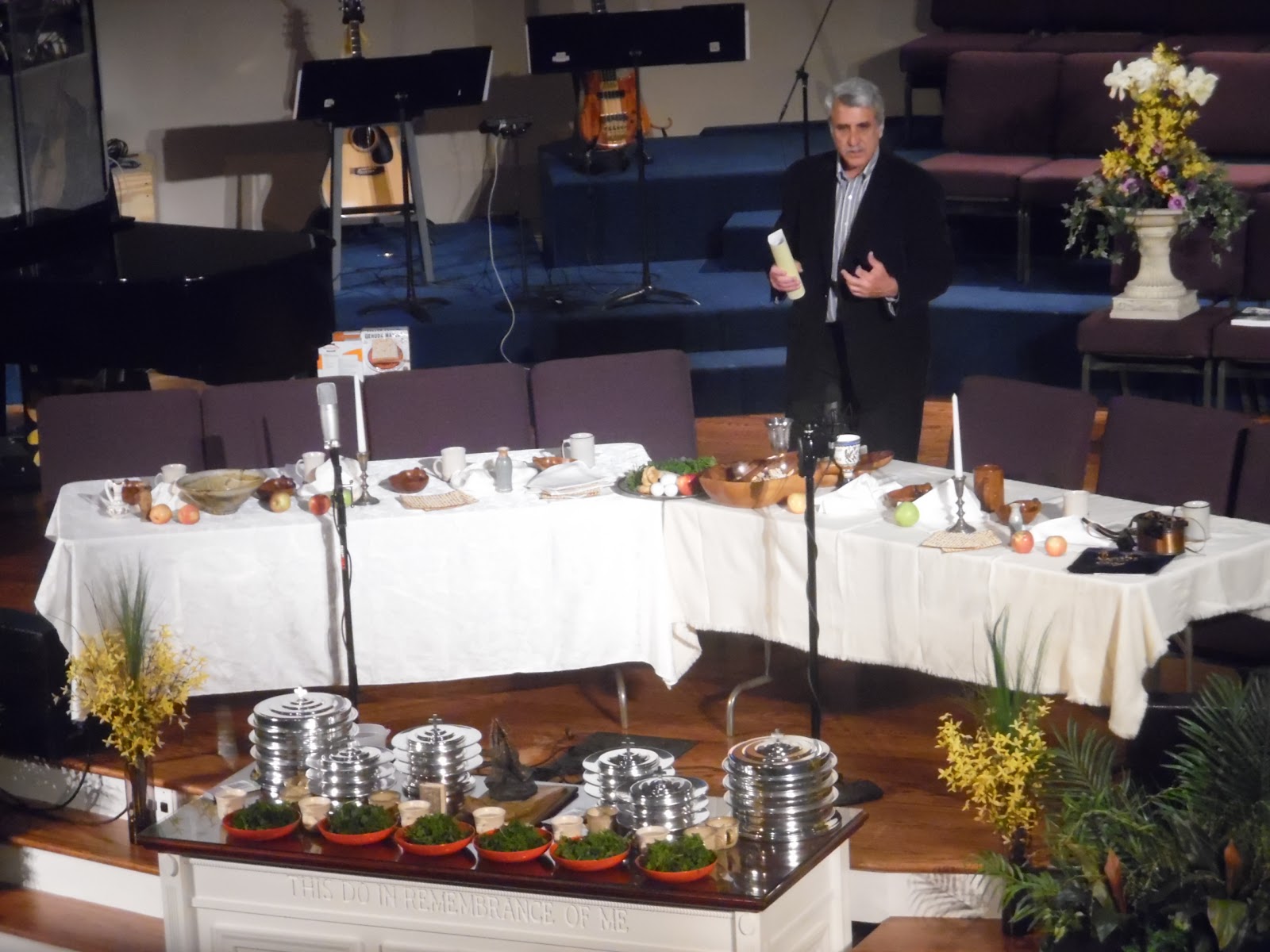
The Last Supper of Jesus was a sit down event
Following the death, burial and resurrection of Jesus, the early disciples, who were all Jewish, began to teach the message of their Lord to the Jew first and also to the Greeks. A large number of gentiles came to believe the message of Jesus, and in time, these people called their faith in Jesus, Christianity. The early church ate a dinner similar to the Passover called the Agape Feast. (Ro 14:13-21; 1 Cor 10-11; Col 2:16; Jude 1:12)
A drama about the Resurrection
In the beginning, many Jewish traditions were followed among believers in Jesus. But as the church grew and spread to the ends of the world, things changed. A largely gentile world developed new traditions and the Jewish ways were no longer followed. By the end of the first century, Ignatius, the bishop of Antioch wrote letters to churches across Asia Minor and told them, “If any one celebrates the passover along with the Jews, or receives the emblems of their feast, he is a partaker with those that killed the Lord and His apostles.” (Letter to the Philippians 14)
Passover builds relationship with God
The celebration of the Passover as a common meal was the practice of Jesus and of the early church. Sharing this festival as a teaching in the home and as a celebration of the church fell out of practice in the second century, and as it did weakened the congregants of the church. The format of the dinner “feels strange” among people used to attending a service rather than participating in a teaching event.
Passover in the home
The church replaced Jewish traditions which sought to teach faith in the home with ceremonies developed in order to empower the bishop. People began to place their loyalties in the priest rather than God. The historic ways which were practiced by Jesus and his family in their home and community were discarded to fuel an organized religion.
Passover shared with a large group
A Passover dinner led in the traditional format (not from the pulpit), can teach a number of things to a church congregation. The dinner teaches the age old story of how God freed His people from Egyptian slavery. It displays the background in which Jesus shared His message of redemption on the very night He was betrayed. If presented correctly the Passover Seder will teach parents how to instruct their children in the faith at home, which will result in stronger and more self sustaining churches.
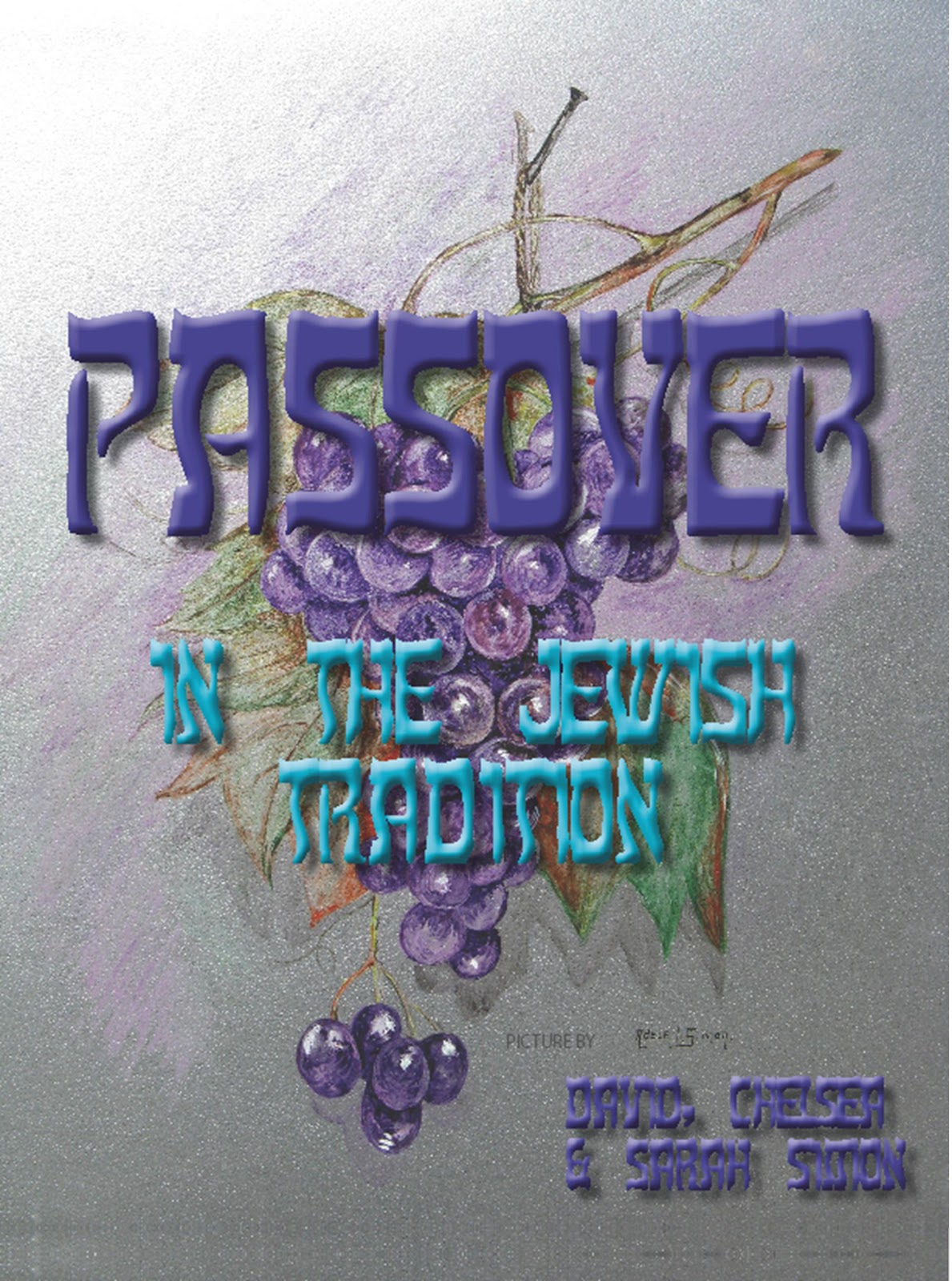
A Passover resource that explains everything

I have written a book to help pastors, churches and families to present a Passover Seder in its original context. I sought to re-created the meal enjoyed every year by my extended family so it could become a looked-forward-to tradition in Christian homes and churches. A Christian Passover in the Jewish Tradition will equip parents to lead the dinner at home (as it was in the time of Jesus) and pastors to model the dinner for their congregations. I have produced a $1 Kindle book so families and congregations can read along and join in the Passover celebration. My book Spring: Connecting with God shows how celebrating the Passover as families gave strength to the people of Israel. And this tradition can bring strength to churches today.

Friday, February 10, 2017

Preparation for a Passover Meal

Passover is a unique event which most churches have yet to discover. Communion, the Lord’s Supper and Eucharist originate from a section of the Passover celebration. The teaching of the Jewish people shared during the Passover can add great understanding to the meaning of the bread and the cup which Christians share regularly.
Most churches have never had a Passover Seder demonstrated for them, and therefore fear what this event might bring. The event is not designed to make people “more Old Testament,” convert Christians to Judaism, or to pull them away from their current church. The program is designed for people to have a better understanding of their own faith. The first step to preparation for a Passover Seder is to contact someone who can lead this for your church. If your church would like a Passover Dinner, click this link.
The desire to celebrate the Passover as a supper is worthy for a church because when Christians come together with one heart and mind in this expanded format of the Lord’s Supper they gain a larger picture of the event and grasp a fuller understanding of the meaning behind the bread and the cup. The story told during the Passover sets up a dialogue on how the freeing of the Jewish people from slavery and liberation from bondage to sin enable a believer to take their first steps in a journey with the Lord God.  Bringing the dream of a community dinner around the Passover observance is the first step in preparation for a church Passover meal.
The next steps get more practical, like what day should the event happen, who should lead the event and who should be invited to the Passover. For a large group the event needs to be calendared in advance and personnel enlisted for shopping, publicity, cooking and cleanup. A list should be made of the group selected for participation. This can be a family, a fellowship group, or the entire church. In the spirit of evangelism people from the community (probably people who are not Christians) should be invited to the event. Mailing lists, facebook posts, twitter feeds and e-mails with blogs and information should be planned and sent as scheduled. Personal invitations always build a larger and more complete participatory group.
For a church there are several ways to do a Passover presentation. For those who just want to get their toes wet, a speaker could be invited to give a presentation during the time of the sermon. The serving of the Lord’s Supper could be a part of this presentation. I personally think a great deal is lost when Passover is placed in the foreign environment of a church presentation with no personal involvement.
The original Passover was shared in the context of a meal. For us this meal was “no skimping” (except for bread) a full supper like a Thanksgiving dinner. A church or fellowship group must decide what type of meal they want and how it will be prepared. The two most common ways to prepare a meal are to organize a “covered dish” event or to enlist a cook for the meal. The Passover can also be held at a restaurant or as a catered event.
The two things I ask people to avoid during Passovers I lead are bread and pork products. To avoid bread or leavening is part of the teaching of the Passover. Tradition says the Jewish people left Egypt in such haste they did not have time to let their bread rise. Matzoh, an unleavened bread is served in place of our normal staple. The Jewish people replace traditional flour with Matzoh meal during the seven days of the festival. We know for a fact that Jesus would have done this.
One preparation for Passover which I all too often forget are the printed programs. During the home Seder a booklet called a Haggadah is given to each participant. These booklets are read during the meal and parts are given to different individuals. Participation adds to the festival and is part of the reason this celebration is much more effective around the dinner table than in an auditorium. I have published a participant's Haggadah available on Kindle for a very low cost.
I am a big believer that people can receive more benefit from activities by advance preparation. I have outlined in this blog post several areas to help people prepare for a Passover Seder. On February 20, I will detail some things which need to be on the table during a Passover celebration. These can be found in my book “A Christian Passover in the Jewish Tradition.” Most people who regularly lead Passover Seders will walk groups through practical preparation for a small group or church event.
The one area of preparation many people forget is in all probability the most important, spiritual preparation. The Jewish Rabbis of the first century gave great attention to preparation, I think because practical preparation for Passover leads to prayer which is the keystone of spiritual preparation. I will write more on spiritual preparation in a blog to be published February 24. I have published seven previous blogs to prepare for Passover. These are available for free  beginning with a March 8, 2015 blog (to view click here).

I can not emphasize enough the spiritual growth and understanding which comes through participation in a traditionally (or Messianic) observed Passover Seder. I will be glad to help you set one up, contact me for help or if you have questions.