Showing posts with label Bethlehem. Show all posts

Sunday, November 25, 2018

Zechariah the Priest

A song of ascents. - Psalm 121
“I lift up my eyes to the mountains— where does my help come from?
My help comes from the Lord, the Maker of heaven and earth.” …

     Tonight begins a season called Advent, “the arrival of a notable person, thing, or event.”
     In Christian terms, this means we are awaiting the arrival of Christmas, or more importantly, the coming of the Messiah into the world to bring Salvation for those who will accept and believe, and peace on earth.
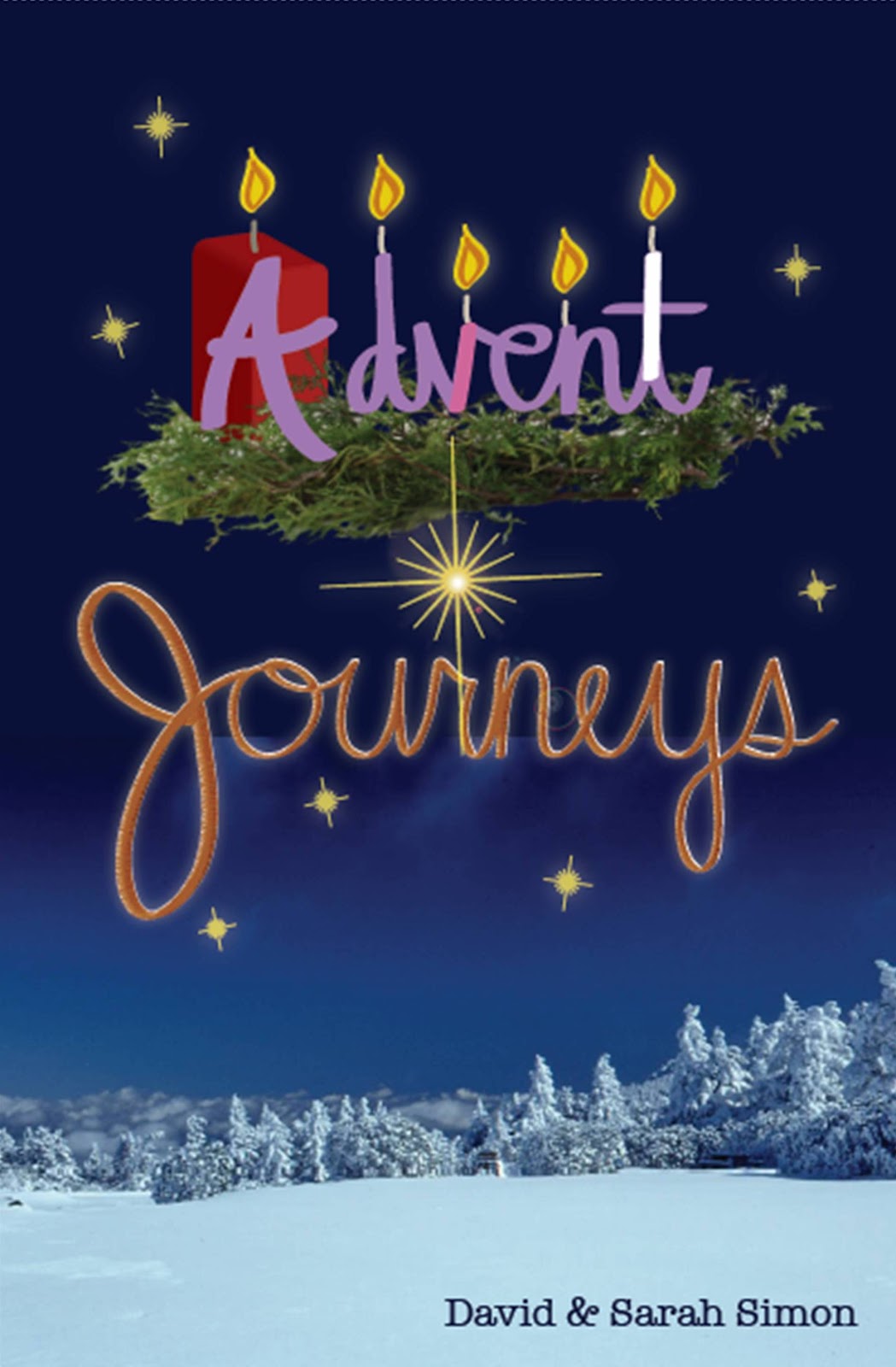
Advent Journeys - a great book to read during December
     The season did not begin with the birth of Jesus in Bethlehem. It did not begin in the New Testament, the story of Christmas can be seen throughout the entire Bible. Many verses in what is known as the Old Testament set the foundation and predict the arrival of the Messiah. The idea for Christmas began in the heart of God before the foundation of the world.
Floor of Beit Alpha Synagogue
     In the Christmas season this year, I want to focus on things of God that will prepare our hearts for the traditional Advent of Christ on December 25. The blogs this month will go along with the book Advent Journeys, which I would encourage everyone to read. [This can be done by purchasing a book, a Kindle e-book, or by reading the devotions on Amazon Prime].
Ein-Kerem, where Zechariah the Priest lived
     The first Journey of Christmas begins with a Priest named Zechariah. This man is often unfamiliar to readers of the New Testament, but his story occupies a large part of Luke 1. In this chapter, God connects us to the Hebrew Bible, called the Tanakh or Old Testament, to the words of the prophets, and to the world of Judaism in the days of Jesus.
Approaching Jerusalem from Mt. Scopus
     Zechariah is a Priest, a descendant of Levi, who serves in the Temple on rotation about five weeks each year. This system was set up by King David and instituted by King Solomon in order to create efficiency in Temple operations. Through the use of what the Jewish people call mishmarot or ma’amadot, every Levite between 30 and 50 years of age was able to serve in the Temple. (See 1 Chronicles 24-26) Zechariah the Priest is of the mishmarot of Abijah.
Temple model from Israel Museum, Jerusalem
     The story of Zechariah in my book Advent Journeys will take many Christian readers into unfamiliar territory. Worship today, whether in the Jewish Synagogue or the Christian Church has changed since the first century. The building called the Temple along with its traditions and practices was destroyed by the Romans in 70 AD. However, the things of the Temple were very familiar in the days of Jesus, and to his Disciples.
The Temple from model at the Israel Museum
     The Gospel of Luke originates in the Holy Place o f the Temple. It shares some similarity to Isaiah 6, where God breaks into history with a message for His people. Through the acts of God, the Priest Zechariah is able to carry the message of Christmas to his family and friends so that they and others might understand the coming of the Messiah.
Website - www.KosherCopy.com
     Please take time this week to read Advent Journeys and this year’s embellishments that are contained in this blog.

Saturday, November 24, 2018

A Church in Nazareth

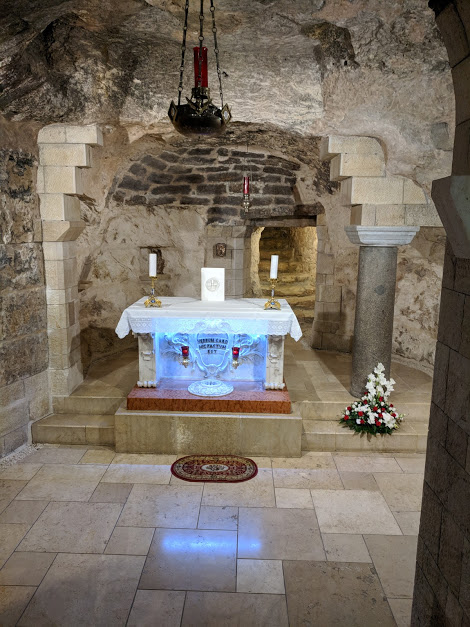
     This year, while in Israel, I had the chance to visit the Church of the Annunciation. This is the place where the Angel Gabriel said to Mary, “Do not be afraid, Mary; you have found favor with God. You will conceive and give birth to a son, and you are to call him Jesus. He will be great and will be called the Son of the Most High. The Lord God will give him the throne of his father David, and he will reign over Jacob’s descendants forever; his kingdom will never end.” (Luke 1)
The house where Mary met the Angel
     The church is interesting, because it contains relics of Nazareth’s past. In the middle of the church there is an old house. This is the supposed home where Mary lived with her family, and the place where the Angel spoke to her. The church is inspiring. I have more pictures of the church on the KosherCopy facebook page. (While you are looking, please ‘like’ the page.)
The Church of the Annunciation is a busy place today
     The story of Mary is much like some of our what happens in our lives. We get busy, handle the important matters of life, and oftentimes miss out on the most important matters of life. Mary was involved in a relationship with the man she loved, and was planning a wedding with her family. I am sure she also had daily chores, and other things she did around Nazareth, the small town where she lived.
In the first century, it looked more like this farm
     Then the Angel came, and interrupted her life. The Angel told her God had great plans for her. Mary said, “How will this be?” She was from a small town, and was from a family she thought was of low status. There was no reason the God of heaven should notice her and nothing in her life to bring her to greatness. Yet God chose her.
     The Angel said, “You will conceive and give birth to a son.” Mary responded, “How will this be since I am a virgin?” And she realized her life was about to change. Normal children bring change to normal parents. For Mary, the change was greater. She was yet to consummate the marriage (and becoming pregnant could mean divorce, and/or death by stoning!) and the Angel was telling her she would have ‘the perfect child.’ Mary was not ready for this announcement.
A Christmas sign in Nazareth, Israel
     Often, we are not ready for the things that God wants to bring into our lives. We take life as it comes at us.
     But we should stop. Every day we need to take time off, and spend it with God.
     Especially at Christmas, which is why I wrote the book Advent Journeys. I wanted to prevent life from consuming our family, so we could take in Christmas rather than Commercialmas or Crazimass.
The day of the month is on the outside, reading inside
     I hung a paper chain in our dining room to remind us to take time for God. I encourage you to do the same. (Instructions are on my website). Especially if you have small children (or even older children), take the time to celebrate the real Christmas.
Please visit my websiet

     Please take time to read my book, Advent Journeys, through Kindle Reader, free on Amazon Prime, have your local library order a copy, or order your own book. The readings will add meaning to your Christmas. And let me know what you think at KosherCopy@gmail.com

Monday, January 29, 2018

When King Herod was Little

While Beit Guvrin and Maresha, towns not familiar to most people who study the Bible, knowing what happened in these towns will give clues to the formation of King Herod’s personality. In all probability King Herod the great was born and grew up in the region of these cities. Josephus contains a reference to this fact in the Antiquities of the Jews 14.13.9. The town of Maresha is very ancient, Joshua makes a note that this village was part of the inheritance of the tribe of Judah. (15:20, 44). Rehoboam fortified the city (2 Chronicles 11: 5-8) and later Nebuchadnezzar depopulated the region.
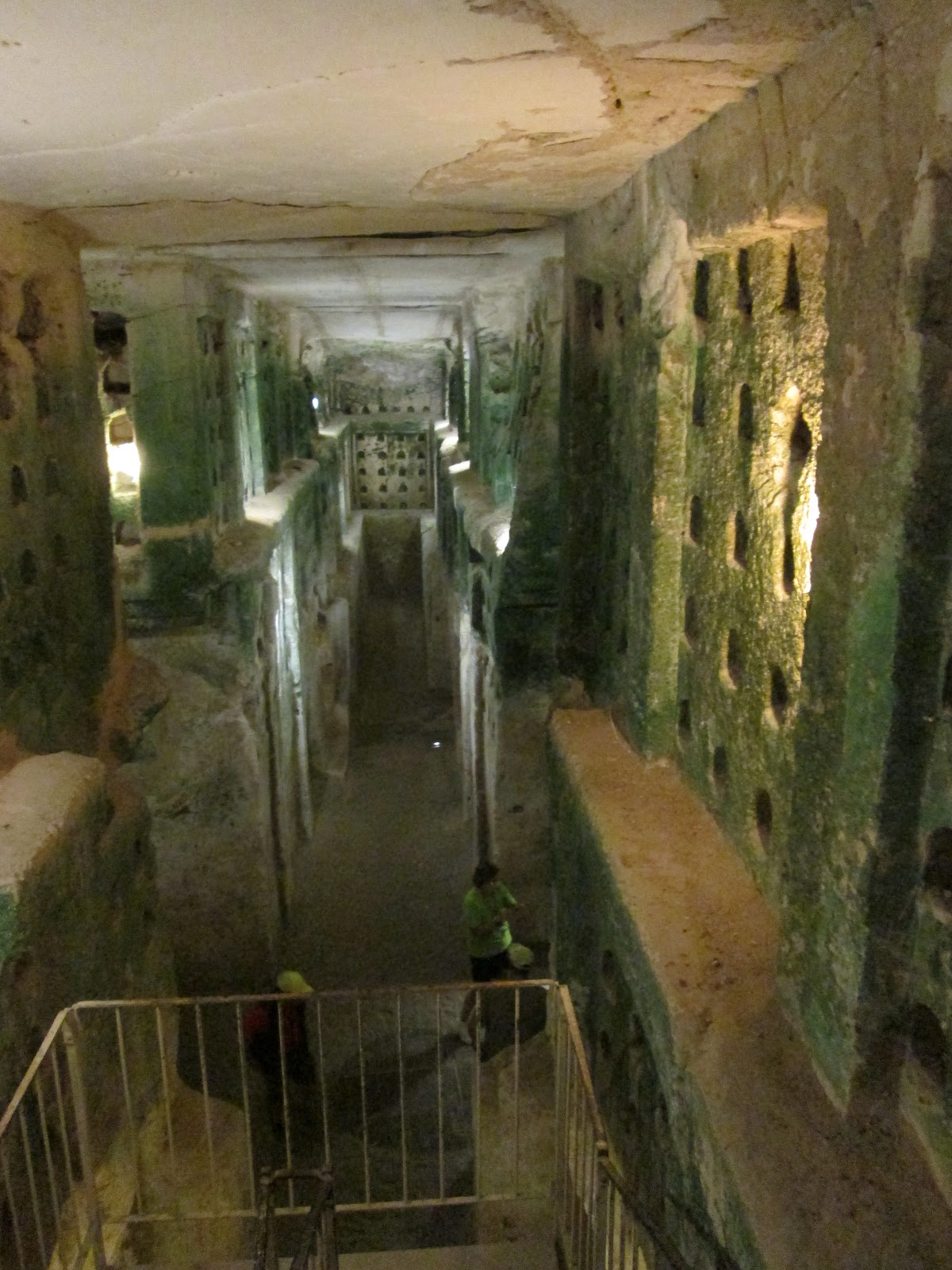
The Dove Farm at Beit Guvrin
When the people of Judah were away in captivity to Babylon, Nabateans, then Edomites (Idumeans), and finally Greeks entered the land in the Guvrin valley. These new people adopted the vacated olive groves (which originally drew them to the land), and brought with them textile and dove breeding industries which prospered in the valley.
   After the Maccabees came to power, Beit Guvrin and Maresha became a target for their new Hebrew state, because it was in the former territory of Judah. In battle they defeated the people who lived in the valley and once captured, Maresha became a regional capital for the Jews, who forcibly converted its inhabitants to Judaism. One of the Idumean inhabitants, Antipater, posed a challenge to the new Jewish rulers.
The Dove industry was large when Herod was a boy
Antipater was Herod’s father. History records he was a very rich, politically active, and seditious man who owned a great amount of property in Maresha (which is what the village was called at that time). He inherited these from his father, who carried the same name. Josephus wrote; ‘’Tis true, that Nicolaus of Damascus says, that Antipater was of the stock of the principal Jews who came out of Babylon into Judea. But that assertion of his was to gratify Herod, who was his son; and who, by certain revolutions of fortune, came afterward to be King of the Jews.” (Ant. 14.1.3)
The short stories in this book illustrate Herod's childhood

In my new book I develop a story about how the young boy Herod grew up in Maresha and received early training from his father in the textile and then the dove industry. He learned valuable lessons in leadership when his father placed in in management. The future king learned his cruelty by observing personality types while tending the doves his father owned. I share stories about how Herod’s childhood in Beit Guvrin and Maresha shaped events of the New Testament in my book, Israel: Stories for Your Journey, available on Amazon.com.

Saturday, April 1, 2017

Jesse’s Sons: Part 2

Eliab and his father Jesse spent the month descending the steep slopes below Bethlehem and then another month guiding their herd through the rich agricultural lands along the Elah river allowing the sheep to graze on the barley stubble. The valley was greener and the trees were taller than around Bethlehem, which he called home. The people of this region were odd, not like his friends in Bethlehem. They spoke with a different accent, ate unclean foods and paid homage to strange gods.
Early picture of the tel at Gath
As the shepherds and their sheep rounded the bend past Azekah the Valley began to widen and Eliab was amazed at the large city and the fortress which appeared before him. The hill was at least 300 feet tall with a white coloration, and even from what would normally be a two hour walk (if he and his dad were not slowed by the pace of the sheep) he could see high walls along the ridge upon which the city sat. His father told him this was the powerful city of Gath (Tell es-Safi), a stronghold of the Philistines and the sons of Anak. Jesse saw the look of amazement on his son’s face and stopped him to explain.
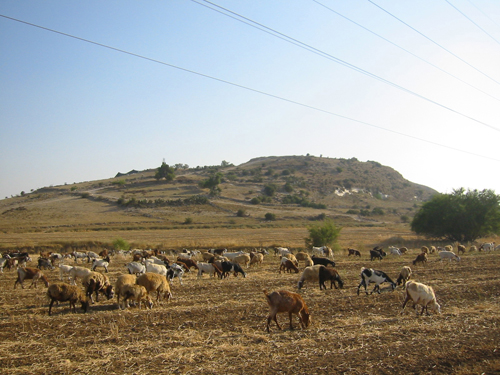
Sheep below Gath - Aren Maeir, Bar-Ilan University
“You will find these people different than our people, and they are unlike the Canaanites we have seen in the valley. These are the Sea Peoples, a strong civilization of warriors who feel that they should own the world. The Philistines rule their territory from five strong cities, Ekron is five miles north. Ashdod, Ashkelon and Gaza are to the south and closer to the coast. Gath ruled by King Achish who is the guardian of the Valley of Elah and the coastal plain below his city. He will allow us to graze our sheep in his territory because the people need meat and wool which comes from our animals. But do not trust anyone, and do not go out of your way to talk with them. Answer when spoken to, but keep your conversations short.”
Gath from the air - from Ferrell Travel Blog
Jesse explained to Eliab, and to his other sons when they first beheld this city, that the people were as strong as their city walls. They had developed a metal called iron, which was far greater in strength than any material which the Hebrews could use. If confronted in a fair face to face, hand to hand, strength to strength battle the Philistines would probably win because their weapons and training were superior to anything Jesse or his people possessed. There were giants in the city, which Jesse had seen. Several were at least eight feet tall, and probably larger. Eliab was to keep his distance from these people, and he was to let his father deal with them as they sold food and cloth.
Jesse had been in the city which was very large, loud and cosmopolitan. The gates of Gath were formidable. The ramparts atop the wall were expansive, and the King’s palace was elaborate. The market was several times larger than any village in the Judean highlands and the dwellings were several stories tall. The city was a busy place in which a person could easily get lost, and if not careful a man could get hurt or killed by these warrior people.
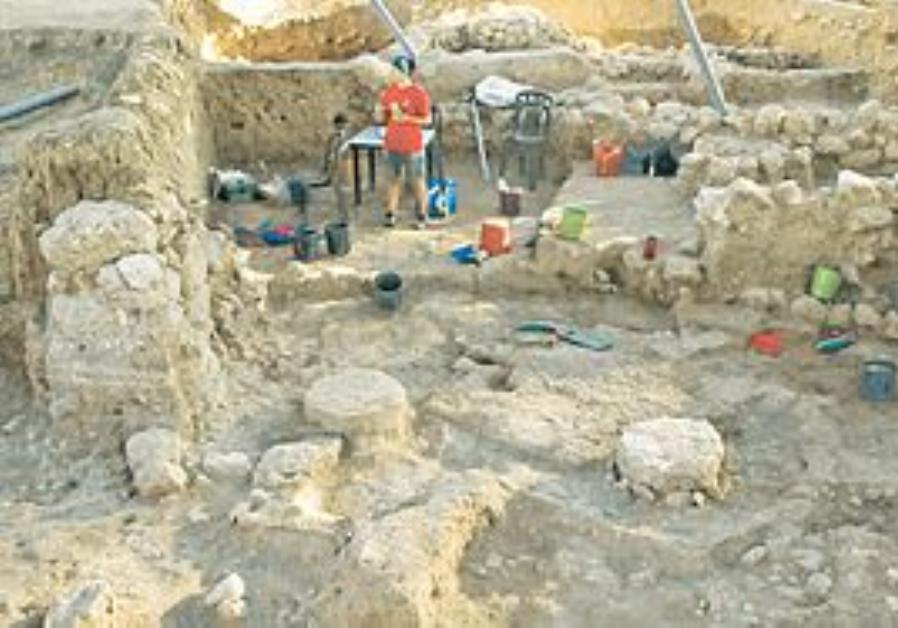
Area F staff and the Early Bronze fortification wall at Tell es-Safi/Gath
The people were especially proud of their great temple to dagon, a god of grain. Jesse told the story of how the Hebrew people battled with them during the settlement of the land and how at one time they captured the Ark of the Covenant. He said, “It was only by the strength of our God that we got it back.”
Jesse told the story of Samuel who was called a judge by the Hebrew people. “In the end,” he said, “Samson was betrayed by Delilah and taken captive by the Philistines who put his eyes out and made him tread grain like an oxen before their god dagon.”
Temple of dagon with its two pillars
Eliab remembered the story and added, “But when the Philistines tried to show the power of their god over our people by chaining Samson to the twin pillars in their temple this strong man was able to shove the supports apart and crush the heathen through the destruction of their temple and their god.

Friday, March 31, 2017

Jesse’s Sons: Part 1

Sons, there were 8 of them and they knew their job. Their job was to shepherd the sheep. Eliab was the oldest, and therefore he was the first of the sons to shepherd the sheep. As the other sons got older they would also take care of the family’s crop of animals. Each son in order would go out with his father, and then his brothers to learn the family craft. They were like Abraham, Isaac, Jacob and his sons. The family was involved and learned the family trade.
A view of the land near Bethlehem in the Judean highlands
In Israel, in the years of the Judges, that meant starting early. When Eliab was but eight years old his father Jesse brought him to the fields of  Bethlehem in order to learn the ways of the sheep and how to care for them. By ten he was ready to leave home for the summer and travel with the herd, for sheep can be hard on the pasture and must be moved from field to field so the land does not wear out. Jesse, as all good shepherds had mapped out a route and taught what he learned about life to his sons.
Caring for sheep on the slopes of Judea
Jessie did not start out as a shepherd.  His father and his grandfather were farmers who raised grain in the Bethlehem highlands. But each winter as a boy he would see sheep which grazed on his father’s land and on other pastures in the area throughout the winter.  He watched the animals and talked to the shepherds. He would hear tales of adventure as the men would journey to the lowlands each year as they cared for their sheep. The son of Obed decided he wanted see to live a life of adventure like the stories he was hearing. He would spend nights with the shepherds to learn about the sheep, and then one day he told his father that this was the life for him. Farmers stay put and shepherds guide sheep.  Jesse wanted to see the world and being a caretaker of sheep would enable him to earn a living and see the world.
A view of the Judean highlands from the Shfela
Each spring Jesse and then his sons led sheep from the high fields of Bethlehem to find better pasture as the earth sprung to life below. He began by descending the steep slopes of the mountains to find what was growing and where the animals could graze. The annual rains would percolate down through the soil until it hit rock, and then it would surface through the multiple springs on the Judean slopes. The sheep would eat fresh food and drink clear water. Jesse, Eliab, and eventually his other sons would sleep in the cool of the caves which dotted the land.
By the full moon of Passover it was Jesse’s goal to be down the mountain and into the low hills called Shfela.  Some of the farmers had raised their first crop, barley, and the chaff and stubble left behind by the harvest made good fodder for sheep. This rich valley was an agricultural dreamland and would bring fatness to the family’s sheep so when the time came for them to be sold each sheep would bring a good price for the family to bring home before the autumn rains.
The green valleys near Azeka in Israel
In time the stubble would give out, and it was time to move on. As the son of a farmer, and now a shepherd, Jesse had learned not to test the patience of farmers. If he was kind to the people who lived on the land and limited damage by his sheep the herd could move without trouble. But if his sheep damaged the earth he would suffer the consequences.
Jesse taught his skills to his sons: To Eliab, to Abinadab, to Shimea, Nethanel, Raddai, Ozem and also to David. They each learned their lessons well as father taught son and son taught brothers and together they worked. The family made friends as they traveled and ate the fruits of the earth and saw the world which lay beyond the small highland community which they called home.
By summer this shepherd family worked their way from the high pastures near Bethlehem, down the steep hills with caves, through the valleys of grain until they reached the plain of Sharon. And it was here they rested. The streams were plentiful and the grass was abundant, and so they slowed their pace to enjoy the place and fatten the sheep.
A view of the coast-land from Tel Gezer
But they did not rest too much, for a shepherd must always move on, and in this coastal plain while the animals grazed the shepherds kept watch, for a strong people in walled cities inhabited this land.  But Jesse and his sons did not fear the people, they only watched. They also sold sheep which they grew to the foreign people who occupied this land, for the people needed food, wool, milk and other products which the herd could provide. Jesse sold some sheep, and he thinned the flock, and by the time of the fruit it was time to move again. This time they would go up the hills and not down.
The day’s work was like this: find a place to graze, guide the sheep, set a boundary and watch. Protect the flock from humans and predators, from eagles, snakes, bears, lions and people. Jesse and his sons worked hard to make sure their sheep grew fat in order to be sold.  Each spring it was down the hill, each fall it was up the hill to return to Bethlehem before the fall rains. And then there was rest.

Wednesday, December 21, 2016

Trip to Bethlehem

I am pleased to announce a much anticipated 2018 trip to Israel. This trip will be like few others, with five guides who each have unique knowledge, perspectives and interesting stories to share while we are on the ground in Israel.
Dome of the Rock from the Mount of Olives
This week’s readings in the devotional Advent Journeys framed a portion of our upcoming trip to Israel as the Magi travel past Caesarea-Philippi, down the Hula Valley, around the Sea of Galilee and beyond through the Jordan River Valley. My trips to Israel helped me to understand much more of the Bible through the context of experiencing the geography of the land of Israel.  We will travel through the places and experience some of the sights (topography and fauna) seen by the heroes of our faith.
Advent Journeys, a book worth reading!
The first idea which developed into the book Advent Journeys was to walk the route of Joseph and Mary through central Israel. The events which occurred along this road framed our Bible and demonstrate God’s love and care for us in life, no matter where life takes us. The adventures which occurred along the Patriarch’s Highway, in the Jordan River Valley and at the other sites we will visit tell of God’s love, protection and gift of salvation.
The road from Nazareth across Jezreel Valley
As I laid out our trip I made sure we included the Jordan River Valley, the Via Maris (coastal highway) and an excursion to Shiloh. This site is north of Jerusalem along a route known as the Central Ridge Road which was traveled by Abraham, Isaac, Jacob and his sons, Joshua, Samuel, King David, Ezra, and Jesus. This route forms a portion of week two in Advent Journeys which I have only explored from satellite mapping, travel journals, the Bible and modern facebook pages. Now I will be able to travel this road in the comfort of an airconditioned bus and share its stories with you.
Satellite map showing the route of Joseph & Mary
We will travel the the Central Ridge Road (also known as the Patriarch’s Highway) in order to visit Shiloh, the site of Israel’s earliest place of worship known as the Tabernacle. We will see the extensive archaeological exploration at this site and discover its importance in the Bible. We will see Bethel, Mizpah, Ramah, Anathoth and other sites along the way.
From Nazareth looking to the east
Our trip will include Tel-Aviv, Joppa, Caesarea, Mt. Carmel, Megiddo, Nazareth, Sepporis, Galilee, Katzrin, Mt. Hermon, Mt. Arbel, Magdala, Jericho, Masada, Qumran, the Dead Sea, Jerusalem, Gezer, the Wilderness of Zin, Arid and Beer-Sheva: in other words, all areas of Israel. You will have the option of a nine day trip or a fourteen day excursion (Take the fourteen day excursion, this truly is the trip of a lifetime and will make the Bible come alive!)
The city of Joppa as seen from the Mediterranean beaches
I will make available for those who go with me not only an agenda for this trip, but also a detailed itinerary for those who enjoy reading, and desire to know where we are going so they can spend time looking around the places they have studied. I like to study a place before I go so I can spend my time away from home looking at and experiencing the land rather than playing catch up through readings or lectures. I will send these to be placed on a tablet or kindle which can be easily carried to Israel.
Exploring the Dome of the Rock and Temple Mount

I will soon have more details on my website, including travel dates and cost of the trip. To receive updates, learn about the trip or to sign up please like and follow KosherCopy on Facebook. With this blog I am inviting you to travel with me and come to see the Bible as only those who have set foot in the land of Israel can understand.

Wednesday, December 14, 2016

Shepherds of Greatness

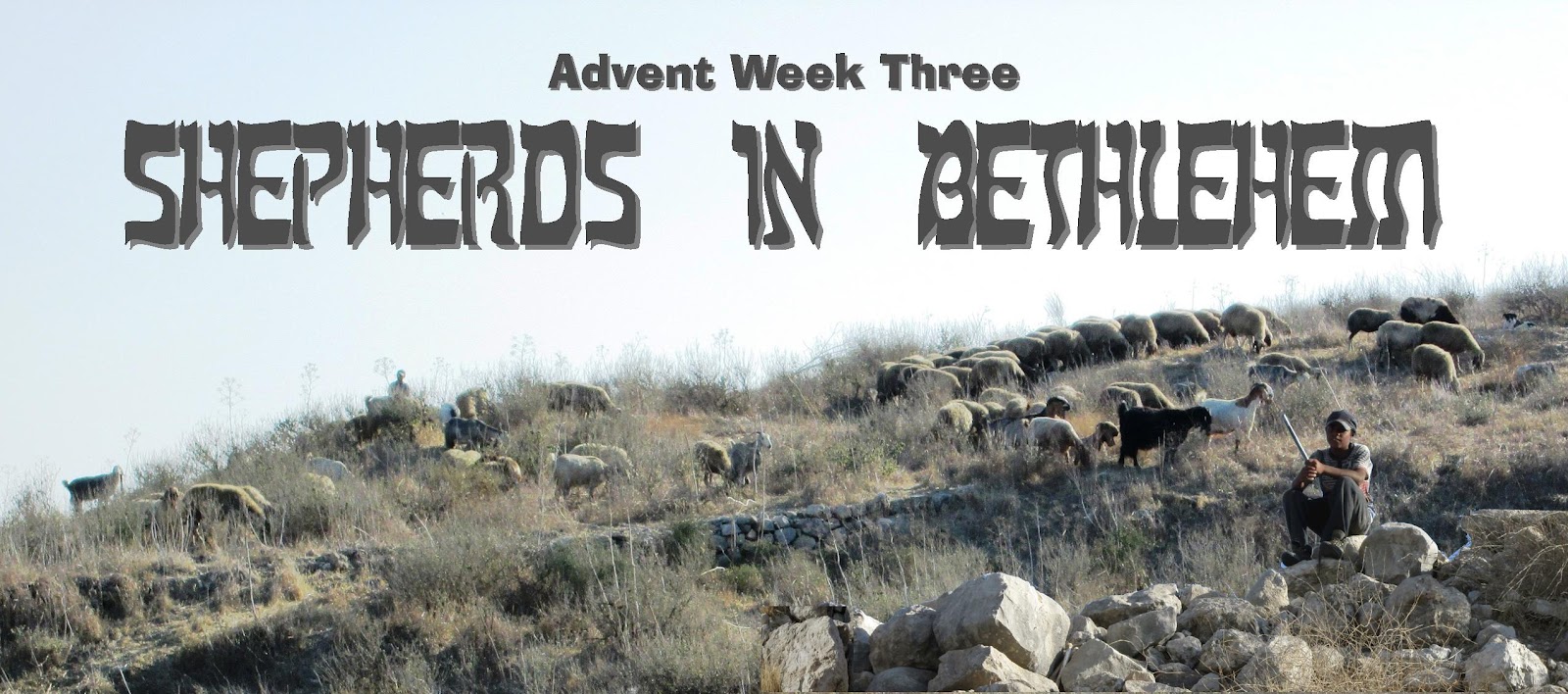
This week in the devotional Advent Journeys we move to the fields outside Bethlehem. Have you ever wondered what it would be like to live as a shepherd? There is more to the life than just following sheep. Take a look at the devotions this week, you can explore for free if you are an Amazon Prime member. I think you will enjoy the adventures of the Shepherds.
The Bible has a lot to say about shepherds. The first shepherd in the Bible (and we can assume the man who domesticated sheep) was Abel. His work, his heart of faith, and his offering pleased God. God’s love for Abel was seen by all (but there were not many people in the world at that time), and was displeasing to Abel’s brother Cain.
The Patriarchs: Abraham, Isaac, Jacob and Jacob’s sons were all shepherds. They developed large flocks, enjoyed great prosperity and developed quite a reputation as businessmen. Some of their neighbors were not too keen on their success. The Philistines stopped up their wells and attempted to get them to move, but God protected the Hebrew people.
Moses took up shepherding at the age of forty after a tragedy made a move necessary to sof ha’olam smola (סוף העולם שמאלה). Moses possibly learned the basics of shepherding through leadership training in Egypt in the school of Pharaoh. On the back side of the desert Moses met his wife, saw a burning bush and received his call to lead the people of Israel out of Egypt. (Who ever said Shepherding is boring?)
In an opposite way a shepherd boy named David received training to become King of all Israel through his leadership of sheep. (I wonder if there is a similarity between dumb sheep and a nation full of people). David learned bravery through protecting his sheep. He learned to sing and compose music either through necessity because of the vastness and emptiness of the Judean wilderness or through the constant bleating of the sheep. The solitude of the desert also taught David to worship God.
Shepherds are a unique group of people who carry a huge responsibility. This week we will join the shepherds as they live out their responsibilities and carry out their duties. Please, join the reading!

.

Sunday, December 20, 2015

The prophecy of Balaam

We live in a small world.  With modern transportation we can easily travel to almost anywhere.  We read and share traditions from around the world in our stories, merchandise, and food.  We enjoy furnishings from the orient, art from Italy and carvings from Africa.  We eat at Chinese, Italian, German, and Mexican foods.  We tell stories from Greek, Roman and Norse mythology, and we share the tales of King Arthur and Shakespeare.
The sharing of stories, merchandise and food between nations is not new. World empires of Babylon, Persia and Greece began a mixing process.  People in the Middle East and also in Europe gained a taste for products from India and even China.  Stories, pottery and foods were also shared from the west to the east via Hellenistic culture.  
In the middle of the world both in ancient times, and now, is the land of Israel.  Israel is the link between east and west, north and south.  The via Maris is the main road to Egypt.  The King’s Highway is the main road to the sea which leads to Africa.  All armies and cultures in times past have passed through Israel.
And Israel has given to the world its stories and its God.  The stories came at first through bondage to Egypt and as the people of Israel were conquered by Assyria and Babylon.  Through the passing of time and the mixing of cultures stories were shared by people on three continents.
One of the stories which successfully passed from one culture to another was the prophecy that a king would come when an unusual star was seen in a certain constellation.  The story springs from the prophecy of Balaam (possibly from Ammon) which states: “I see him, but not now; I behold him, but not near: a star shall come out of Jacob, and a scepter shall rise out of Israel; it shall crush the forehead of Moab and break down all the sons of Sheth.” (Nu. 24:17)
It is thought that the Hebrew prophet Daniel who was born in Israel, lived in Babylon, and possibly died in Persia, informed the magi of Babylon and Persia of this prophecy.  He also shared a connection between this prophecy and Genesis 49:10, “The scepter will not depart from Judah, nor the ruler's staff from between his feet, until he to whom it belongs shall come and the obedience of the nations shall be his.
Strabo the geographer writes about the time Jesus was born: the prophets too were held in so much honour that they were deemed worthy to be kings, on the ground that they promulgated to us ordinances and amendments from the gods, not only when they were alive, but also when they were dead, as, for example, Teiresias, ‘to whom even in death Persephone granted reason, that he alone should have understanding, whereas the others flit about as shadows.’ Such, also, were Amphiaraüs, Trophonius, Orpheus, Musaeus, and the god among the Getae, who in ancient times was Zamolxis, a Pythagoreian, and in my time was Decaeneus, the diviner of Byrebistas; and, among the Bosporeni, Achaecarus; and, among the Indians, the Gymnosophists; and, among the Persians, the Magi and the necromancers, as also the dish-diviners and water-diviners, as they are called; and, among the Assyrians, the Chaldaeans; and, among the Romans, the Tyrrhenian nativity-casters. Moses was such a person as these, as also his successors, who, with no bad beginning, turned out for the worse. (Geographica XVI, ii, 39)
Our Bible tells us Magi saw movements or changes in a star in the east (possibly Aldebaran) and put it together with prophecies from the west they understood a new king was to be born.  They gathered gold, frankincense, and myrrh and traveled down what is called the silk road in search of the king foretold in their prophecies.
This week we will travel with the Magi in the book Advent Journeys. I hope your reading is going well, and spending time with the people of the Christmas story is bringing joy to your Christmas.
Saturday, December 19, 2015

Angelic Messages

Behold, an angel of the Lord stood before them, and the glory of the Lord shone around them.” (Luke 2:9) Today, in the book Advent Journeys we talk about angels, angels who came and made an announcement to the shepherds.  For this Blog, I decided to start with a questionnaire to see how much you know about angels.
  1. What is the translation for the word “angel”?
  2. Where is the first use of the word angel in the Bible?
  3. Who are the two named angels of the Bible?
  4. What is the name of the angel who told Daniel the meaning of the 70 weeks?
  5. What is the name of the angel who spoke to Zechariah, father of John the Baptist?
  6. What is the name of the angel who spoke to Mary telling her she was pregnant?
  7. What angel spoke to Joseph concerning the birth of Jesus and the anger of Herod?
  8. What was the message spoken by the first angel which appeared to the shepherds?
  9. What message was spoken by the multitudes of angels to the shepherds?
  10. What do angels tell us about Christmas?


Here are the answers to the above questions:
  1. The words מַלְאָךְ (mal'ak - Hebrew) and ἄγγελος (aggelos - Greek) mean “messenger.”  Angels serve God and do His bidding.  One of the areas of service is to bear messages.
  2. The first use of the word מַלְאָךְ is found in Genesis 16:7, telling Hagar to go back to Sarah.  Some people see the angels gathering with God in Genesis 1:26, which says, “Let us make man in our own image...”  In Midrash Rabbah Rabbi Yochanan taught angels were created on the second day with the heavens (Psalm 104:3-4), but Rabbi Chanina argues it was the fifth day when God made the winged creatures.  Another early reference to angels is found in the first chapter of Job.
  3. Gabriel (warrior of God) and Michael (who is like God).  There is also the mysterious “man clothed in linen”
  4. Gabriel
  5. Gabriel
  6. Gabriel
  7. This angel is identified as “the angel of the Lord”  … possibly Gabriel
  8. Do not be afraid, for behold, I bring you good tidings of great joy which will be to all people. For there is born to you this day in the city of David a Savior, who is Christ the Lord. And this will be the sign to you: You will find a Babe wrapped in swaddling cloths, lying in a manger.” (Luke 2:10-12)
  9. Glory to God in the highest, and on earth peace, goodwill toward men!” (Luke 2:14)
  10. The angels tell us Christmas is about Christ.  They are looking to Christ in Luke 2:14; and also in Psalm 103:21; 148:2; Mt 18:10; 25:31; Luke 15:10; Hebrews 1:6; 12:22; Revelation 5:11-147:11
The angels worship God and serve Him.  There are many wonderful passages about angels in the scripture.  There are also some not so wonderful passages: such as Ezekiel 28, which displays what happens when we place the focus on ourselves rather than heaven.
May this Christmas be for you, as it was for the angels of Heaven, who, when the great news was shared, said, “Glory to God in the highest, and on earth peace, goodwill toward men!” (Luke 2:14)