Monday, January 23, 2017

To Make America Great - Again!

This week a new era started, with a new President, new cabinet members, new governors, mayors and many other world and local leaders who have just come into possession of the position they desired. The era began with the chant, “Make America Great Again!” What does that mean?
Our flag contains the story of our beginnings and expansion
We must first define America. America means the Western hemisphere of the world. It is made up of two continents with a connector and islands. America is named after Amerigo Vespucci. Our hemisphere is made up of many nations. The United States of America is one of the many nations, but there are others.
The Statue of Liberty welcomes immigrants from across the globe
The United Mexican States (Estados Únidos Mexicanos) is another nation which shares a border just to the south of the United States. The people of Mexico speak Spanish as do most of the other nations in America. Spanish is spoken by more people in our hemisphere and in the world than English. Many people in the eastern United States do not realize the rich Hispanic heritage of the southwestern region of our country which pre-dates both our independence and the incorporation of those states into the United States.
To “Make America Great Again” repeats the theme of an earlier time in the United States when the America First Committee was formed so we would not get pulled into the conflict of the century across the ocean. The America First Committee was one of the largest anti-war organizations in American history claiming over 800,000 members including John F. Kennedy, Gerald Ford, Walt Disney, Sinclair Lewis, E. E. Cummings, Charles A. Lindbergh and many others.
Our country is always growing and giving opportunity to all
When most people hear the phrase “Make America Great Again” we think of a time in the past captured through the paintings of Norman Rockwell. Some of the paintings have titles like Freedom from want, Walking to Church, They Remembered, and Freedom from fear. These paintings remind us of an era where people belonged to a strong community. They talked to each other, ate picnics together, competed in sports and enjoyed public events.
But this is not the America of today! The America of today is fragmented and fearful. We protect and insulate ourselves from others so we can exist in our own little world. We purchase security systems and guns because we fear. Some people put bars on their windows. And we talk of building a wall in south of Texas to keep American intruders out.
Norman Rockwell's "Trumpeter"
One demographic of our society, the people most likely to say “Make America Great … Again” really harbors a desire to make themselves great … for a first time. It's like the dream of the lottery. The slogan could just as well say, “Make Me Greater than anyone else.” But this is not what made our country great.
The United States of America becomes great when we realize we are in this together. We are a nation of many people and many races. What began as the land of indigenous people became a land of immigrants: Spanish, Portuguese, Dutch and English. The Scotch-Irish and Germans and Eastern Europeans joined the mix as did Vietnamese and Indians, Chinese and others. We are a land which celebrates our differences, and similarities.
The United States opened doors to everyone
In a great America the masses are productive and valued. Those who amass wealth understand their responsibility to contribute to the welfare of everyone. The rich understand and fully participate in targeted benevolence (not government handouts) in order to advance those for whom the American dream is out of reach.
A great America is not a place where we protect our interests by finding tax loopholes. It is not a land which gives extravagant salaries to CEO’s. America is not the place where we take advantage of “cheap labor” south of the border or elsewhere. It is a land which gives appropriate rewards to those who work and watches out for the welfare of all (including those who can’t work).

A great America is a place where we turn off our televisions, computers and cell phones in order to come together for community events like picnics, baseball games, concerts, cultural events and worship. A great America would be a place of high morals where the phrase “do unto others and you would have others do unto you” has meaning and reality. It is a place where we care about one another because we know one another and we like each other. It is a place where Republicans talk to Democrats and include Libertarians and others in the mix because we become great by sharing ideas across party lines and working together.

Friday, January 20, 2017

Of Presidents and Royalty

Today the baton passes from Barack Hussein Obama to Donald John Trump. With the changing of the guard we will see differences in rhetoric, communication style and outward focus on the public side of Washington. Away from public view, because of the bureaucracy, some things will remain same.
Program near the steps of the Capitol in Washington, DC
Eight years ago I looked at the name of our President: Barack Hussein Obama. Barack is Hebrew for blessing (or lightning), Hussein is Arabic for a good or beautiful child. It is also a name for kings, such as the King of Jordan and former king of Iraq. Obama is a family name.
Parade in Washington, DC
Our new President also has an interesting name, Donald John Trump. Donald from the Gaelic Domhnall means ruler of the world. John or Johannan comes from the Hebrew word (יוֹחָנָן) God has graced. Our new President’s last name is a shortened form of an occupational term, Trumpeter. This is appropriate because twittering can be seen as a different form of trumpeting.
Constitution Hall in Philadelphia, PA
Today in Washington D.C. we transition from the reign of “Lightning beautiful child Obama” to the ascendancy of the “Trumpeter who is by the grace of God a Ruler of the World.”
Statue of Liberty welcomes immigrants to the USA
So, what will the administration of Donald John Trump look like? I borrow a line from Fiddler on the Roof, “I tell you, I don’t know.” For the time being I just observe. In four years we will know, and in fifty years historians will decide what “really” happened during Trump’s tenure.
What a fractured world looks like from World Trade Center
One thing we do know (and that we have already seen), promises will be broken. This is true of all Presidents. They can not be blamed, especially a man like Donald Trump, for he comes with no experience in government. And even if he had experience, there is no way to anticipate future events which will torment or bless his dynasty.
Festival on the Mall in Washington DC
A second thing which our new President will discover is that the office of the President changes a person. Contrast the philosophies of Barack Obama eight years ago with what we see in him today, there is change. This can be said of any President. During each year of our President Trump’s sovereignty we will see changing strategy. And if his hairdresser does not mess with it, we will see the graying of the hair which comes with wisdom.
Changing of seasons in the mountains
My prayer for our new President is that he will bring to pass the self-evident truth “that all men are created equal, that they are endowed by their Creator with certain unalienable Rights, that among these are Life, Liberty and the Pursuit of Happiness.” By this I mean that all people: Black, White or Brown; Christian, Islamic, Hindu, Buddhist, Jewish, Agnostic or Atheist; Rich or Poor, Democrat, Republican or Libertarian; Inner City, Suburban or Rural, will come to have value.
A street in New York City
The scripture tells us, “When he takes the throne of his kingdom, he is to write for himself on a scroll a copy of this law, taken from that of the Levitical priests. It is to be with him, and he is to read it all the days of his life so that he may learn to revere the Lord his God and follow carefully all the words of this law and these decrees and not consider himself better than his fellow Israelites and turn from the law to the right or to the left. Then he and his descendants will reign a long time over his kingdom in Israel.” (Deuteronomy 17:18-20)
The President should defend the cause of the fatherless and the widow, and love the foreigner residing among within our land. (Dt. 10:18)  He should guard the common laborer and make sure they receive a fair wage “because they are poor and are counting on it.” Our bankruptcy laws should be overhauled to make sure workmen and small business owners are always paid for work performed. (Sorry about the rant but too many Christians have told me there was no problem with Donald Trump’s declaration of bankruptcies in order not to pay small businesses because the law allows it). “Otherwise they may cry to the LORD against you, and you will be guilty of sin.” (Dt. 24:15) The President (and all of his men) should not murder, commit adultery, steal, bear false testimony or send wrongful tweets. (Exodus 20)
Lincoln Monument and Reflecting Pool in Washington DC
We are to “be subject to the governing authorities” (Romans 13:1) and submit to the king as the supreme authority.” (1 Peter 2:13) Paul wrote, “that petitions, prayers, intercession and thanksgiving be made for all people--for kings and all those in authority, that we may live peaceful and quiet lives in all godliness and holiness.” (1 Timothy 2:1-2)

Many approach the next four years with great hope. Others move forward in great trepidation. I pray that in the end we will find unity, prosperity and peace.

Wednesday, January 18, 2017

Israel Discoveries and a Fantastic Journey

I am pleased to invite you to join me on a 14 day trip to the Holy Land. I will be writing about different places we will visit over the next year on this blog (at least once a week). I do want you to join me on this trip to see Israel, meet the people, see the sites and hear the Bible stories. To see the full agenda or to sign up, click the links. You will be rewarded through personal discoveries and experiences by going on this journey.
Visit our website www.KosherCopy.com for details
Our trip to Israel will be comprehensive. We will journey throughout the land and visit each region. You will discover differences in terrain and how lives of people in the Bible were impacted by where they lived, the places they traveled and through the people they met.
Visit Independence Hall and Hagannah Museum in Tel Aviv
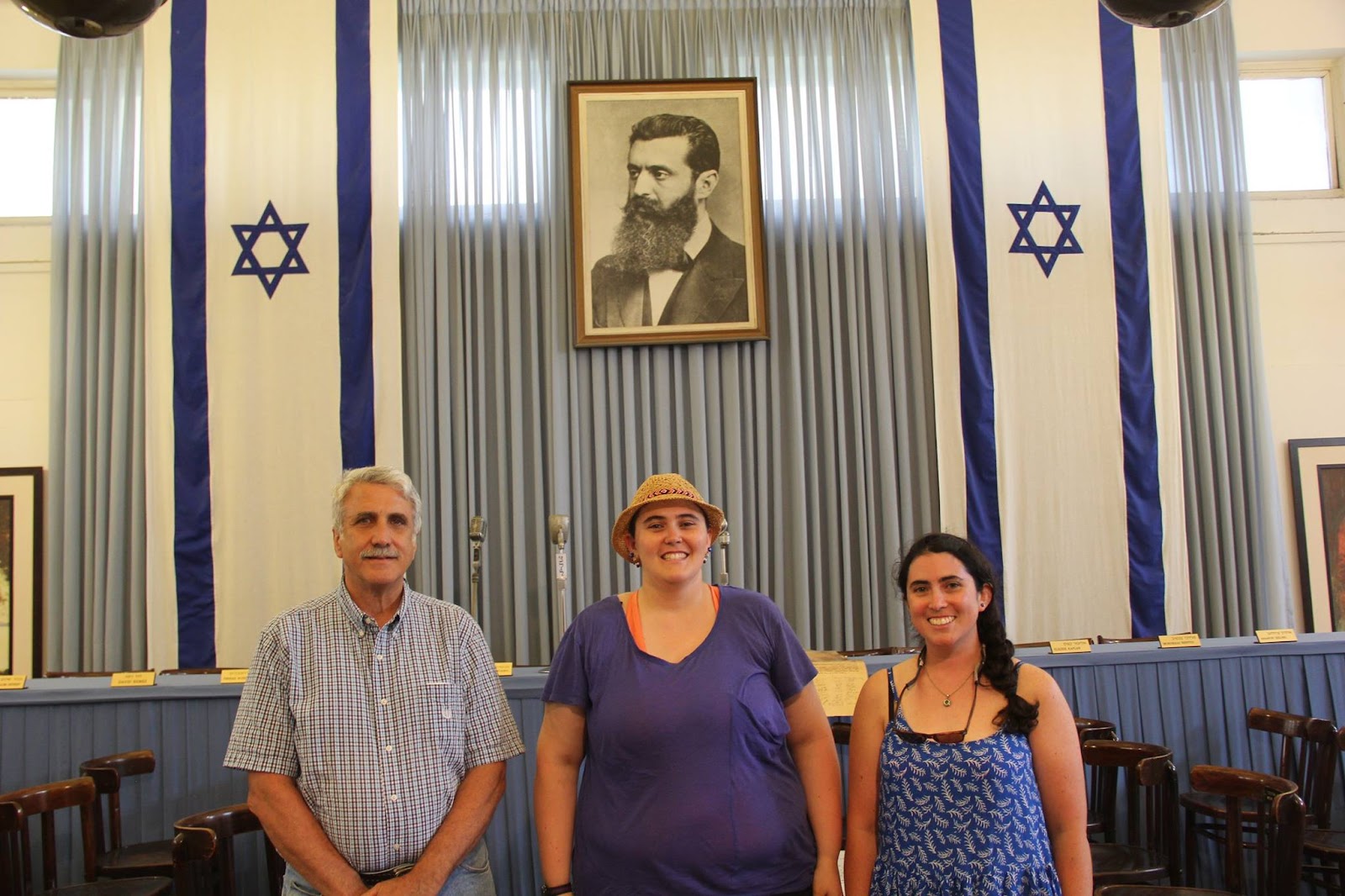
From the very first day of our trip you will be immersed in both the present and the past of Israel. We will visit the Palmach Museum where we will experience the lives and stories of men and women who fought for Israel’s independence. We will also visit the home where the original Declaration of Independence was read and accepted. We will also visit the port from which Jonah departed and the home where it is said Peter received his vision to share the Gospel with Gentiles. We will point out how the stories of Israel’s recent past have brought about a great sense of patriotism and love for “Eretz Yisrael.”
Enjoy beautiful Joppa
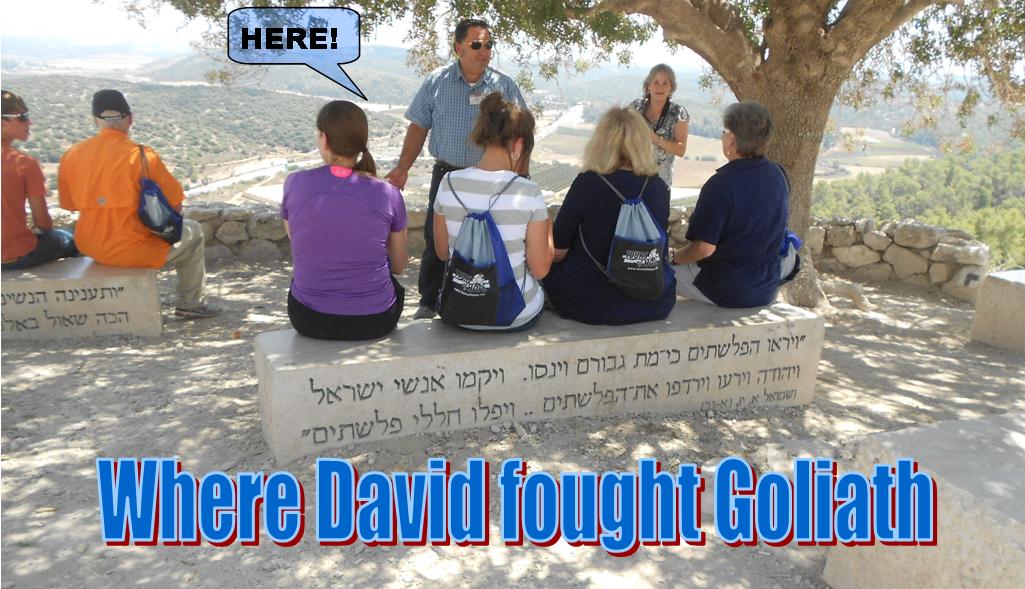
Along the journey we will visit the Shephelah, a region where many conflicts occurred. We will see where David fought Goliath, where Samson slew the Philistines and the place where Sennacherib  and Nebuchadnezzar assembled to launch an offensive against Jerusalem. We will travel this region on the bus and by foot in order to discover how geography played a key role in where battles of the scripture and wars of recent times were fought. We will explore hilltop protective fortresses as well as underground hideouts.
Modi'in from Canada Park, Israel
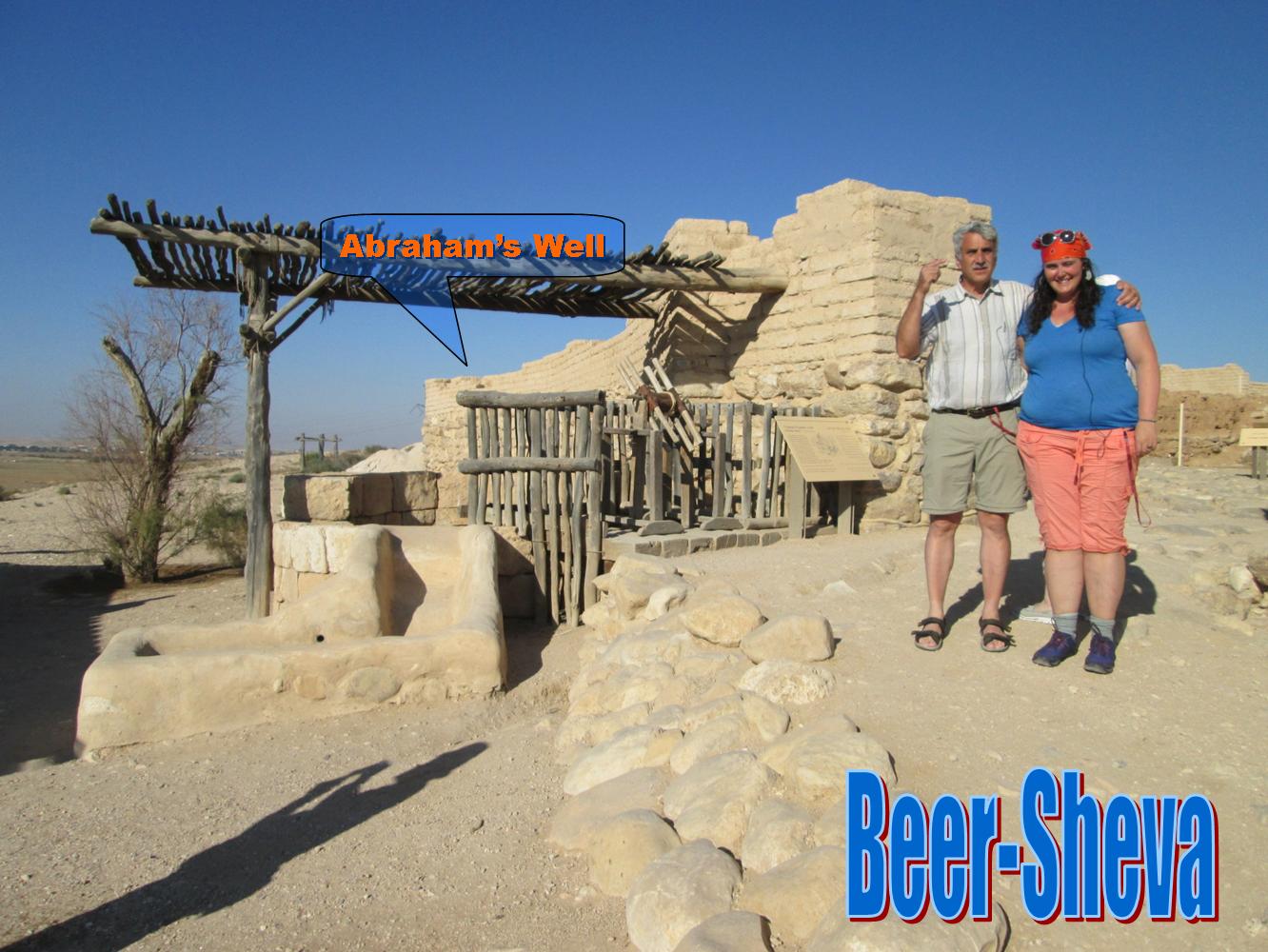
Our trip to Israel will take us into the Negev and the desert. Here we will walk where Abraham, Isaac and Jacob lived and worked. We will see where they drew water and we will experience their way of life. We will even ride camels. While in the south we will visit the Wilderness of Zin and traverse the valley where Israel camped while under Moses’ leadership. We will sleep in the wilderness (in upgraded accommodations, of course) and see the same stars and constellations observed by the Patriarchs.
Ride Camels in the desert
We will experience in the lofty views from Masada and what life is like at the lowest spot on the surface of the earth. We will discover the caves in which David hid and we will climb into the caves where the scrolls of Qumran (Dead Sea Scrolls) were hidden.
Climb Masada and see the fantastic view!

We will float on the Dead Sea, dip our feet in the clear water of Ein Gedi and experience baptism in the Jordan river. We will touch the very stones which fell to the ground when the army of Joshua blew their trumpets at Jericho.
Take a cool swim like King David at EnGedi
We will visit together places I have written about in my books (Advent Journeys and Spring), but have never seen. Our bus will take us past Ramah, Mitzpah and Bethel to Shiloh. We will see the place where Samuel served in the Tabernacle and also the hills of Samaria. We will discover the landscape of the hill country and how it afforded ancient Israel protection.
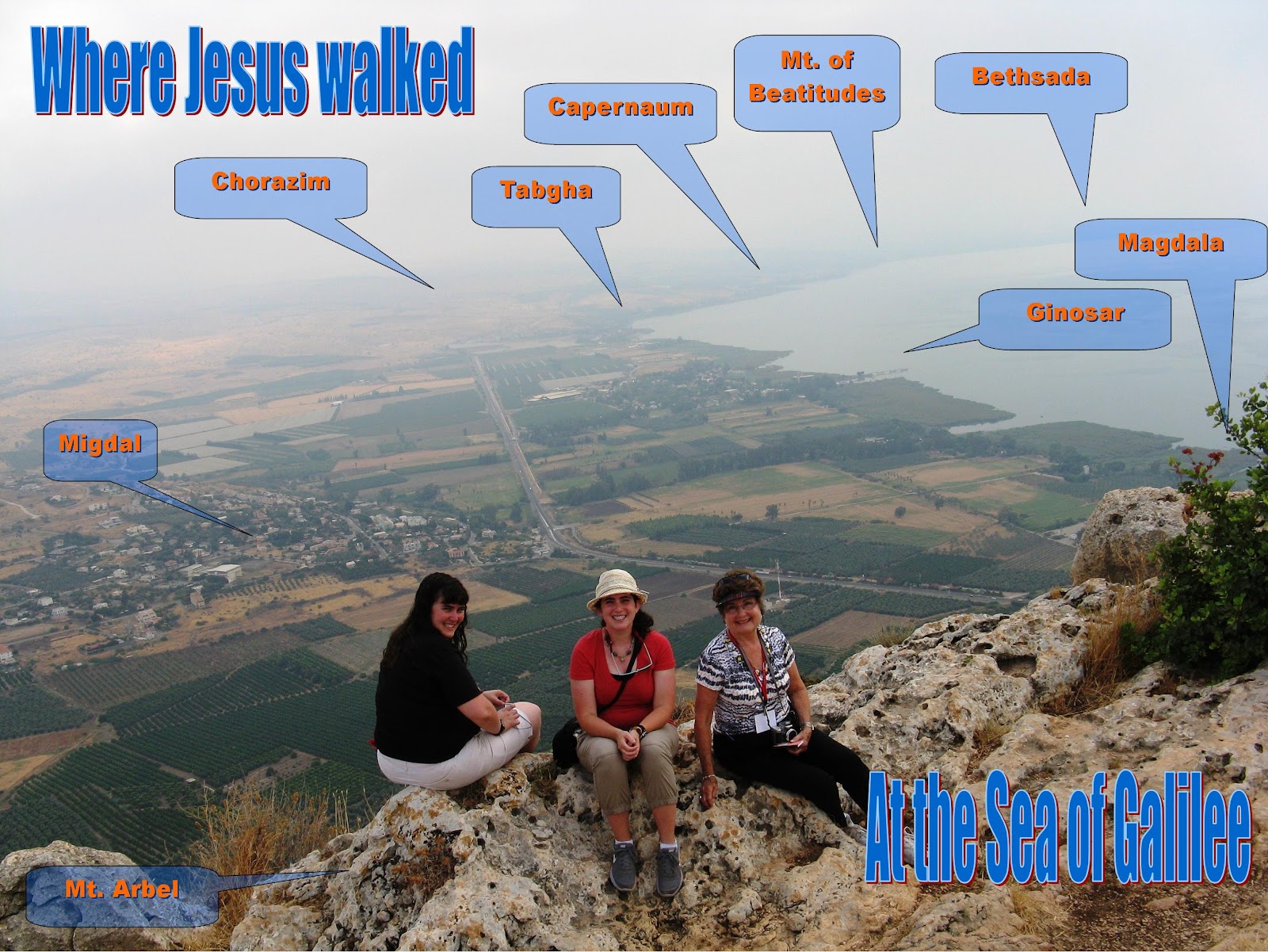
See where Jesus walked from the top of Mount Arbel
In Israel we will walk the land where Jesus walked (including Nazareth, Capernaum and Magdala), climb the mountains he climbed (including Mt. Arbel and the Precipice) and sail on the Sea of Galilee. We will visit Synagogues where Jesus preached and we will see the home where it is said Peter lived. We will read the Beatitudes from the place it is thought to have been delivered and retell the story of how Jesus fed 5,000 people from two fish and five loaves of bread.
History lives through archaeological finds
Our journey will take us to the northernmost extremes of the land of Israel. We will walk atop the Golan Heights, drive along (and walk under) the Damascus Road, look into Lebanon and see Mount Hermon. We will view two of the sources of the Jordan River and discover why Jesus said, “on this rock I will build my church, and the gates of Hades will not overcome it.”
See and experience life as it was in ancient Galilee
We will discover what life was like in a normal Jewish home by walking into houses dating back to Talmudic times. We will see how people cooked, where they slept and how they maintained their homes. We will hear about the crops they grew and view their modes of transportation. We will come to understand a great deal more about how people lived life in Bible times.
See the Jezreel Valley on this unforgettable trip
Our journey through Israel will take us through the highlands of Galilee, across the Jezreel Valley and up the slopes of Mt. Carmel. We will see Megiddo and the arena at Caesarea where the Apostle Paul was tried. We will walk under the Roman Aqueducts and see King Herod’s swimming pool. We will traverse the Plain of Sharon and climb Beit Horon ascent past Modi’in.
Visit Caesarea, Israel
Our visit to Israel will let us live in Jerusalem for four nights. We will walk through the walled city.  We will touch the Western Wall, walk along the ramparts, shop in the markets, eat the foods, take in the aromas and experience the pace of life among Jews, Arabs and Christians. We will discover Jerusalem from the top of the Mount of Olives to the bottom of Kidron Valley. We will visit Temple Mount, walk through the water in Hezekiah’s Tunnel, and make entry through many of the historic gates.
Take a look at the itinerary

What will we discover in Israel? More than this blog can contain! I invite you to join me on a 14 day trip to the land of Promise.  Each day will be filled with sights, sounds and taste. And you will make discoveries which will stay with you for a lifetime.

Sunday, January 15, 2017

Dream like a King

The year was 1976 and I remember angry crowds filled the streets. The courts had ordered desegregation of Jefferson County schools and many people were protesting court ordered bussing. It was the same story across the country. I remember the racially motivated separation and hatred.
Pettus Bridge in Selma, Alabama
It was ten years earlier that Dr. Martin Luther King Junior sealed a movement with a speech entitled “I have a Dream.”  Within the speech he said, “I have a dream that one day this nation will rise up and live out the true meaning of its creed: "We hold these truths to be self-evident: that all men are created equal."”
The dream comes from a scripture in the Bible, “God created man in his own image, in the image of God he created him; male and female he created them. (Genesis 1:27)” God created humans. The scripture shows us we are all humans regardless of gender. The scripture does not put limits on how human we are according to age, race, hair color (or quantity of hair), eye color, economic status, mental ability, physical limitations, nationality, the clothing we wear, religion, or any other qualifier. We are all humans. We are all of equal value to God, and by implication we should all be of equal value to each other.
Unfortunately, Martin Luther King’s dream is still not a reality, and probably never will be. As long as people exist some individuals will put down other individuals based on their own biased viewpoint. This goes for people of faith as well as people of no faith, although as people of faith we should know better.
The Bible tells us we should care for each other.  Zechariah wrote (quoting Moses from Dt. 10:18), “The LORD of hosts said, 'Dispense true justice and practice kindness and compassion each to his brother; and do not oppress the widow or the orphan, the stranger or the poor; and do not devise evil in your hearts against one another.'” (Zech 7:9-10) He pronounced a punishment because, “But they refused to pay attention and turned a stubborn shoulder and stopped their ears from hearing. They made their hearts like flint so that they could not hear the law and the words which the LORD of hosts had sent by His Spirit through the former prophets; therefore great wrath came from the LORD of hosts.” (Zech 7:11-12)
During the recent election hatred of others came to the forefront. This hatred was spoken not only through the rhetoric of politicians (which is inexcusable because they are asking us to make them our leaders {and therefore examples!}), but words of hate were also spoken by Christians. I saw these words on facebook, but not only there, I have heard the words from the mouths of those I know. When I confront them they arch their backs and tell me they are right for putting others down.
This makes me uncomfortable in church. Can I trust the words of those leaders who spoke hatred against others? Zechariah would advise me, “they refused to pay attention and turned a stubborn shoulder and stopped their ears from hearing,” so why should I listen to the advice of leaders who show hatred. (Some have explained it is not hatred, it is fear of people different than them.) I remember when Baptists (and I can, even 40 years after the fact, tell you what church they attended) persecuted me and thre things at me for being Jewish during my Middle School years. I can name people who even yet show prejudice, although life has taught me to ignore their words and acts.
As Martin Luther King, I have a dream that all people would be treated as equals. That women would not be put down for being females (receiving the same respect and the same pay), that lanes would not be blocked off for the rich in the extremely tight and congested lanes of the Charlotte airport (and I am sure others), that public roads would not be designated for those who can afford the toll (at the expense of those who can not), and that people of different faiths would learn about each other and speak with one another with respect. I pray we would treat people as people, and come to know them well enough to see the gifts God has placed within them, and then open doors so they can use those gifts. I pray that a spirit of community and care would return to our country and we would come to know our neighbors by name and tend to their needs.

I share the dream with Dr. King and the founders of our nation that all people would “live out the true meaning of its creed: "We hold these truths to be self-evident: that all men are created equal."”

Wednesday, January 11, 2017

Discover Meaning in Israel

For all of my life, since the time I was quite young, I have heard stories about the land of Israel.  These stories have come from teachers in Sunday school, ministers and family friends. When I grew up, I taught Bible lessons shared out of quarterlies about what life must have been like for people we read about in the Bible. These stories had meaning, but they could have meant more.
Throughout my first thirty years of ministry opportunities came to visit Israel, but I stayed at home. Reasons I told myself I didn’t travel included: I did not have the money, I did not have the time, and my family would not want me to be away. But I wish I would have traveled to the Holy Land sooner.
On my first trip to Israel, I found I had many false impressions of the land. I identified too much of what the Bible said to what I had personally experienced. I saw the land as heavily wooded (as the eastern United States) and I believed travel in the Bible covered great distances. I found that neither of these perceptions were true.
The Bible has always been important to me, and so I always study to make sure I can share accurately the words of Scripture. When I journeyed to Israel, however, I discovered many new things. I saw first hand the places where people lived. I walked with a guide who pointed out how the land itself shaped events I had but read about. I tasted the food and experienced the life of the people.
I traveled along roads in Jerusalem used by Abraham, Isaac, Jacob, and King David. I hiked in the desert and rode a camel in regions traveled by Moses. I walked in the footsteps of Jesus along the shores of the sea of Galilee. In all of this, I thought about the people of the Bible and Bible lessons.
Then came the realization: it was here! That happens to almost everyone. At first they plan and go on a trip. People have their own preconceived notions of what it will be like, until the land and the Lord grips them. They realize for the first time: “this is the very place!” It happened to me and it is an indescribable experience.
Because of my trips to Israel, I am different. The people and stories have a fresh meaning. The words of scripture have taken on a new life. As I talk to people, whether telling about my trip or stories from the Scripture, I visualize the things I am saying. I teach and tell the stories I have known for a lifetime with new details because I have been there.
I love the land of Israel and its people. I want to share this passion with you on a journey I will take during the month of May 2018. Will you come with me? Please click the link to learn the details and to sign up.   

Friday, January 6, 2017

Israel Settlement Worries

“Winds in the east, there’s a mist coming in, like something is brewin’ and ’bout to begin,” a popular quote from the movie Mary Poppins, can be used to speak about potential changes and results which could occur this year within the boundaries of Israel and the West Bank. Long-standing policies which have been in place from the 1970s and before could be overturned and reversed. Will the results be good or disastrous? - That remains to be seen.
Many have asked me for my opinion on Israeli politics and United States policies concerning Israel because I was raised in a Jewish home. To be sure, there is a love for the land and the nation which goes back to the fact that I was inculturated with the pride bursting forth from my people during the early years of Israel’s new-found independence. I learned about the land in Temple, I planted trees every year, and I heard glowing testimonies from people who visited the new nation.
As an adult I have studied and taught stories from the Bible and researched the associated geography, history, and current events. In 2012, 2014, and 2016 I visited Israel.  My love for the land has grown.  And as my love and learning have grown, I have come to recognize that Israeli-Palestinian relations are intricate and complex. Too many people think solutions are easy, but history should teach us otherwise.
I have watched and prayed during many of the hardships Israel faced in its early years. There were wars in 1948, 1956, 1967, and 1973. The nation has faced many other threats beyond the actual wars including shelling from the Golan Heights, Intifada, Palestinian uprisings, Lebanese and Syrian civil wars, and shellings from the Gaza Strip and from Iraq. The hostilities seem to be endless and continuing.
As I studied the journey of Joseph and Mary through Israel and the Palestinian territories by virtually traveling Israeli Highway 60, I listened to the voices of many people. One was a Palestinian reporter leading a donkey from Jenin to Bethlehem. He reported the trials of each border crossing. Second were the voices of Orthodox Jews and other Hebrew settlers in the occupied territory. I heard their voices of pride and commitment advocating their right to live on the land. I also heard the fear they feel by living within fenced compounds which can be attacked at any time. I read West Bank community blogs, Facebook groups, and municipal pages conveying the animosity they felt toward the perceived occupiers of their land. Proponents from each side are openly speaking their feelings toward each other and the outside intruders who are attempting to sway the politics of the region.
Peace and harmony will not come easily to Israel or the Palestinian territories.
And I keep getting asked, “Do you think” Obama, or Trump, or someone else “has the solution.” I do not think any of the “solutions” offered today by politicians will solve the problem. I think some forced solutions will make things worse.
In my studies I have read journals from pilgrims who traversed the “Promised Land” during the eighteenth and nineteenth centuries. The hostilities which we see today were either nonexistent or minimal during these former times. I wish we could return to more peaceful times when a traveler could visit the land. But during my lifetime, I am sure that we will not.
Some of the problems are racial or cultural. Other problems are political, created when artificial lines have been drawn giving this group or that group primary rights over a region of the land. The problems are compounded when outsiders pit the people of the land against one another.
Can peace come to Israel? I believe it can. But it will not come quickly.
Peace between groups with differences comes through the passing of time, often many years, decades, or generations. It comes when opposing parties begin to talk, learn names, listen to and comprehend the other party's ideas, and when they begin to see the other side as actual people rather than faceless and nameless opponents. During the first stage of interaction, solutions are not put forth. The agenda is for opposing parties to begin talking and then to understand that they are talking to people who have families, desires, and emotions just like them.
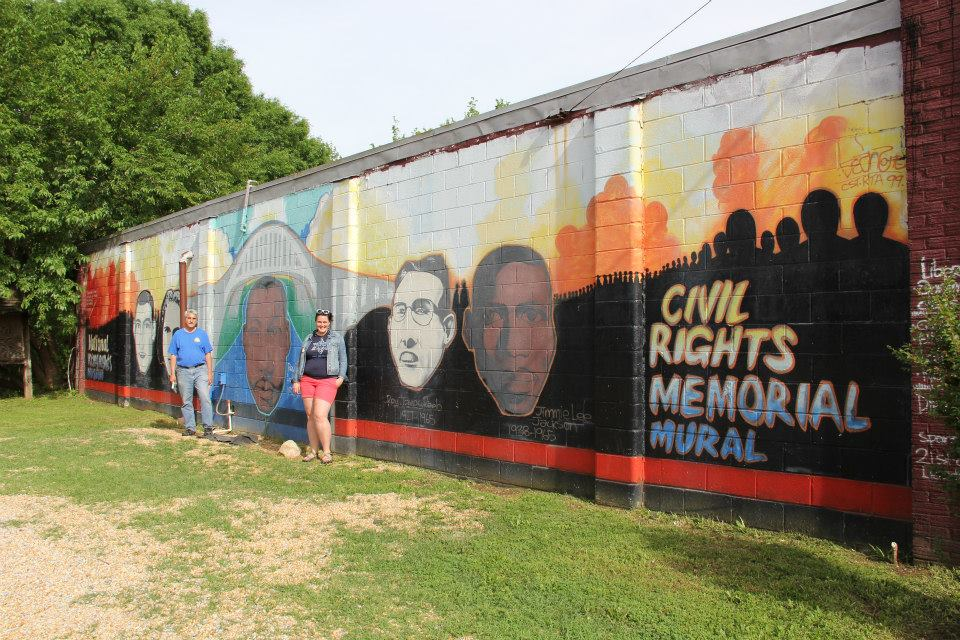
We experimented with such a solution to similar problems within the United States during the Civil Rights era. Racial groups met and worked alongside members of another race. Their children went to school together, and in time they moved into communities together. Change did not come easily, but it did come. Today people of different races are friends with one another and care for each other.
The same model can be used in Israel. As Palestinians, Orthodox Jews, secular Jews, and other interested parties begin to communicate and know and respect one another, they can open the “can of worms” and talk about problems. They can take baby steps and then bigger steps until harmony appears between groups. Then they can teach others and repeat the process.
The process takes a generation or two, because animosity and hatred are not easily removed. Over time, however, people can be intentionally moved and acceptance of the other can come.

We must always be vigilant because peace is easily shaken. Animosities can surface whether it is the result of racial tensions in the United States or distrust overseas.