Friday, March 10, 2017

The Year of Murder (Purim)

It started out covert and hidden. It was not meant to get out to the public, at least not (or I should say most definitely not) in the way it was revealed. But if the trick was to be successful, it needed to be revealed, with lots of PR and a positive spin. And it is here we start the story:

And Haman was his name, Sir.
He would have murdered all the Jews,
Tho they were not to blame, Sir.
Oh yes, there was a wicked (saying it once is not enough, which is why the song repeats this word. I could say evil or many other things about him) wicked man and his name was Haman. Haman (magnificent) son of Hammedatha (the double) the Agagite (I will topple) came from a wicked ancestry, the line of Amalek. This tribe of people sought to destroy the Hebrew people when they were helpless ex-slaves exiting Egypt. Haman wanted to complete the task.
He called his sons and henchmen in to help him plan how to destroy the Hebrew people. After the plan was developed they cast lots (called the pur - פּוּר) to determine the date they would kill the Jews. The dice selected a date almost a year away to do their deed. It was a year of planning for the murder of God’s people.

And Esther was the lovely queen of King Ahashveyrosh
When Haman said he'd kill us all,
Oh my how he did scare us.
Much can be said about Queen Esther. She was a niece of Mordecai, one of the exiles from Judea to Babylon. Her original name was Hadassah (myrtle tree), but her name was changed to Esther (star) when she entered the beauty pageant bo become queen of Persia.

But Mordechai her cousin bold
Said: "What a dreadful chutzpah
If guns were but invented now,
This Haman I would shoot, Sir."
This is a great verse in the song for it talks about Mordecai’s discovery of Haman’s plot in most graphic terms. Haman is called out for his nerve (chutzpah), not just audacity or effrontery but his chutzpah at even thinking God would not discover the plot and protect the Jewish people. Mordecai was so angry when at Haman’s bold venture he would have shot the villain: if gons had been invented at that time!

*When Esther speaking to the King
Of Haman's plot made mention
"Ha, ha," said he, "Oh, no he won't!
I'll spoil his bad intention."*
When Mordecai told his niece she must go before King Ahashveyros in order to reveal what Haman was up to, she got very nervous. The Jewish people prayed so she would gain courage and go before the King. When Esther approached the monarch, he showed favor. Esther invited her husband and the villain Haman to two banquets. Haman was actually the guest of honor. He bragged to his wife Zeresh (Gold), “I’m the only person Queen Esther invited to accompany the king to the banquet.”
But anger got the best of him. He could not stand Mordecai, and planned to kill him on a scaffolding he built near his home. Esther chapter six contains a strange turn of events when God in jest forces Haman to honor Mordecai.

The guest of honor he shall be,
This clever Mr. Smarty
And high above us he shall swing
At a little hanging party.
The bitter turn of events in chapter six was not the worst thing that could happen to Haman (although he thought so at the time). The worst came in the next chapter, on the very same day, when Haman attended the banquet where he would be honored. And, in a sense, Esther did honor him, by telling King Ahashveyros the truth about his “most trusted adviser.” The King was not pleased and called for Haman’s immediate execution.

Of all his cruel and unkind ways
This little joke did cure him
And don't forget we owe him thanks
For this jolly feast of Purim.
The Jewish people celebrate Purim to remember how God watches out for His people. They throw parties, wear costumes and eat Hamantaschen.


Wednesday, March 8, 2017

The Shephlah

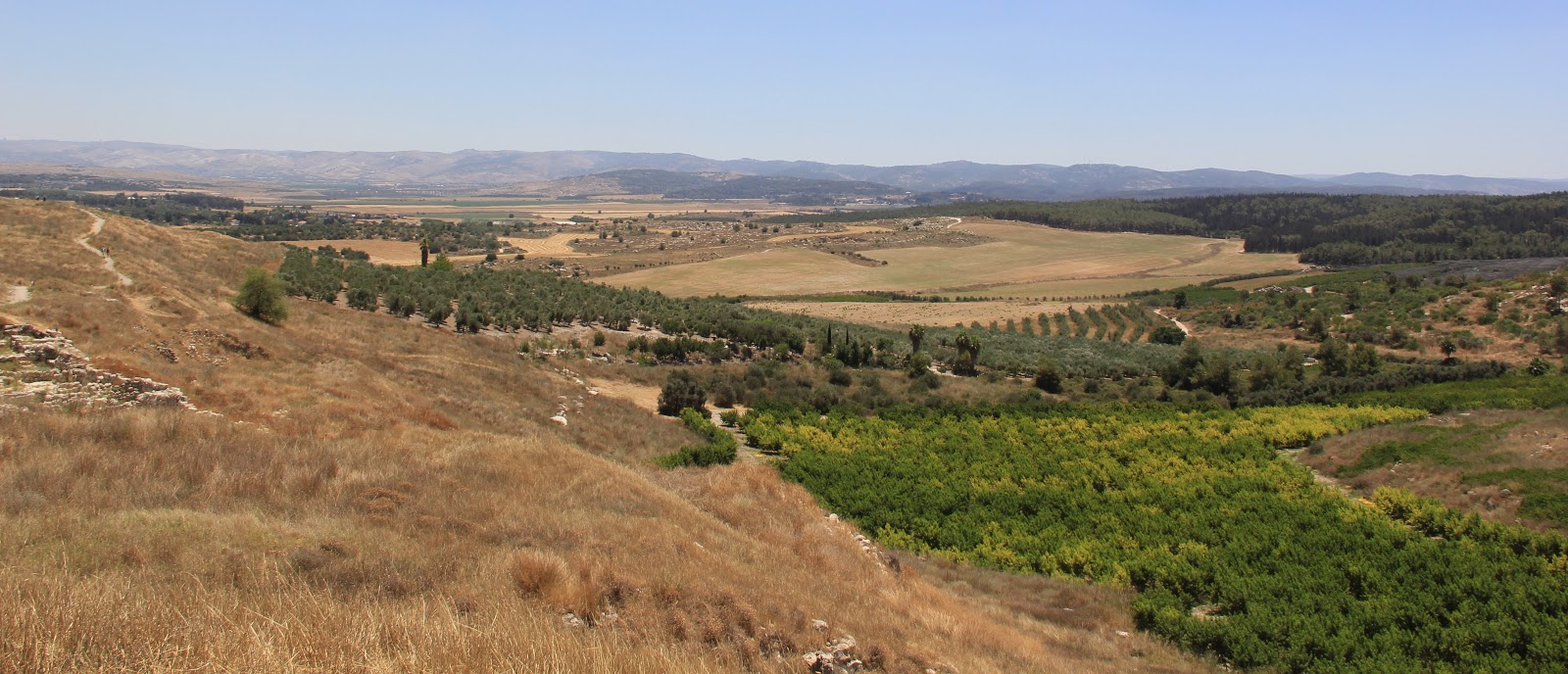
We will spend the third day of our 14 day trip to the Holy Land in May 2018 in the shephelah, a series of low hills which connects the coast of Israel to the Judean Highlands. This region contains important transportation hubs and has been one of the most hotly contested regions in Israel.
A map of the Shephiah region of Israel
The word  שְׁפֵלָה, Shephlah, sephela, saphela or shefla comes from the word low, and thus indicates low or sinking lands. This unique landform exists from the east of Tel Aviv and the Plain of Sharon and ends north of the Negev. The Shephlah rises from the coastal plain to the Judean highlands. The rumpled land of this area contains low hills and valleys between the hills.
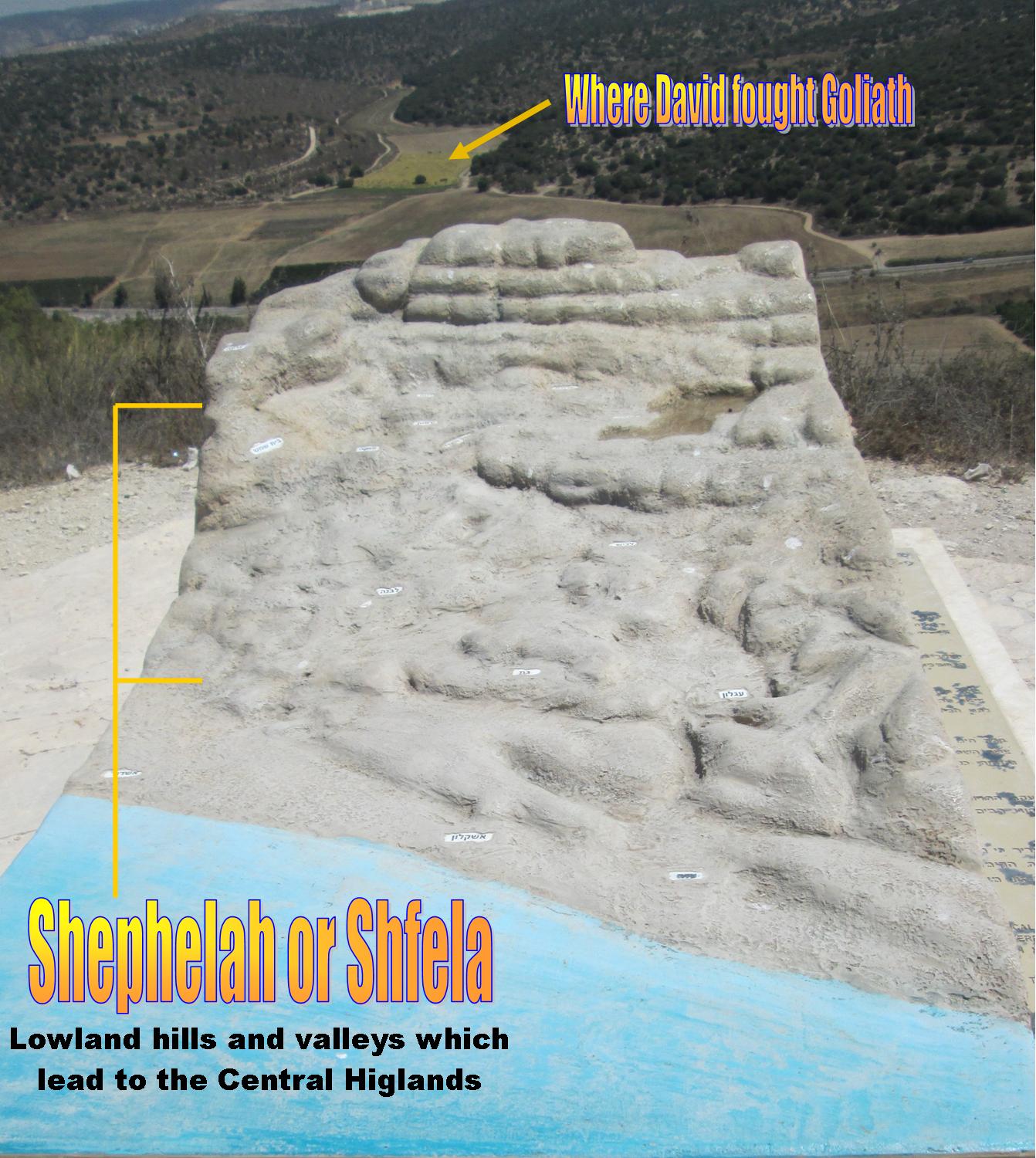
Model of the Shfela in Elah Valley where David defeated Goliath
Throughout the history of the promised land people have traversed the valleys in order to reach the central highlands. Today the roads of Israel continue to follow the Ayalon Valley, Sorek Valley, Elah Valley, Beth Gurvin Valley and the Lachish Valley. We will visit sites in each of the five major routes on our the third day of our 14 day trip to the Holy Land.
Tel Gezer in Israel
At the head of each of the valleys there is a high hill upon which a fortified city has been built. At the head of the Ayalon Valley this is the city of Gezer. At the top of the road are the towns of Yalu and Emmaus. The road runs from Jaffa across the coastal plain, up the Ayalon Valley and the Beit Horon ascent to Jerusalem. The route is still popular today with Israel Highway 1 using this route from Jerusalem past Ben Gurion Airport to Jaffa.
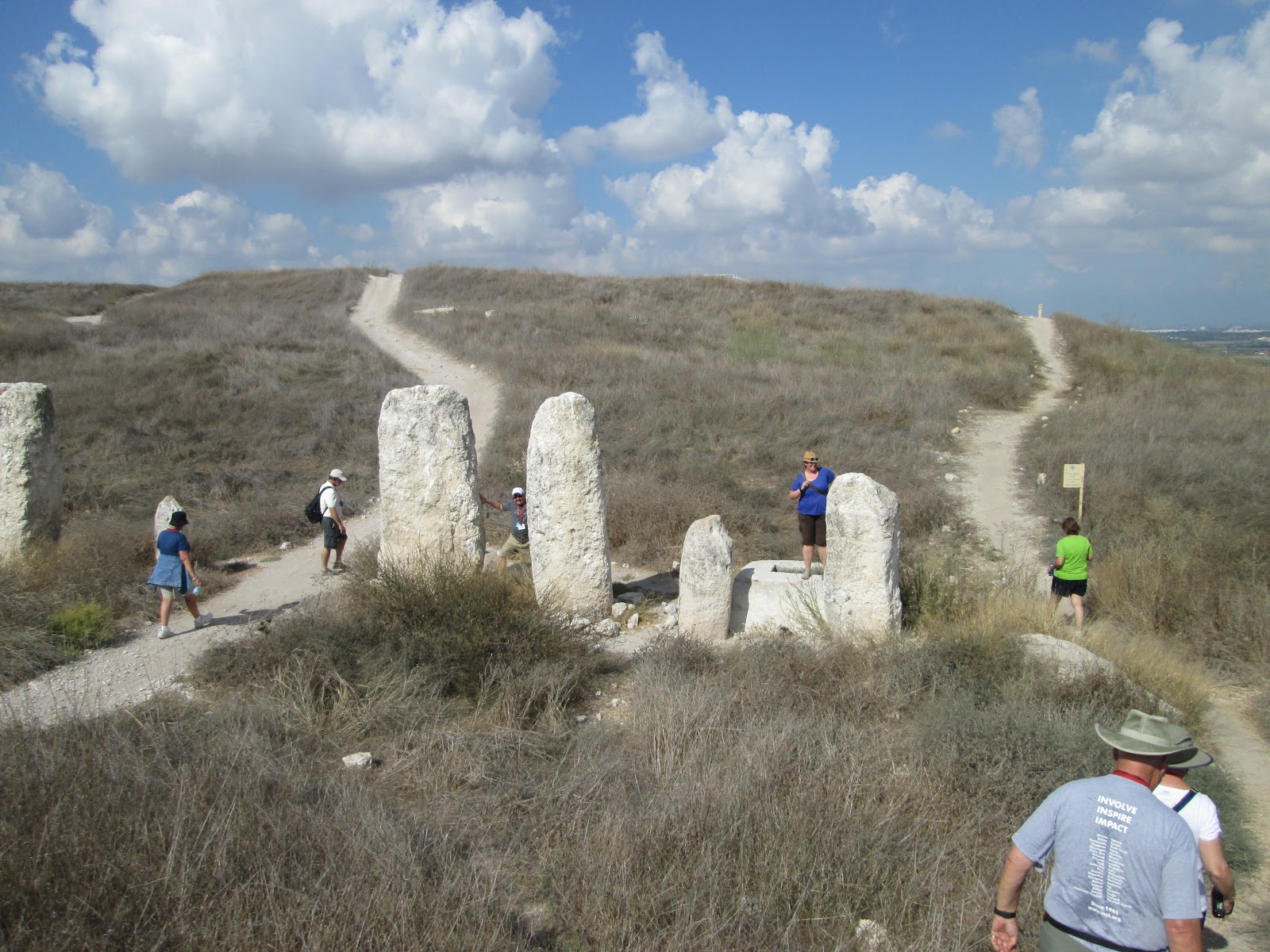
Monoliths at Tel Gezer
The Ayalon Valley is a place of much history. This is the place where the sun stood still during Joshua’s conquest of the land. The Amarna letters written to Pharaohs Akhenaten and Tutankhamun menton the town of Ayalon. Pharaoh Sheshonk I attacked the Amorites in this area in the 10th century BC. King Saul and the Maccabees also fought in this valley. The state of Israel fought several major battles for the Ayalon Valley in the twentieth century.
Beit Shemesh where the Ark was returned to Israel
The Sorek Valley extends from Ekron on the coastal plain to Eshtol at the top of the valley. The town of Beit Shemesh (recorded in 1 Samuel 6) is in at a junction where the valley narrows. The Sorek Valley was home to Samson and Delilah. The main road to Jerusalem ran through this valley in the early nineteenth century. The railroad from Jaffa to Jerusalem still runs through the Sorek Valley.
The place where David fought Goliath
The Elah or terebinth Valley is a known for its many oak trees and great fertility. The lower end of the valley is protected by the fortress town of Gath, which is also the hometown of Goliath. The valley runs past Azekah and Socoh to Adullam. David fought Goliath in this valley, picking up five smooth stones from Elah creek. We will visit Khirbet Qeiyafa while in visiting Elah Valley.
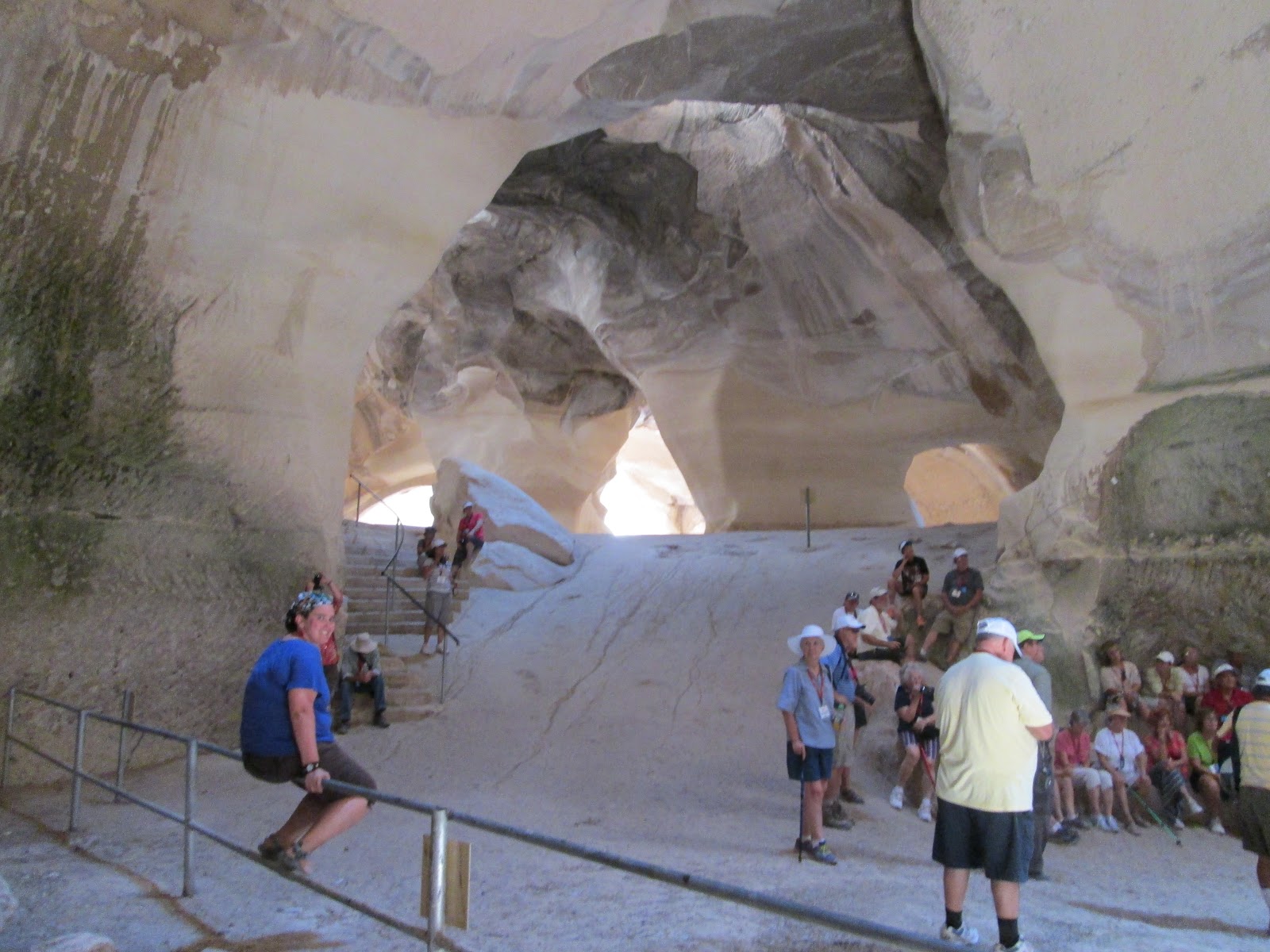
Inside the Bell Caves
The Guvrin Valley leading from Gaza to Hebron was one of the region's most important trade routes. Joshua fought many battles in this valley, King Rehoboam made Maresha into a fortress and later Micah the prophet preached in the area. After Israel fell to Nebuchadnezzar many Edomites migrated to Guvrin Valley and made it a second homeland which was later called Idumea. King Herod of the New Testament ties to this region.
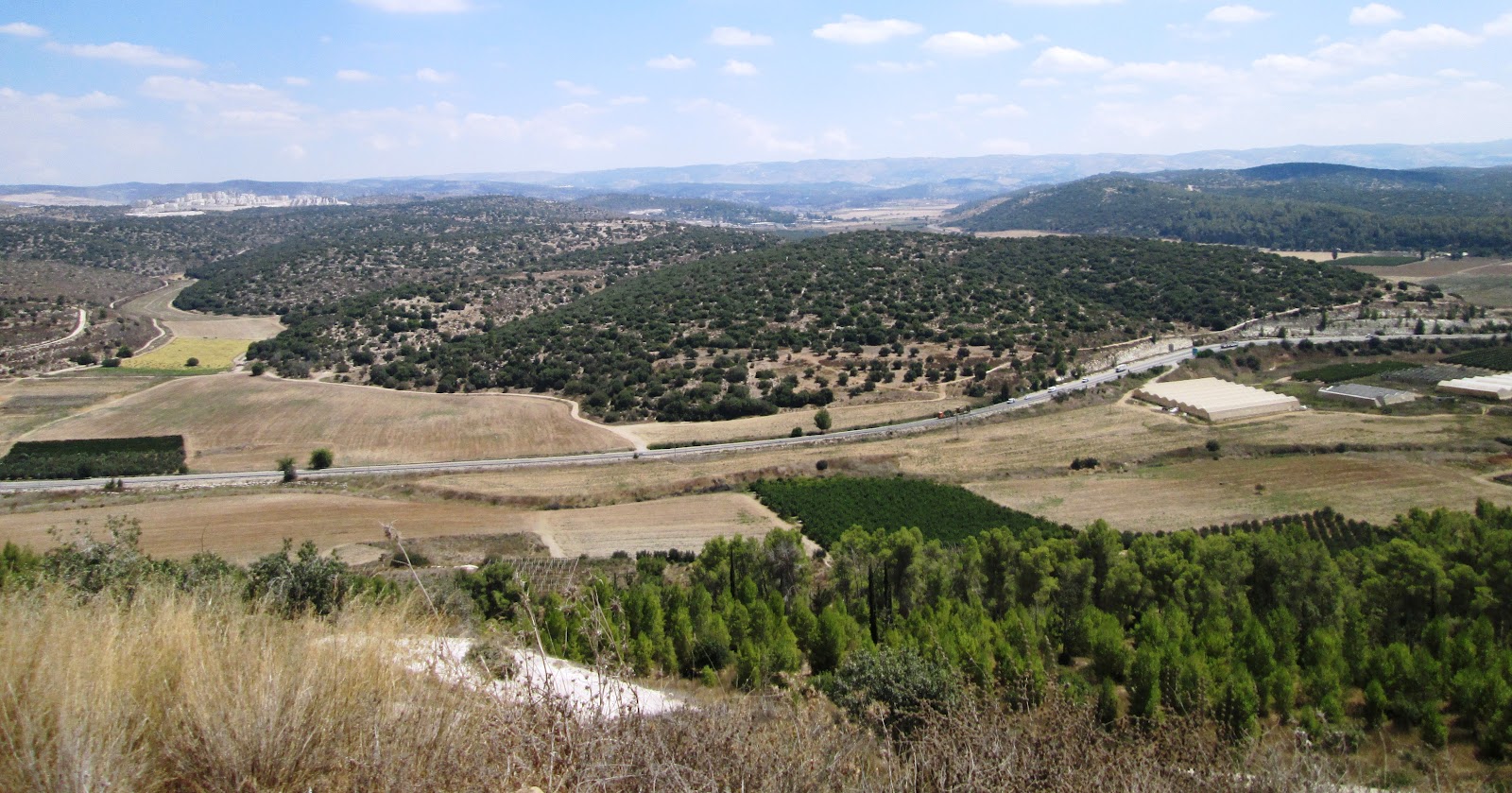
View from the top of Tel Lackish 
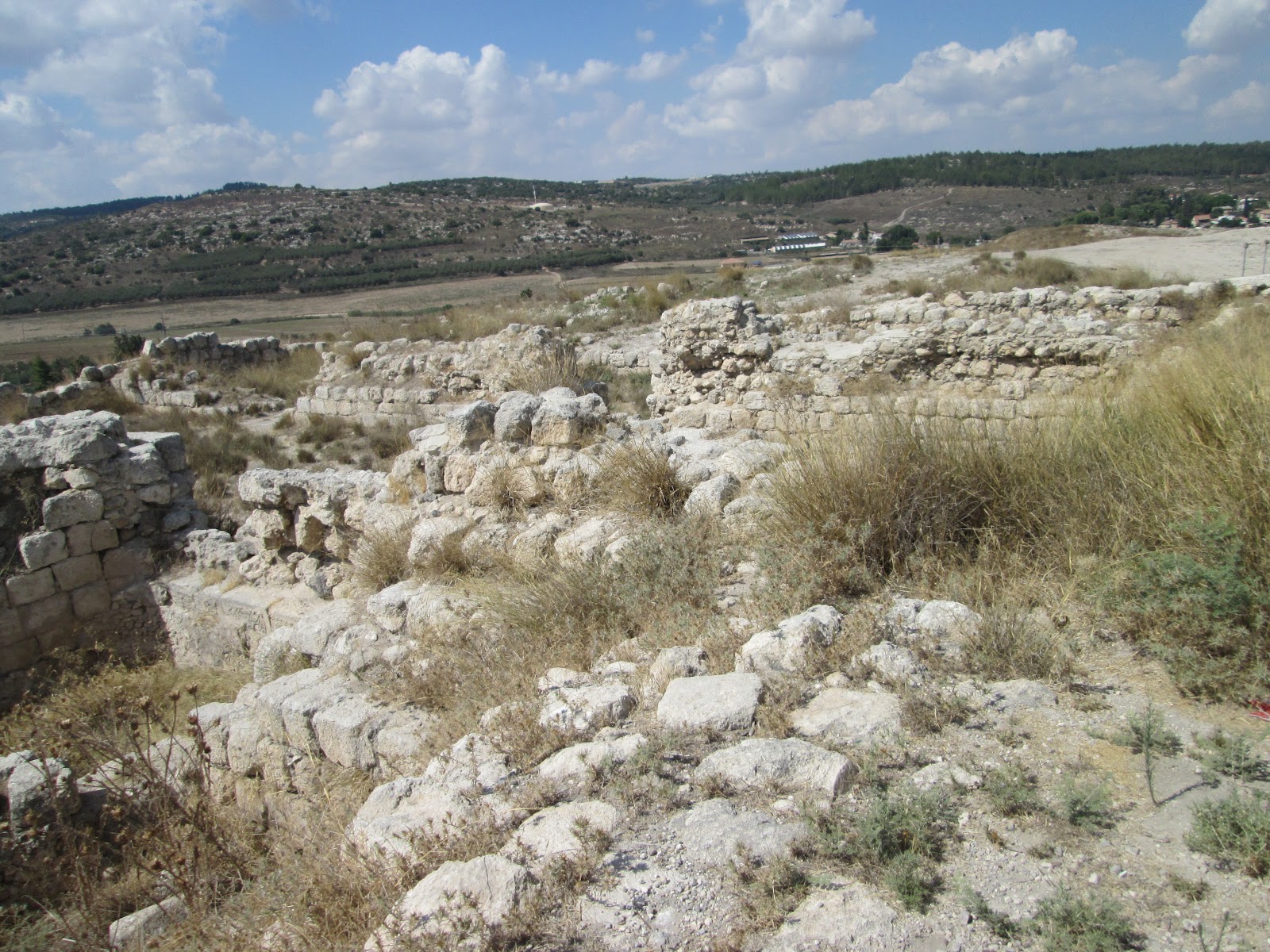
Lachish sits to the south of the Gurvin Valley and protects a secondary road from Gaza througt the Shephlah. The city was a major communication center which served as a beacon which sent signals to Azekah and other hilltop locations. Because of its importance it was made into a royal city for Rehoboam and was later conquered by Nebuchadnezzar on his way to Jerusalem.
Please join us on a tour of Israel in May 2018

On a tour of Israel in May 2018 we will take a day to experience sites within the Shephliah and tell stories out of Israel’s past. Please take time to sign up to travel with us.

Friday, March 3, 2017

Ancient Gezer

Many of the events recorded in the Bible took place in Israel. Not only the Bible, but many other layers of history reside in the same areas of Israel. Archaeologists have dug for a long time, but really have only scratched the surface of what exists to be uncovered.
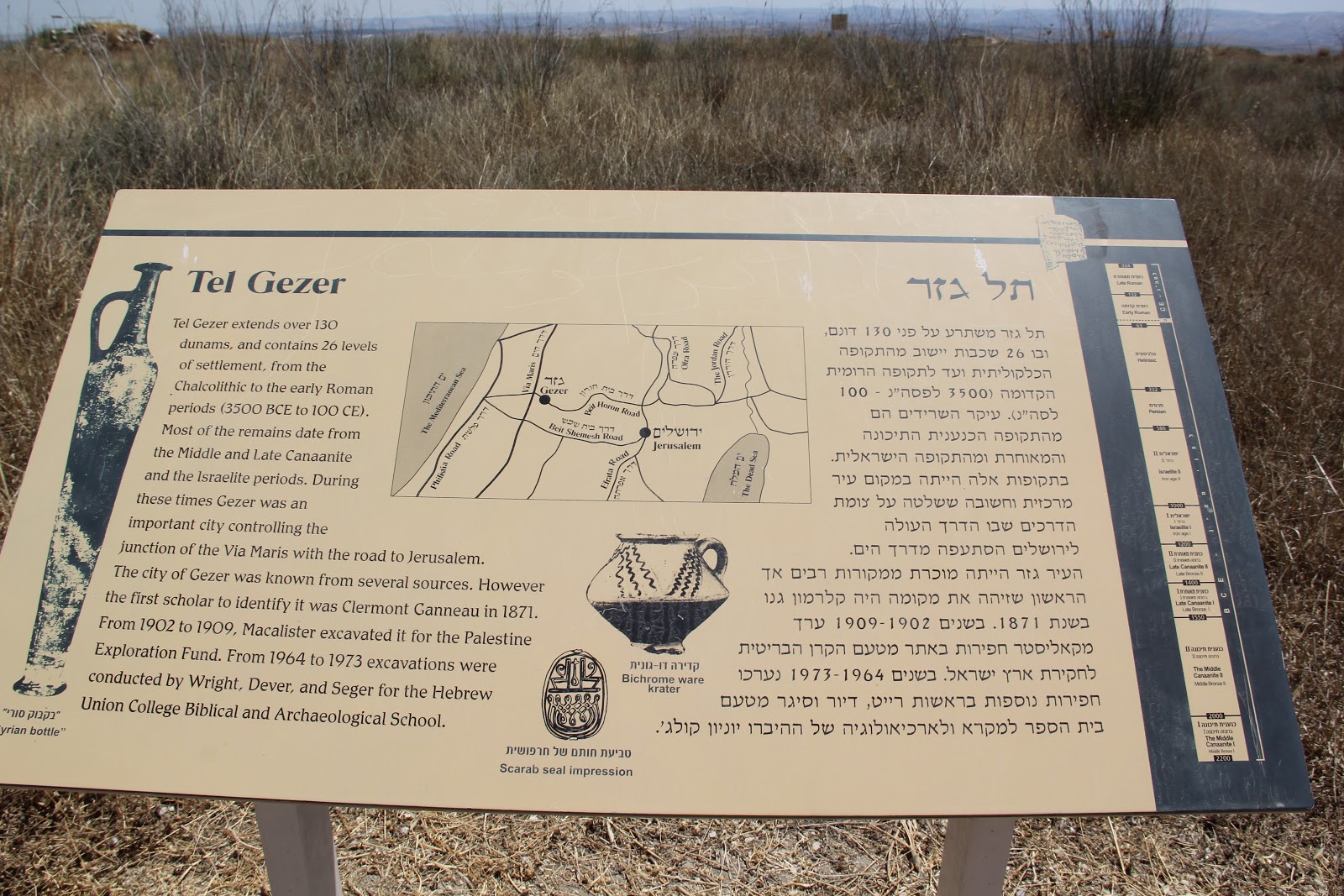
Signs document the importance of Gezer
Tel Gezer is a location that was extremely important in Biblical times, because of its prime trade location along the Via Maris. People would have traveled through this ancient Canaanite city regularly, and there was also a lot of protection due to other people who wanted the land. Gezer was given as a gift by Solomon to his Egyptian wife, among other Biblical references.
Solomon's gates and palace at Tel Gezer
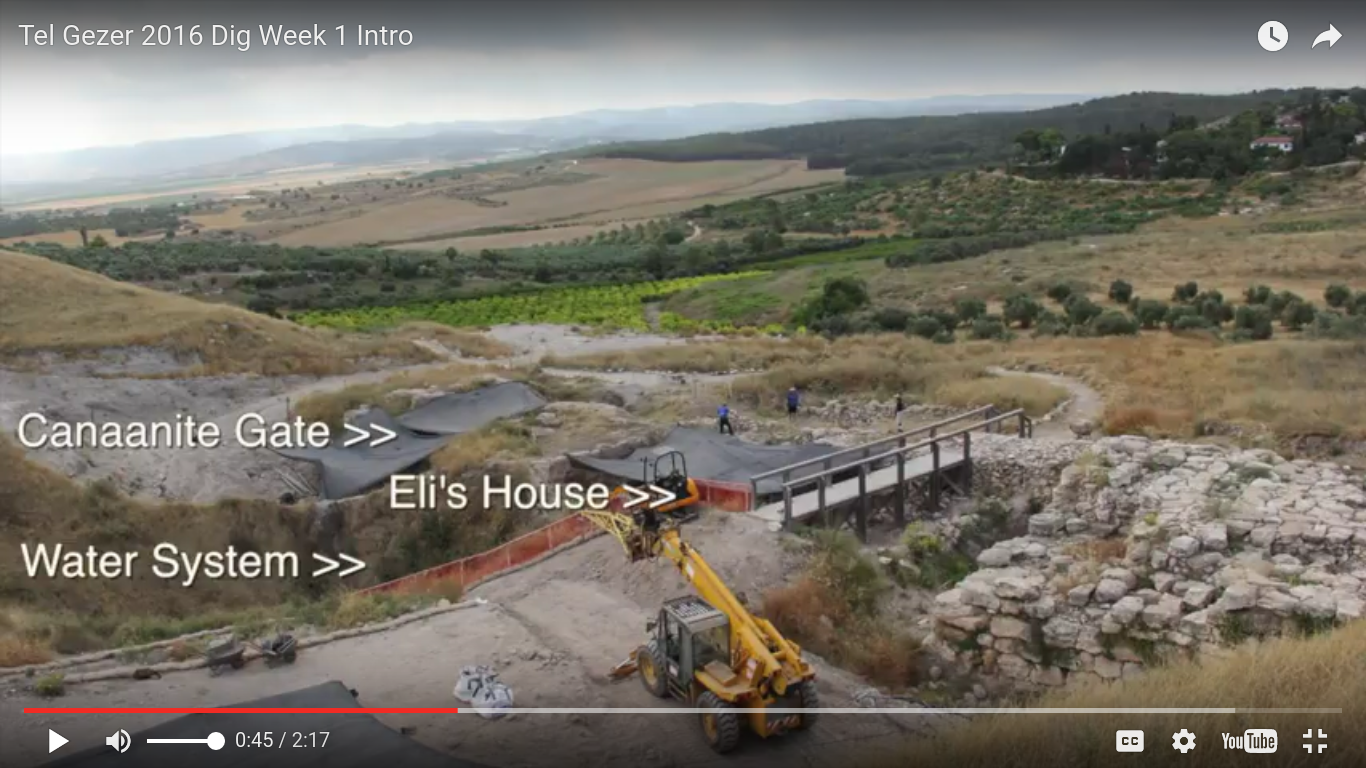
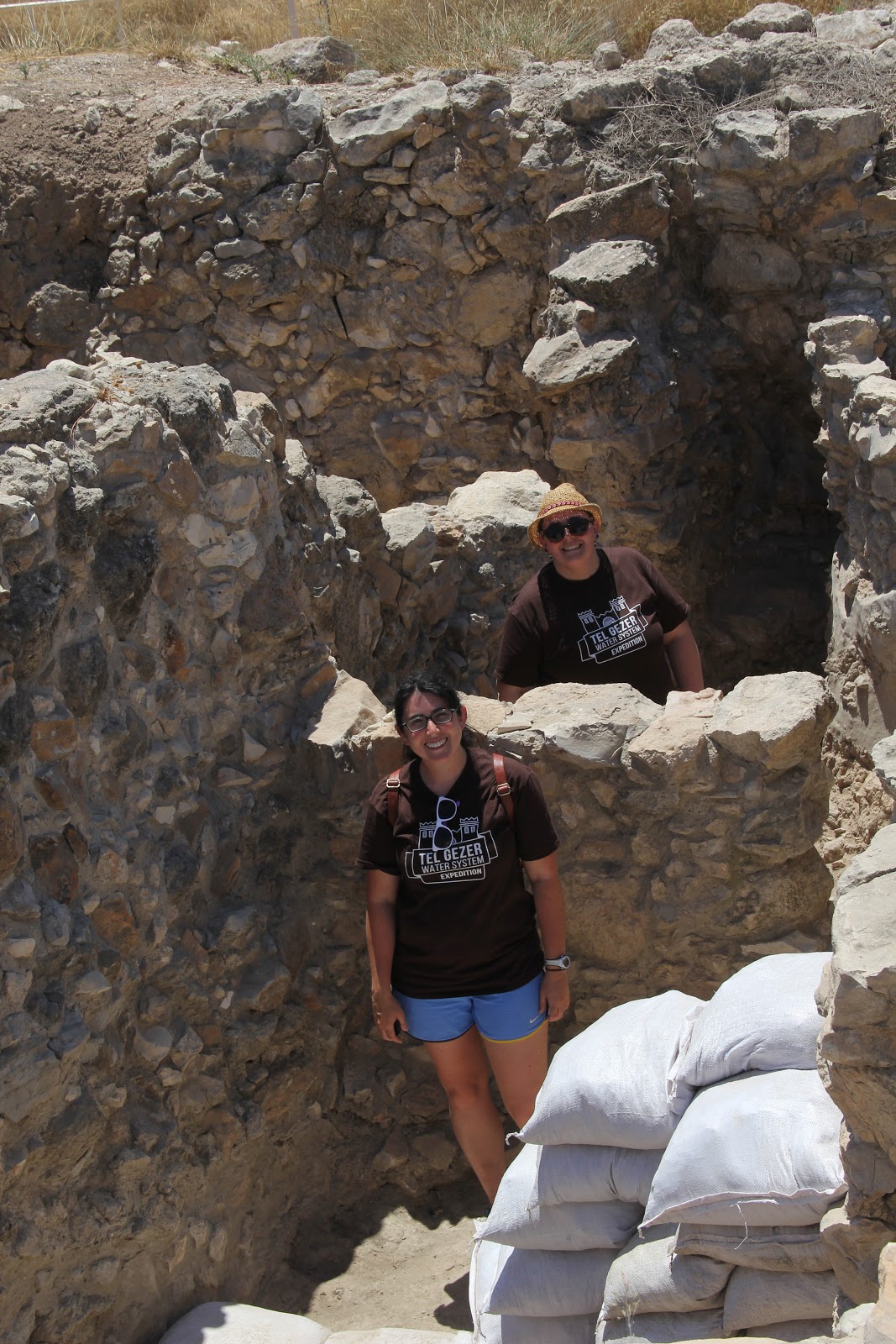
New Orleans Baptist Theological Seminary is one of a few schools that dig at the site. NOBTS began digging in 2007 in the gigantic water system, which is still a mystery. To help solve this mystery, the neighboring locations of a house (called "Eli's house") and a Canaanite gate are also being excavated.
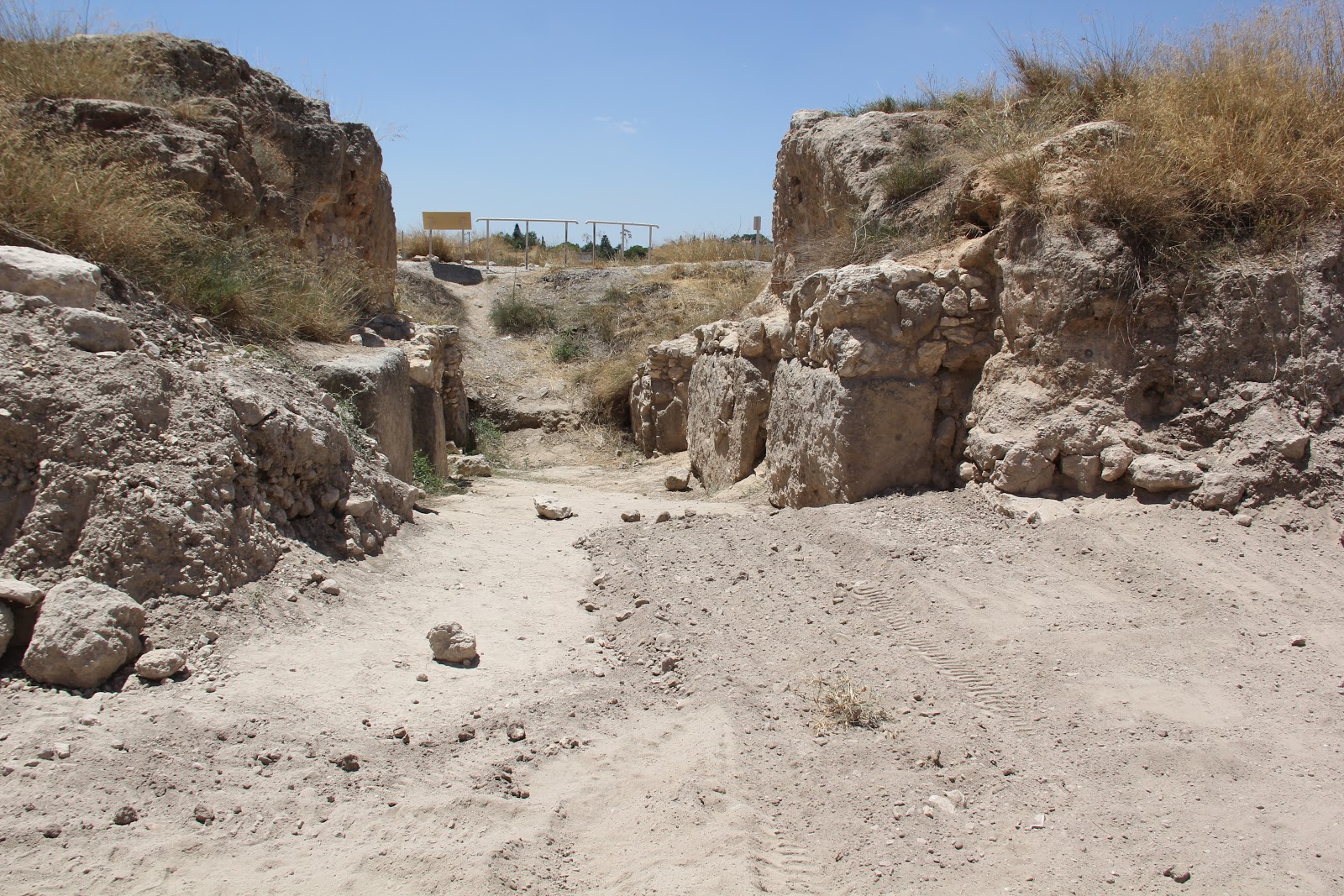
Overlooking Eli's House and the Canaanite Gate at Tel Gezer
The water system is enormous and a special crane is used to lift bags of dirt out of the bottom.
NOBTS Dig sites from the video on their website
This video will take you on a tour of the tunnel. Take a quick walk down, look around and come back up.
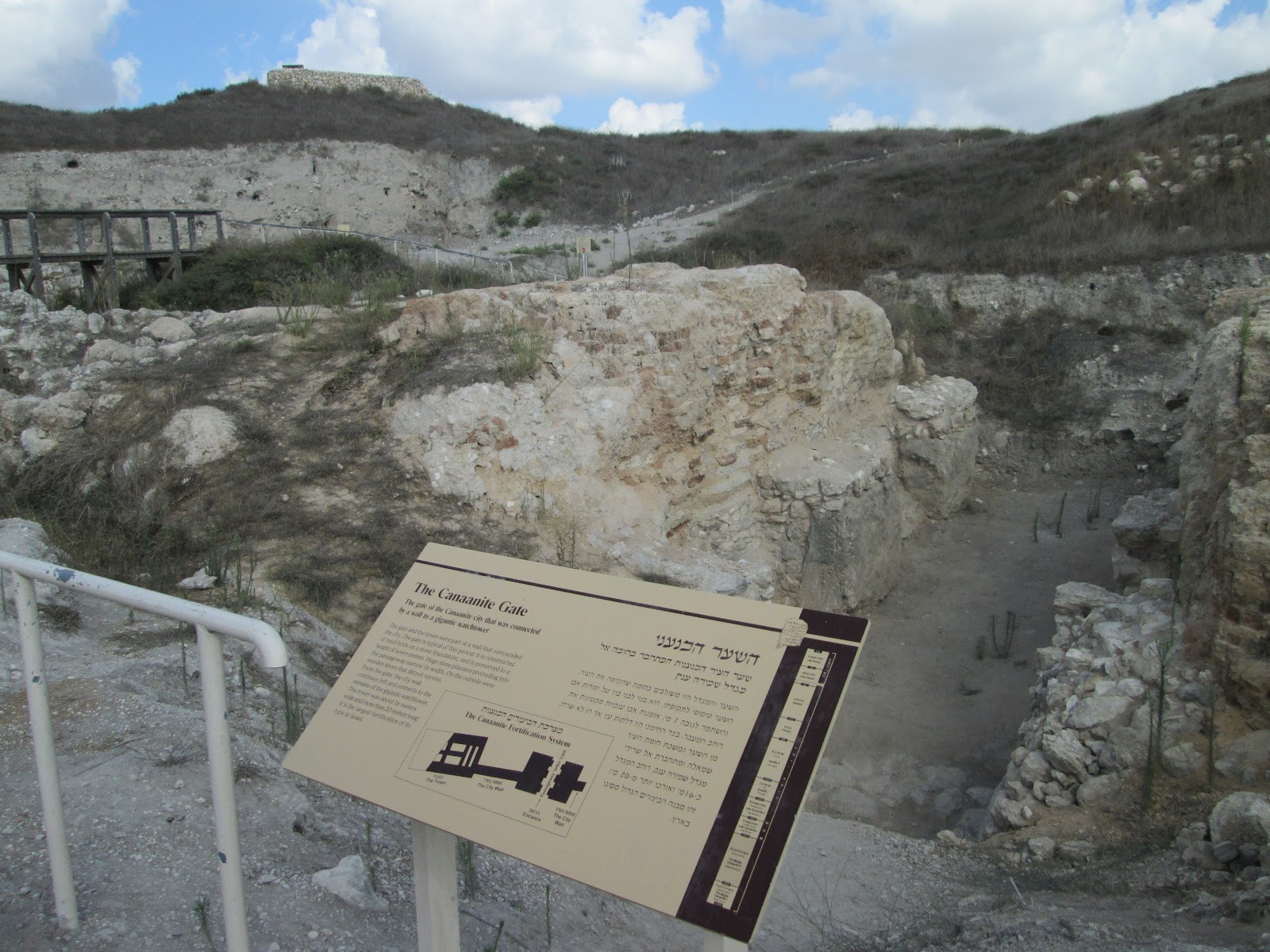
The Canaanite Gate at Tel Gezer
Eli's house has the tallest walls of any unearthed in Israel (that haven't been reconstructed) and is also the location where some really exciting finds came from this past summer.
The tall walls at Eli's House in Tel Gezer
Many articles have been written about the exciting finds this past summer. Here is one article.
Pottery investigations at Tel Gezer
The Canaanite gate was excavated by R.A.S. MacAllister in the early 1900s, who left "fill" that had to be removed until new layers were found underneath that have not been excavated yet. This coming summer, it will be exciting to see what is uncovered there!
The Canaanite Gate at Tel Gezer
To see and read more about the finds from this summer, visit the New Orleans Baptist Theological Seminary Archeology website.
Monoliths at Tel Gezer
You can also watch this 15-minute mini-documentary with interviews and footage of the dig
Join us on our May 2018 Tour of Israel
Get an insiders look at Tel Gezer and other sites
Many thanks to my daughter Sarah Simon who wrote this blog. Sarah dug and made videos of the dig last Summer, and will return again this year. Sarah and I invite you to visit Gezer on our May 2018 Israel Tour. To join us, click this link.

Thursday, March 2, 2017

Philadelphia and a Jewish Cemetery

Recent news of vandalism in Jewish cemeteries, bomb threats at Jewish schools and spray painting signs called my attention to family. These events have hit too close to home. Signs at my daughter's school were spray painted and tombstones were overturned in the cemetery around the corner from where my family is buried.
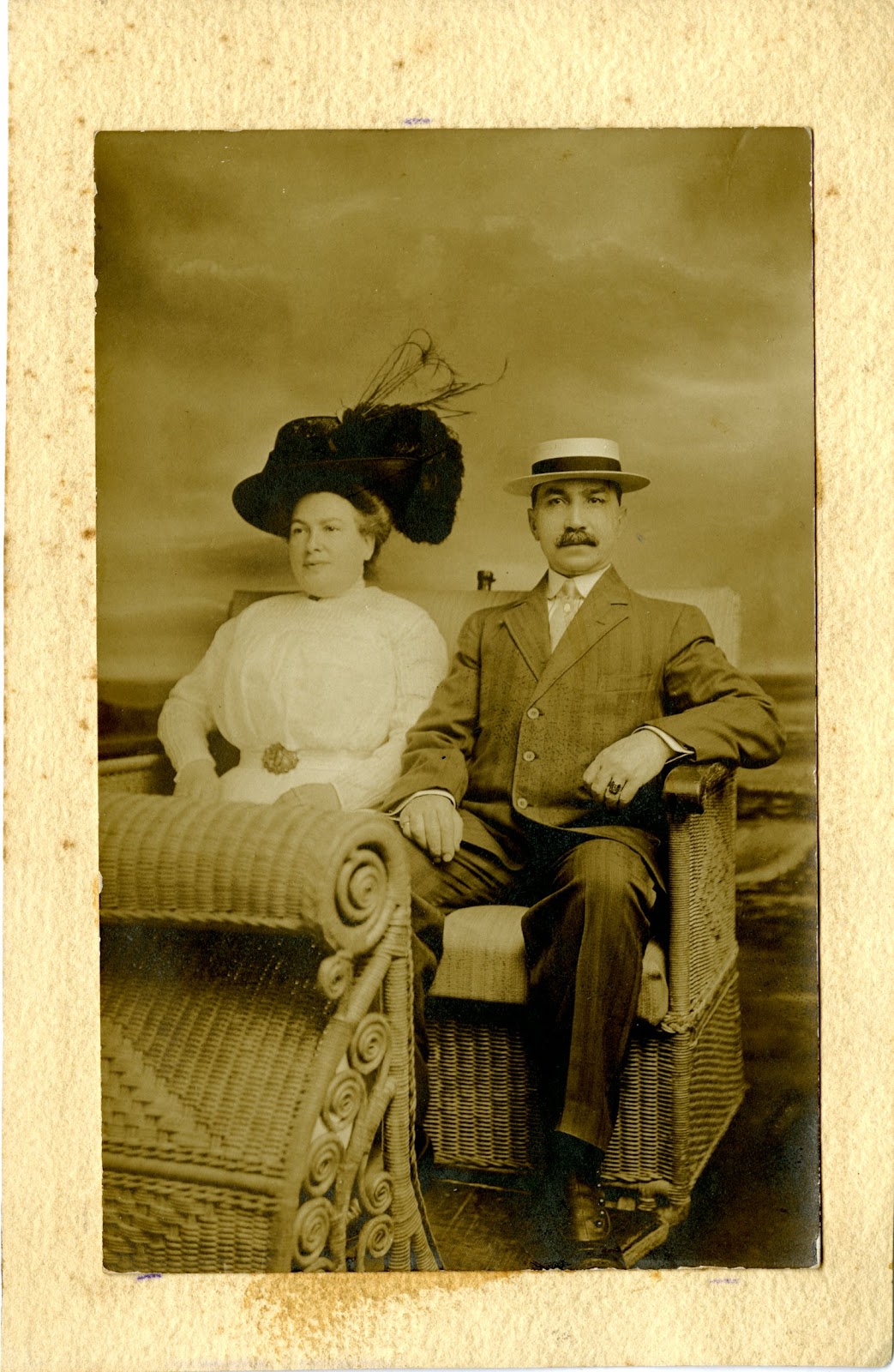
David & Amelia Wolf Levine
I have never understood people who feel they must tear up things that are not theirs (and do not matter to them). I am repulsed by those who prey on little children (schools) or people weaker than themselves, and the insanity that drives perpetrators to make these attacks anonymously . I am completely confused when individuals target burial grounds in order to wound people they do not even know. If such people would put their minds into action they would realize that in all probability their lives at some point benefited by the philanthropy or gifts of the very Jewish people they have targeted.
My Grandparents

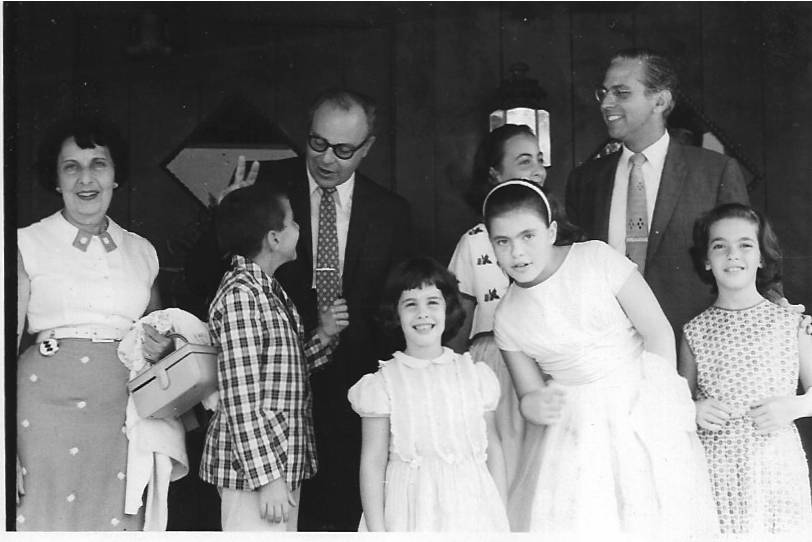
Although I never met David Levine, I would like to learn more about him. I am named after him. In Jewish life it is bad luck to be named after a living relative; David Levine died about a year before I was born. I did know his daughters, especially Adele, my grandmother. I spent many happy weekends at her home in Miami Beach.
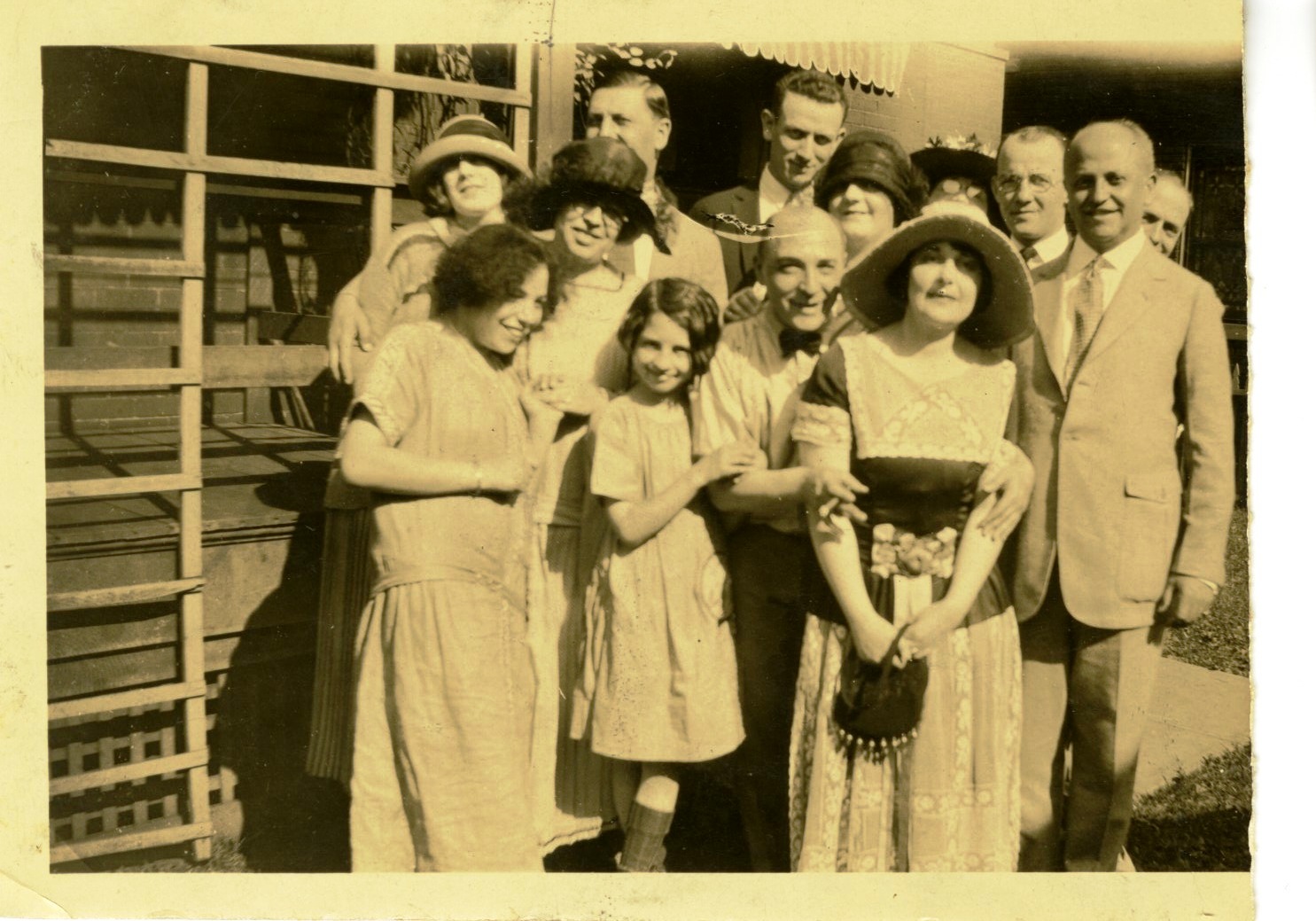
David & Amelia Levine. Her sister Rachel Spitz is on next row
A few years ago I was in Philadelphia, thought about my ancestors who lived there and visited their graves. These family members were important to my past, and although I did not know the people buried in Philadelphia, they contributed to my life.
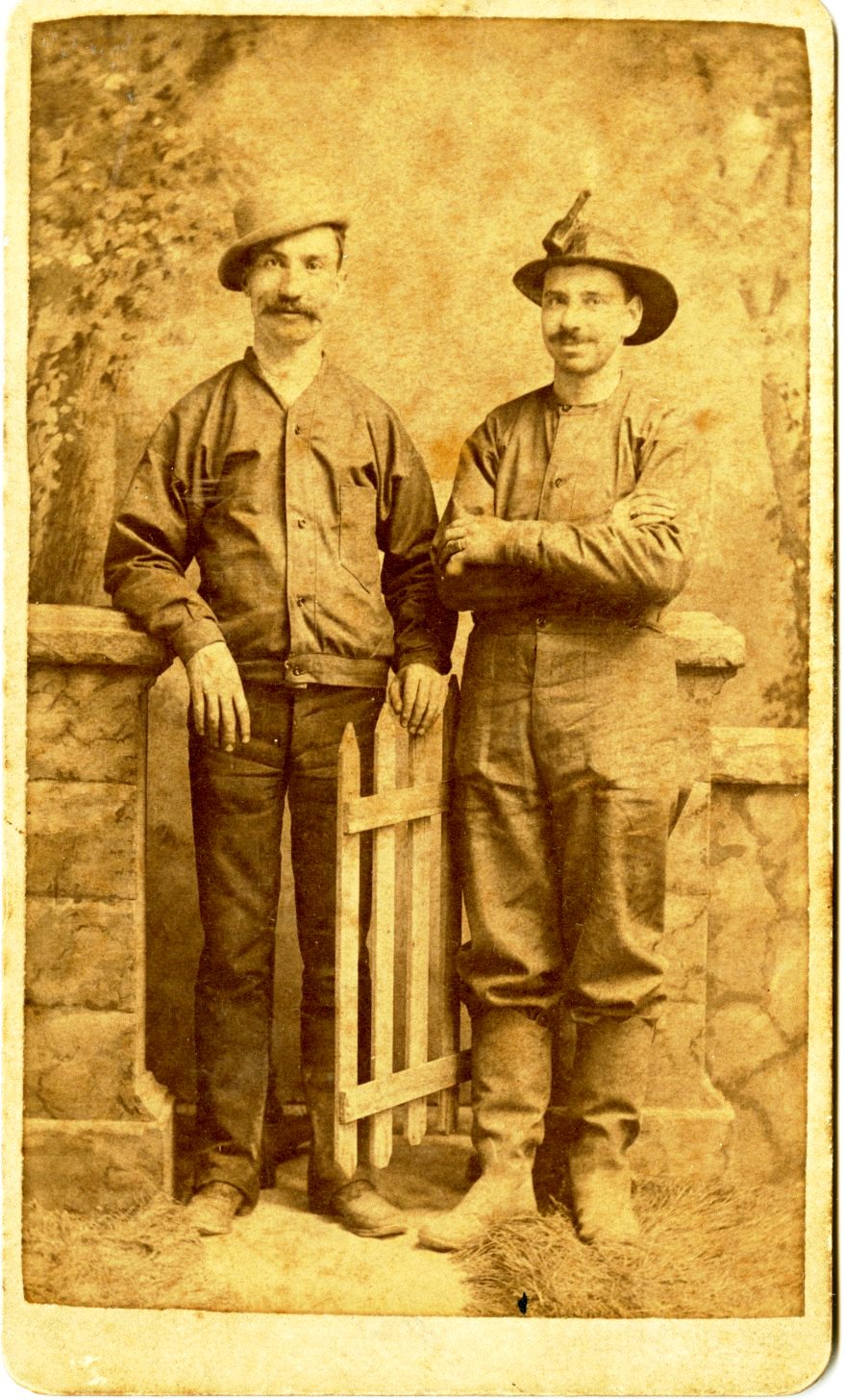
David Levine and Philip Wolf
I am named after my great grandfather, David Levine. David immigrated to the United States at the age of fifteen in 1875. His brother was supposed to meet him at the boat, but failed to appear. My great grandfather entered this country without family connections, and probably without knowing the English language. But he survived.
David & Amelia Levine in Atlantic City
I do not know what his early years were like, either in Kalvarija or in Philadelphia. His parents might have been bakers, because he tested bread to make sure it was fresh. In the United States he worked in the garment industry. In 1880 he is listed as a clothier living in Girardville, Pennsylvania. In 1886 he married Amelia Wolf, the daughter of a clothier. And by 1892 he was operating a clothing store in Shenandoah, Pennsylvania.
Magazine listing names of my relatives
David Levine, his brother-in-law Abe Zable, his father-in-law Adolf Wolf, and many members of the Wolf family owned clothing stores. Early circulars, magazines and trade journals list his name and show he was a leader in the industry. David was also a leader in his community, holding civic offices and giving money to worthwhile causes. He was also active in Jewish life, attending Synagogue on a regular basis in the communities where he lived.
Tobias Simon clothing store in McKeesport, PA
A few years ago, on my visit to Philadelphia, I visited Adath Jeshurun Cemetery to find his grave. In the process I met the caretaker for the cemetery. The man shared that the graveyard is full. Funding is down, so the caretaker (at that time) gave much of his time as a gift of love (rather than being paid). This makes my heart break when I think it could have been his cemetery vandalized.
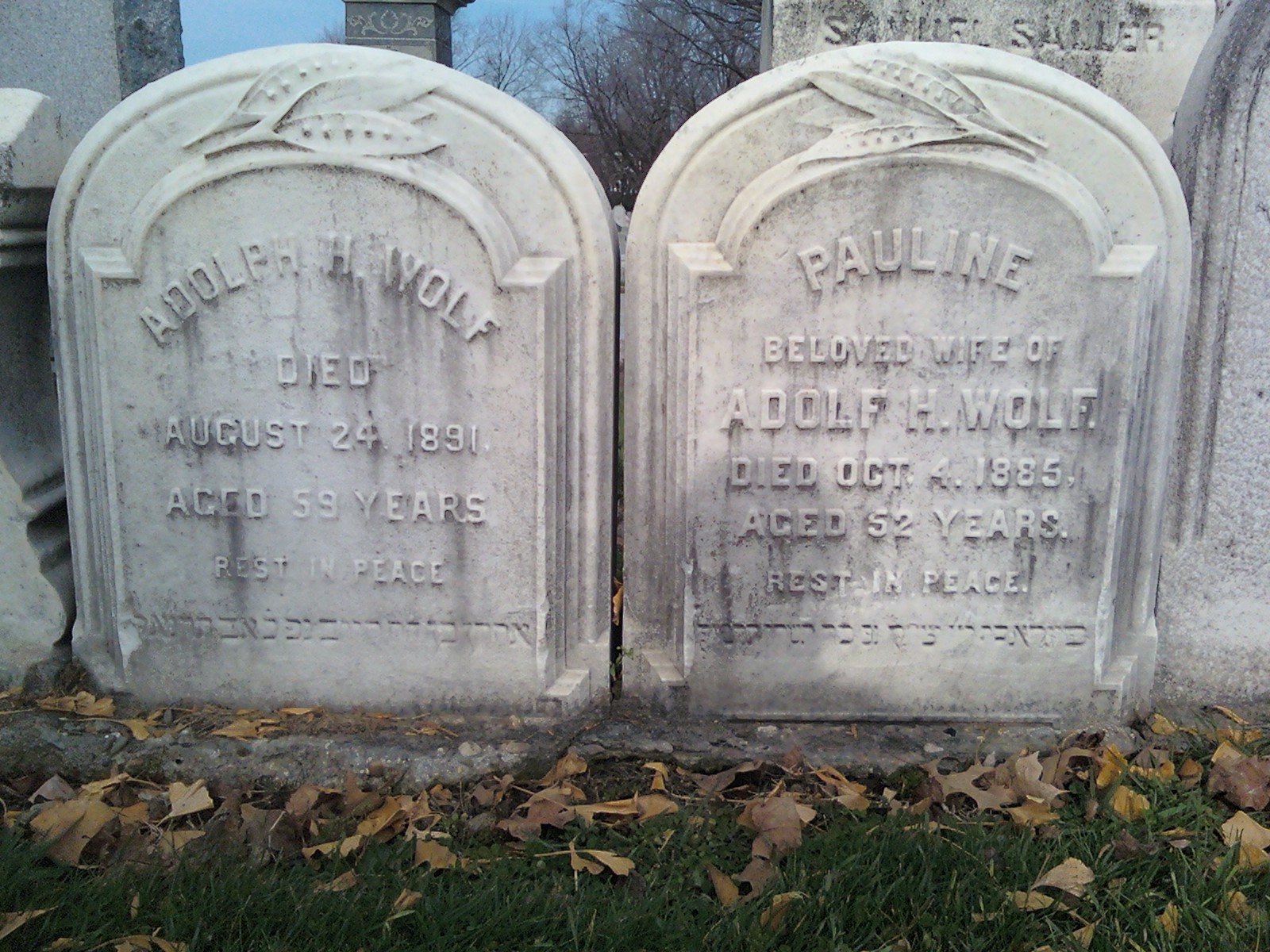
Amelia Levine's Parents - Adolph & Pauline Wolf

On my visit I found not only David and Amelia Levine, but also a host of other family members from the Wolf and Spitz lines of the family.  It was a tour of my family’s heritage and a lesson that immigrants can thrive in the United States, and contribute to our country. In fact immigrants who are working hard to survive are the very people who have made our country great.

Wednesday, March 1, 2017

Worship Around a Table

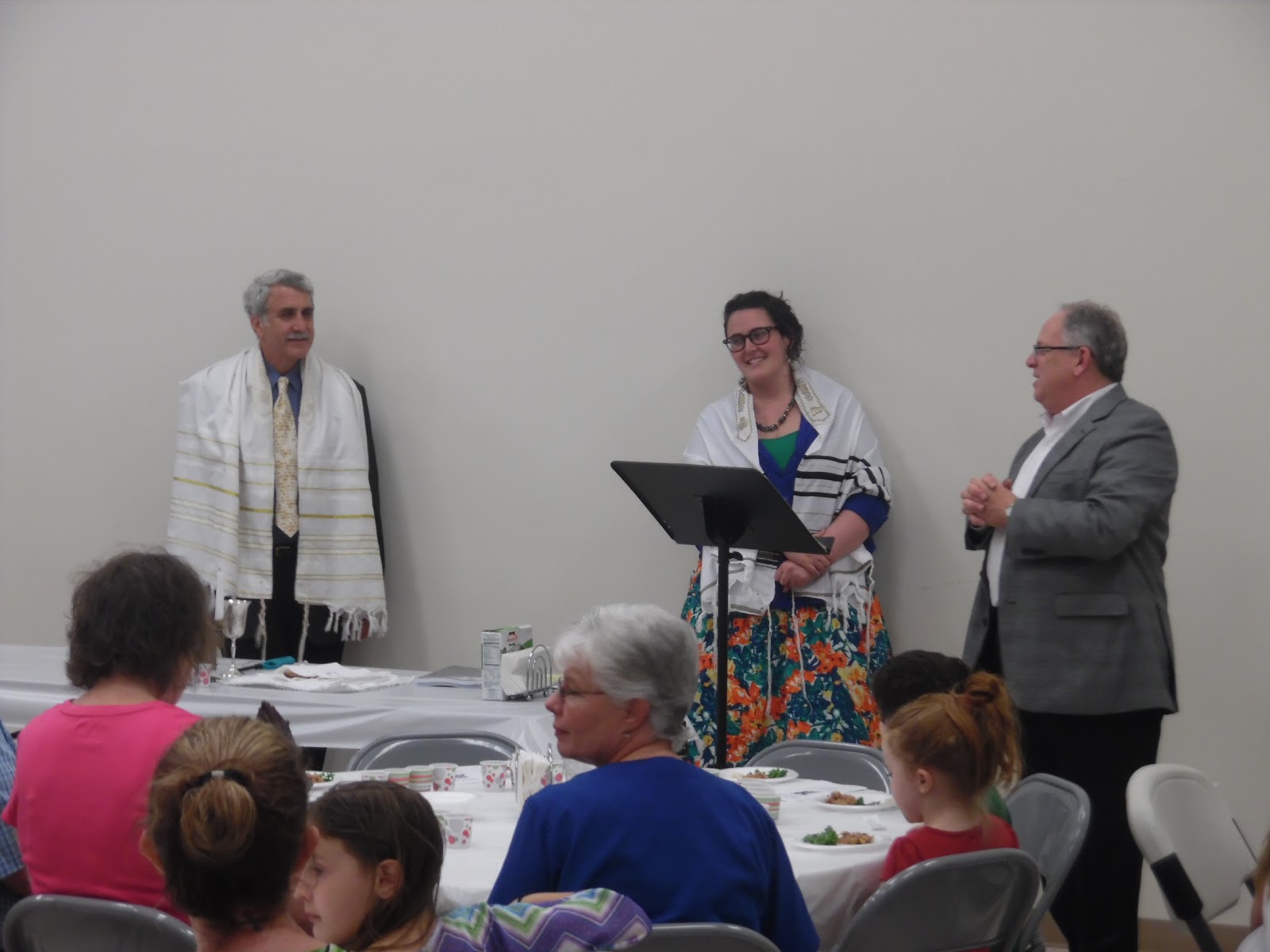
Not once, but at least twice in ministry I watched as people rejected the opportunity to worship around the dinner table. The first was in the Midwest as our church planned a Passover Seder for the entire congregation. On the day of our event only one-third of our normal attendance participated. The pastor asked several people, “Why?” The response was, “Because it is an Old Testament observance and we are a New Testament church.”
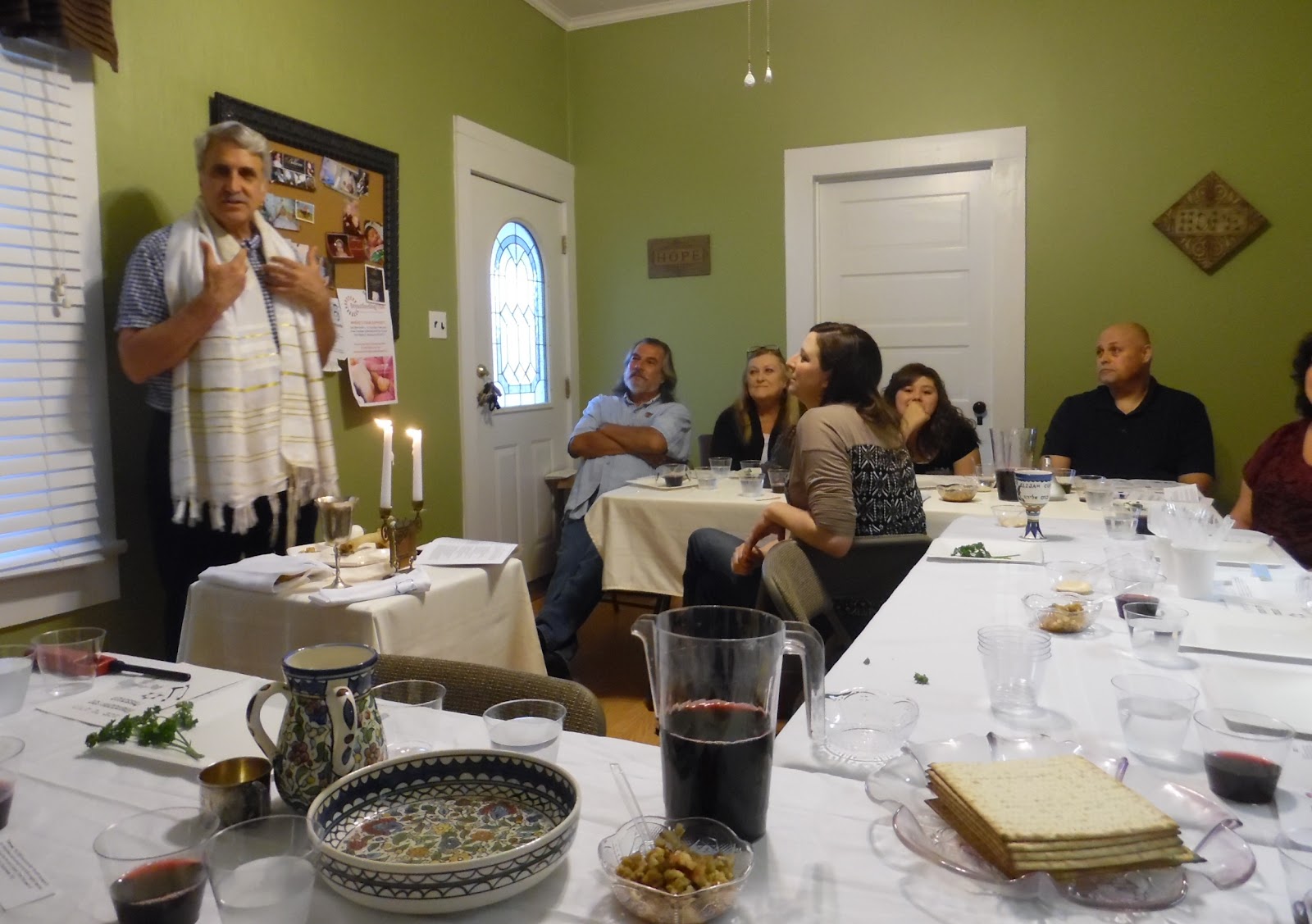
Church Seder in Lousiana
On the second occasion a man invited his five children and their families to celebrate the Passover with him in his home. Three of the children stayed home with their families because worship belongs in the church and not the home.
A small group Christian Passover
The people who were absent not only missed an opportunity, they were missing key components of the teachings of Jesus. These faithful Christians should have understood. The Last Supper of Jesus was a Passover meal which occurred in a home and not the church. And Jesus told his followers, “As often as you do this, do this in memory of me.” We are to continue to participate in the communion service around the dinner table.
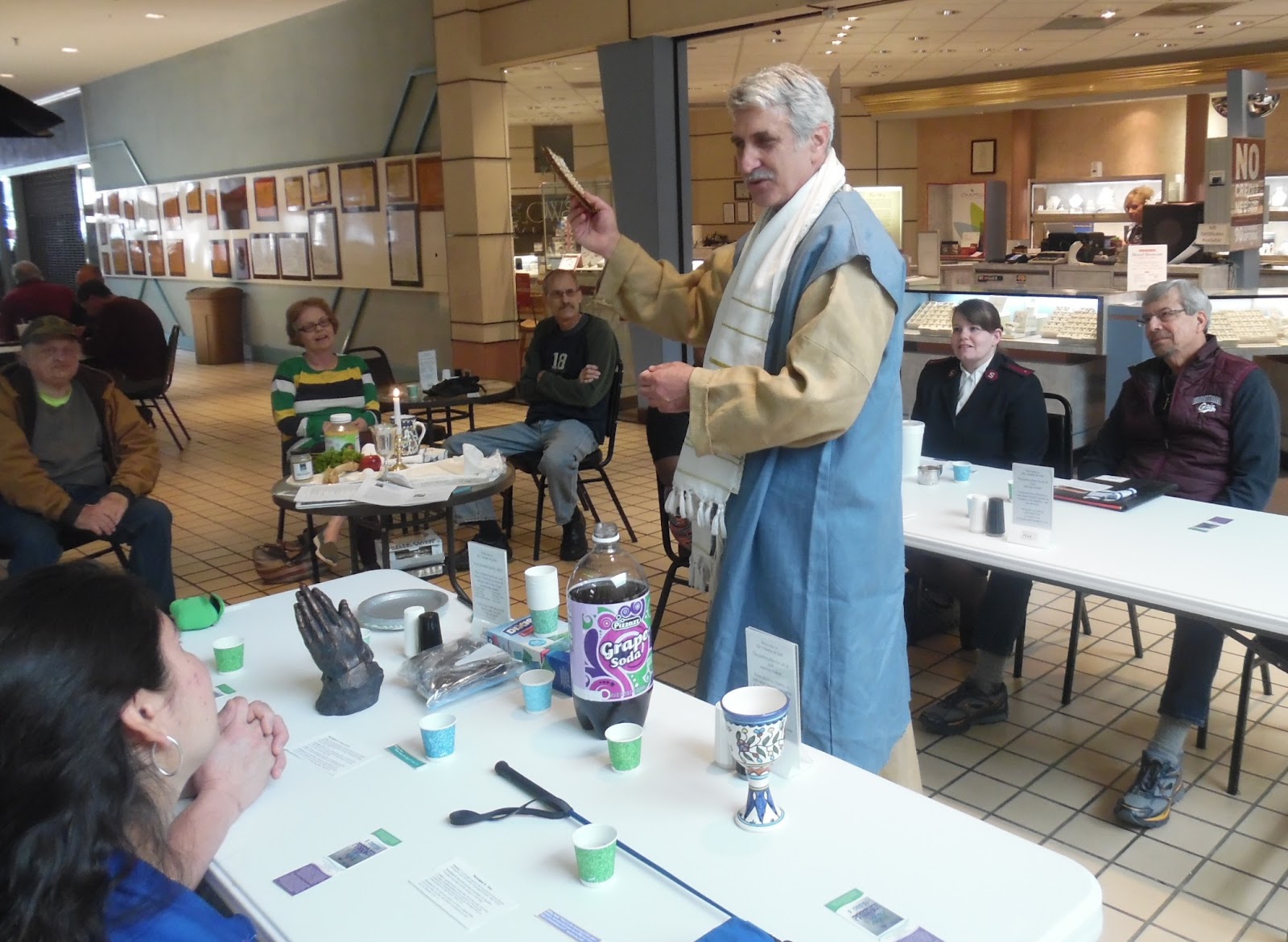
Celebrating Passover at the Shopping Mall
The early church understood this practice. The original disciples, 120 believers gathered after Jesus died in the upper room. After Pentecost Luke tells us, “They broke bread in their homes and ate together with glad and sincere hearts, praising God and enjoying the favor of all people. And the Lord added to their number daily those who were being saved.” (Acts 2:46-47)
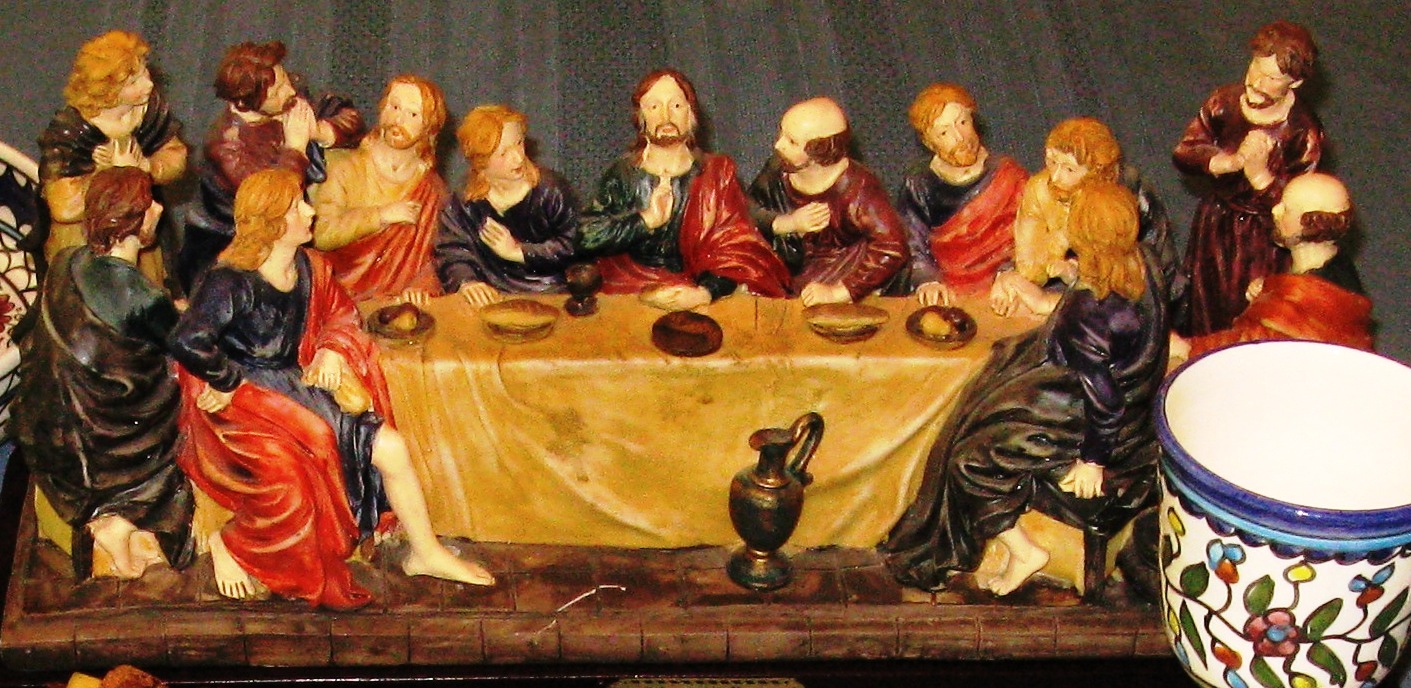
Re-enacting the Last Supper
Jesus taught by example, he continually met people for worship at meals. He ate with Levi, Zacchaeus, and Simon the Leper, The only miracle recorded in all four Gospels involves Jesus teaching and then feeding over 5,000 people.The Pharisees questioned Jesus about eating with tax collectors and sinners. Jesus answered them, “It is not the healthy who need a doctor, but the sick.” (Mt 9:10) Even after he died Jesus met to teach two men on the road to Emmaus and also the Disciples in the Upper Room and on the beach.
Emmaus in Israel
Jesus taught us to worship around the dinner table because the home provides the ideal environment. Many people set the tone for spiritual things by praying before meals. Diners are relaxed and put down their guard. Around a meal talking is normal and people will take time to listen.
The Last Supper of Jesus
Jesus actually learned this practice from the Old Testament and saw it rehearsed in his home regularly. The Jewish people have a Sabbath observance every week. A holy meal is part of the Feast of Tabernacles, Passover, Shavuot and Rosh Hashanah.
Communion and Passover together
Moses taught us to celebrate meals around the table. He said to talk about the law “when you sit at home and when you walk along the road, when you lie down and when you get up.” (Dt 6:6) He added, “when you eat and are satisfied, be careful that you do not forget the Lord.” (Dt 6:28) He wrote in Deuteronomy 12:7, “You and your families shall eat and shall rejoice in everything you have put your hand to, because the Lord your God has blessed you.” The family that prays and dines together stays together.
Ready for our family Passover Seder
The Passover meal is an ideal example of what an ornate supper can become when celebrated annually. The father (not the professional clergy) teaches his family the historic story of God’s mighty acts through an unforgettable method. Participants listen to, read aloud, act out, taste and see the story as it unfolds. Each person feels the movement from slavery to freedom. And every person who has participated in this festivity for several years can quote lines from the Seder.
Haggadah with explanations, a great resource for the leader
One section of the Seder shares the lesson on the four sons. This lesson originates out of four passages in the books of the law. The first son, the wise son asks the father to tell him the meaning of the stipulations, decrees and laws the Lord our God has commanded.” (Dt 6:20) He is rewarded with commendation because of his desire to learn. The wicked son asks, “What do these things in which you are engaged mean?” He is wicked because he does not desire to personally participate. The simple son asks a simple question and gets a simple answer. (Ex 13:14) The leader of the Seder meal then tells all the participants that we are to tell the story even when a question is not asked.
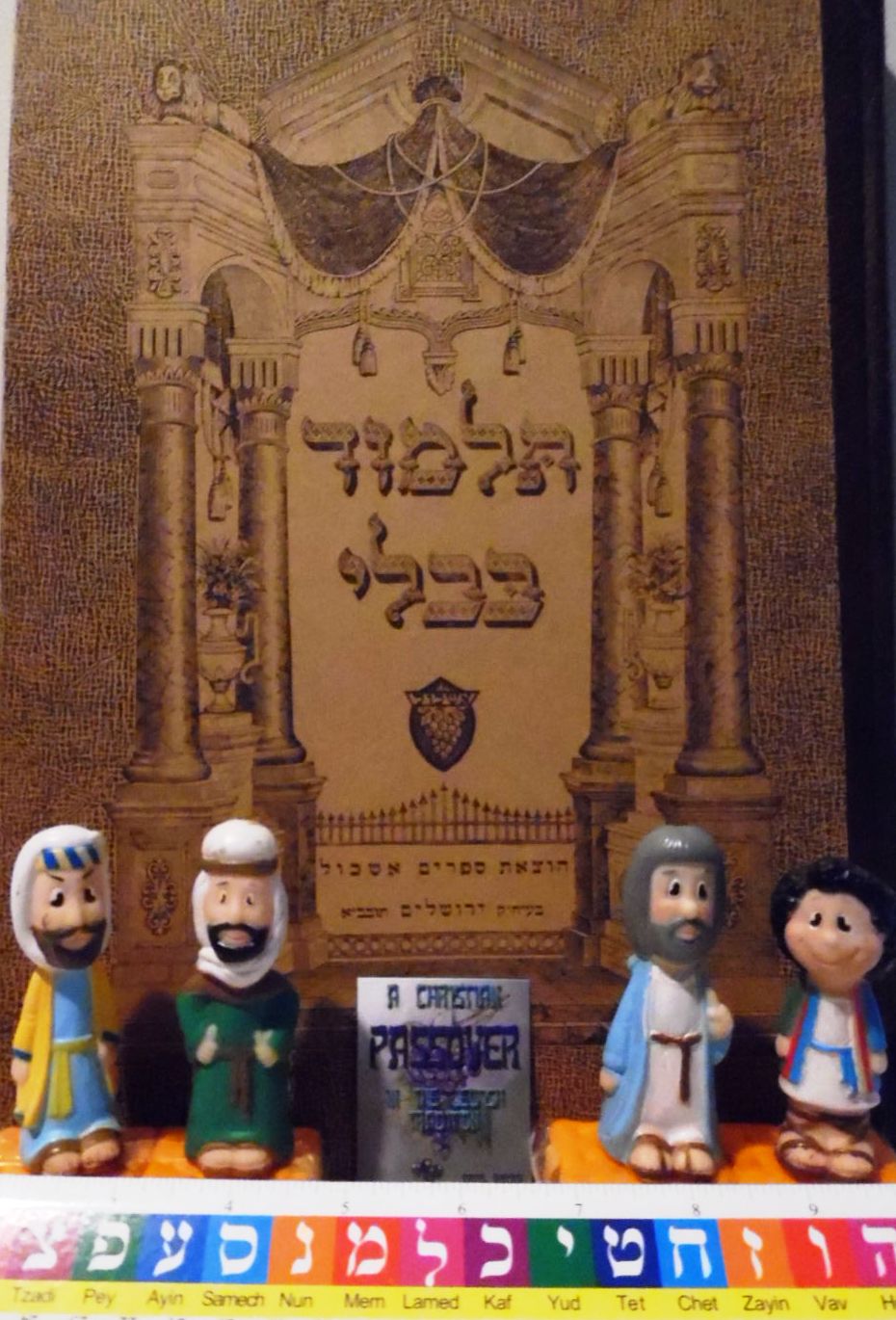

The Four Sons with their favorite Passover guides
We live in a generation when church attendance is decreasing, families are falling apart and crime is on the rise. Perhaps the reason for this plight is that we do not honor the age old command of the Lord to spend time in our homes teaching of His love. This includes weekly meals on the Sabbath, meals on special occasions, and telling of God’s love at home as often as we can.
Spring shares Passovers throughout the Bible - a great read!
The Passover is but one example of a meal. I try to share this idea every time I lead a church in a Seder Service. If you would like to host a Passover or have a speaker talk about building the spiritual faith of the family around the meal, please contact me. If you would like to lead a Passover yourself there are some excellent resources available including A Christian Passover in the Jewish Tradition.